
The story of Aszód Synagogue
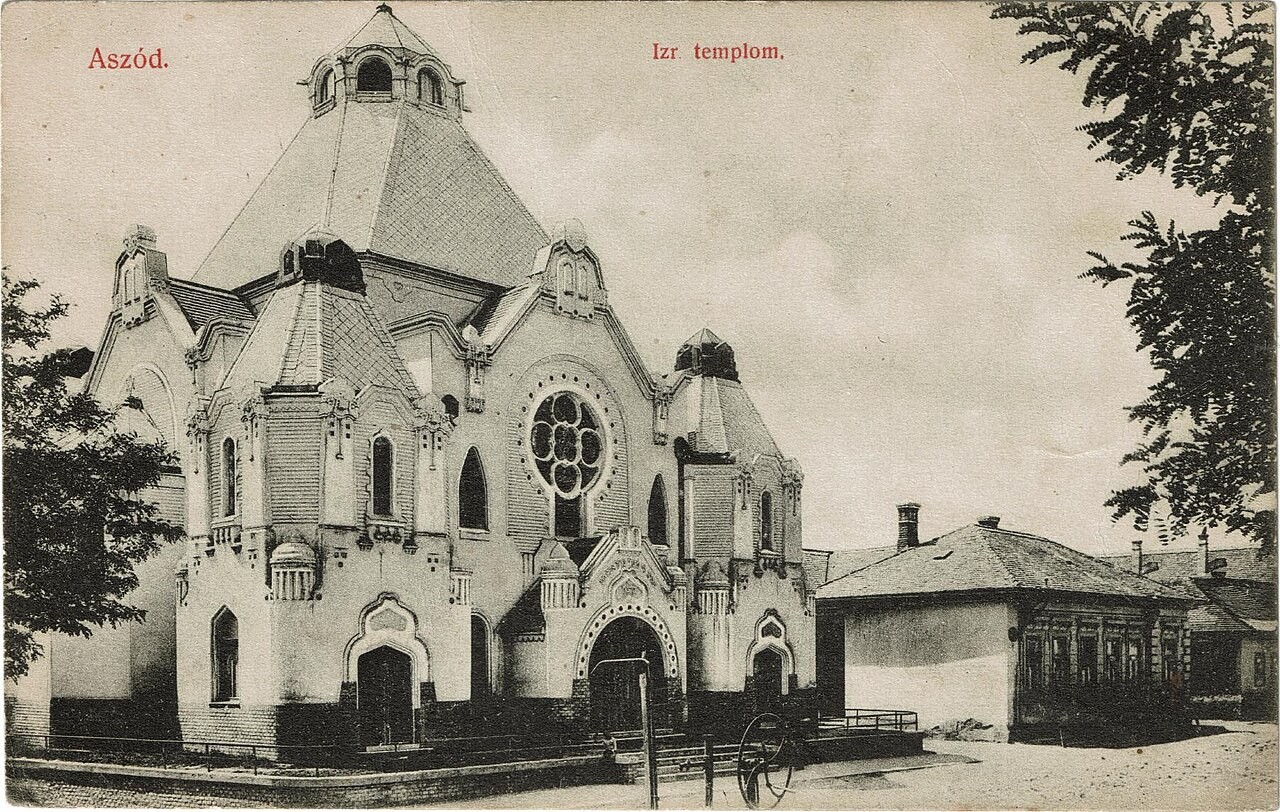
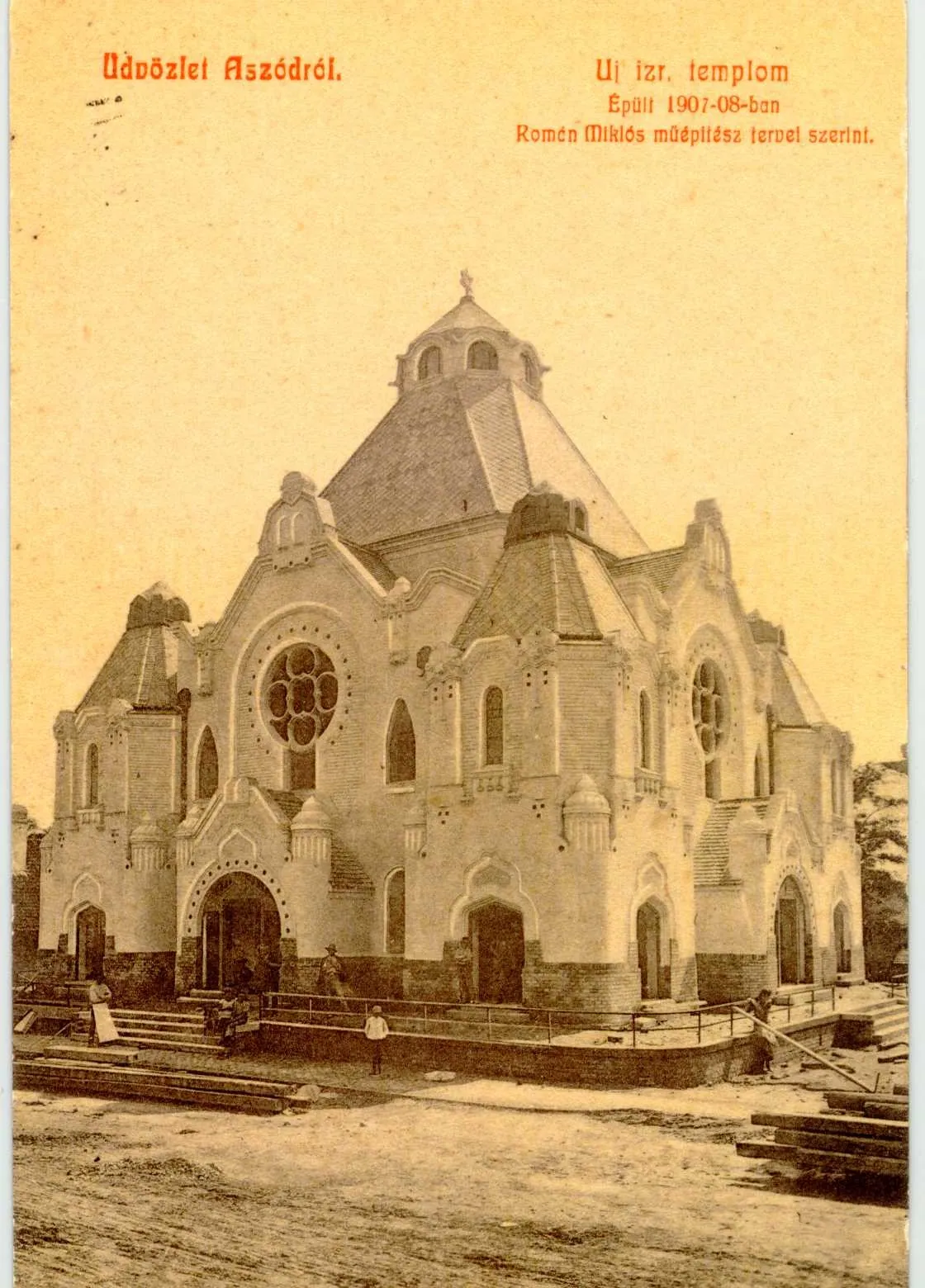
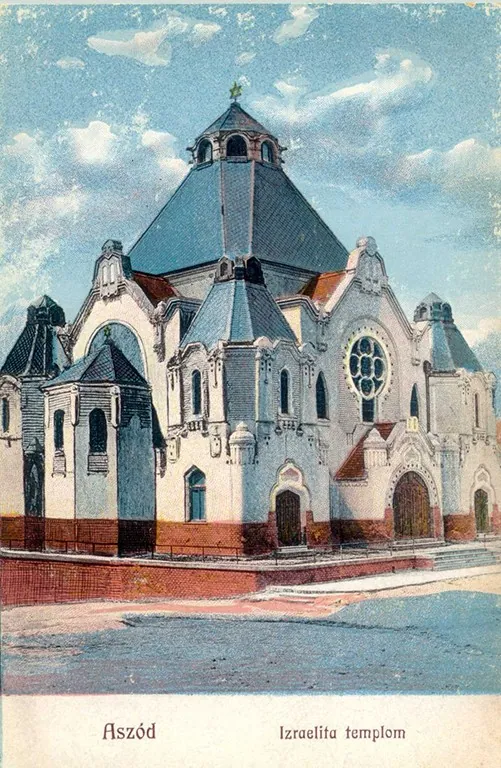
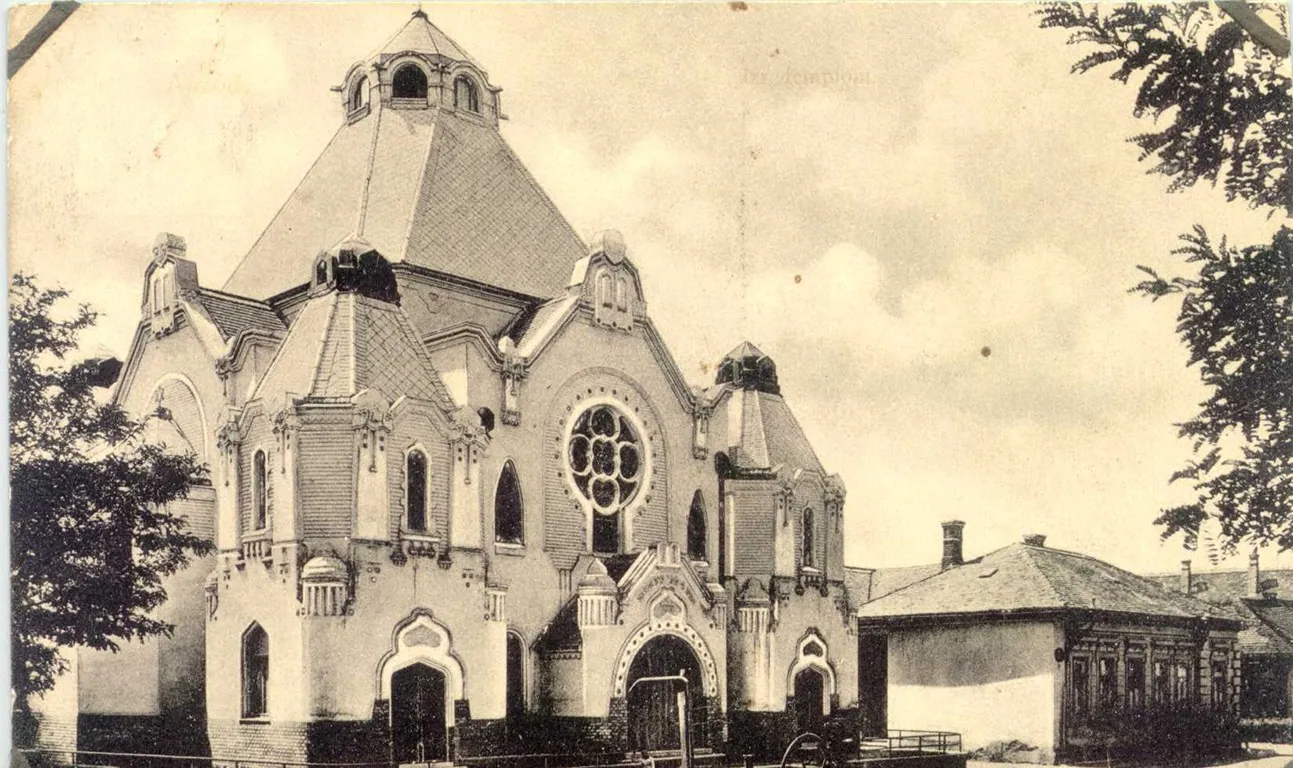
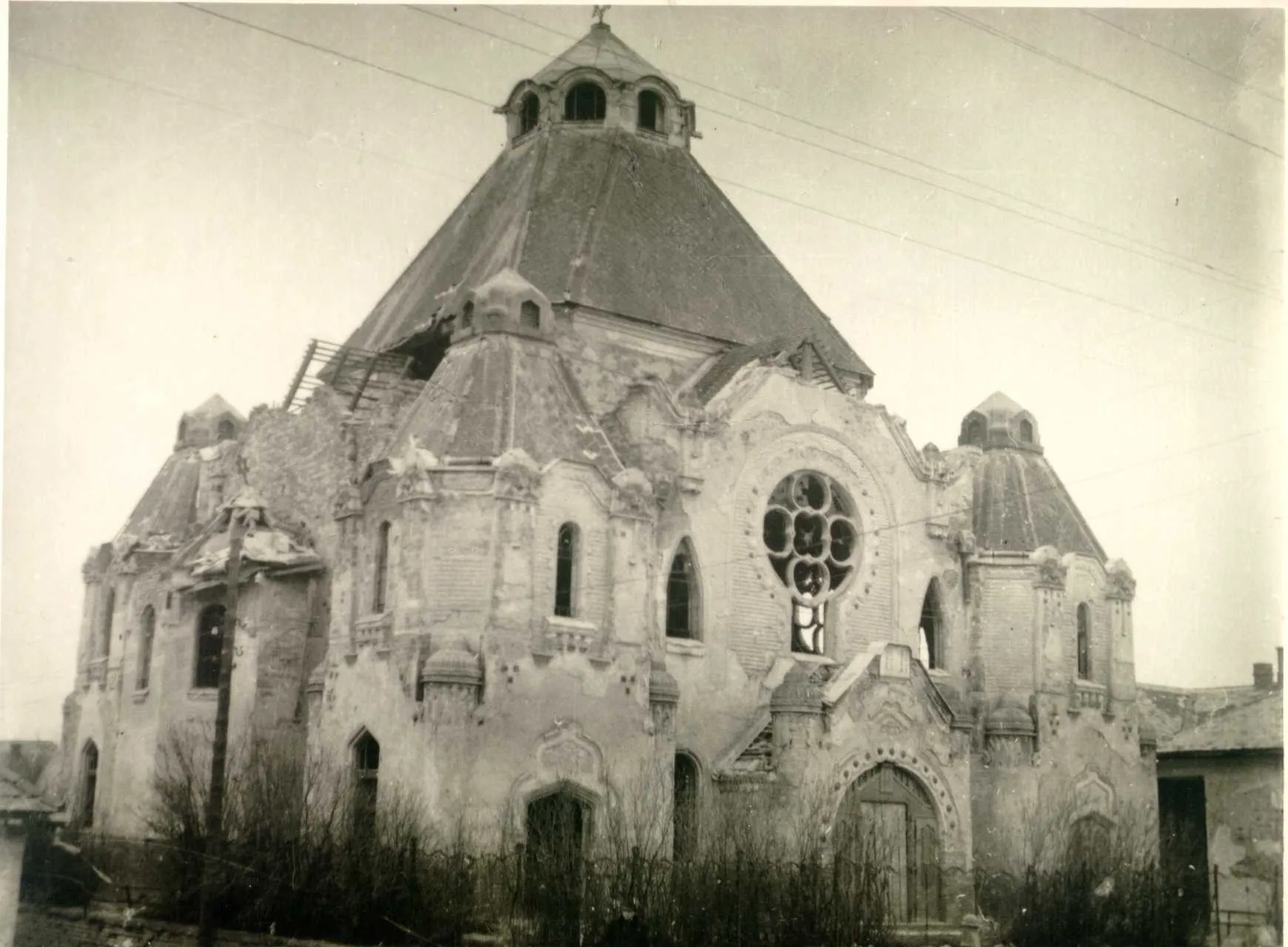
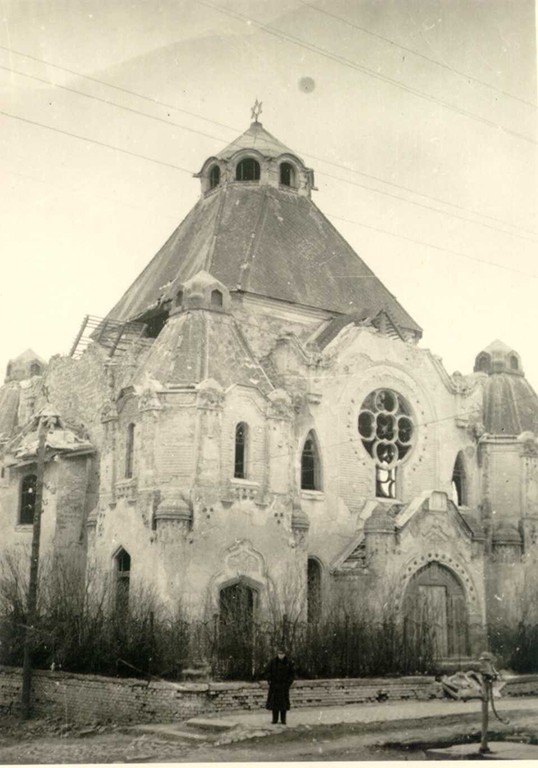
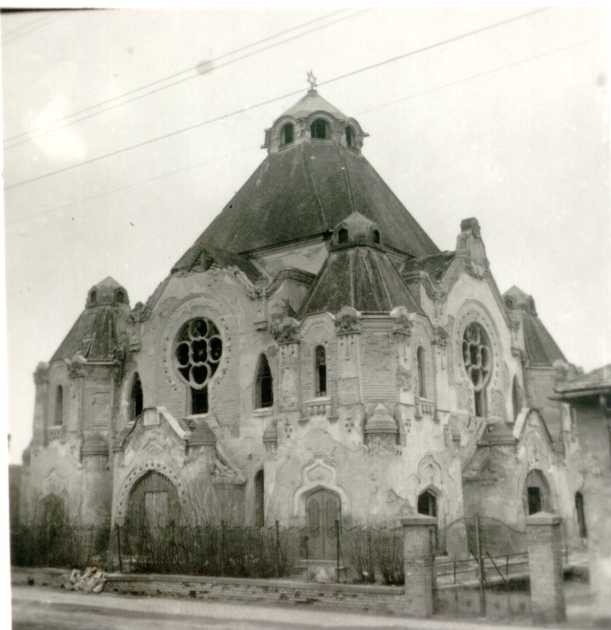
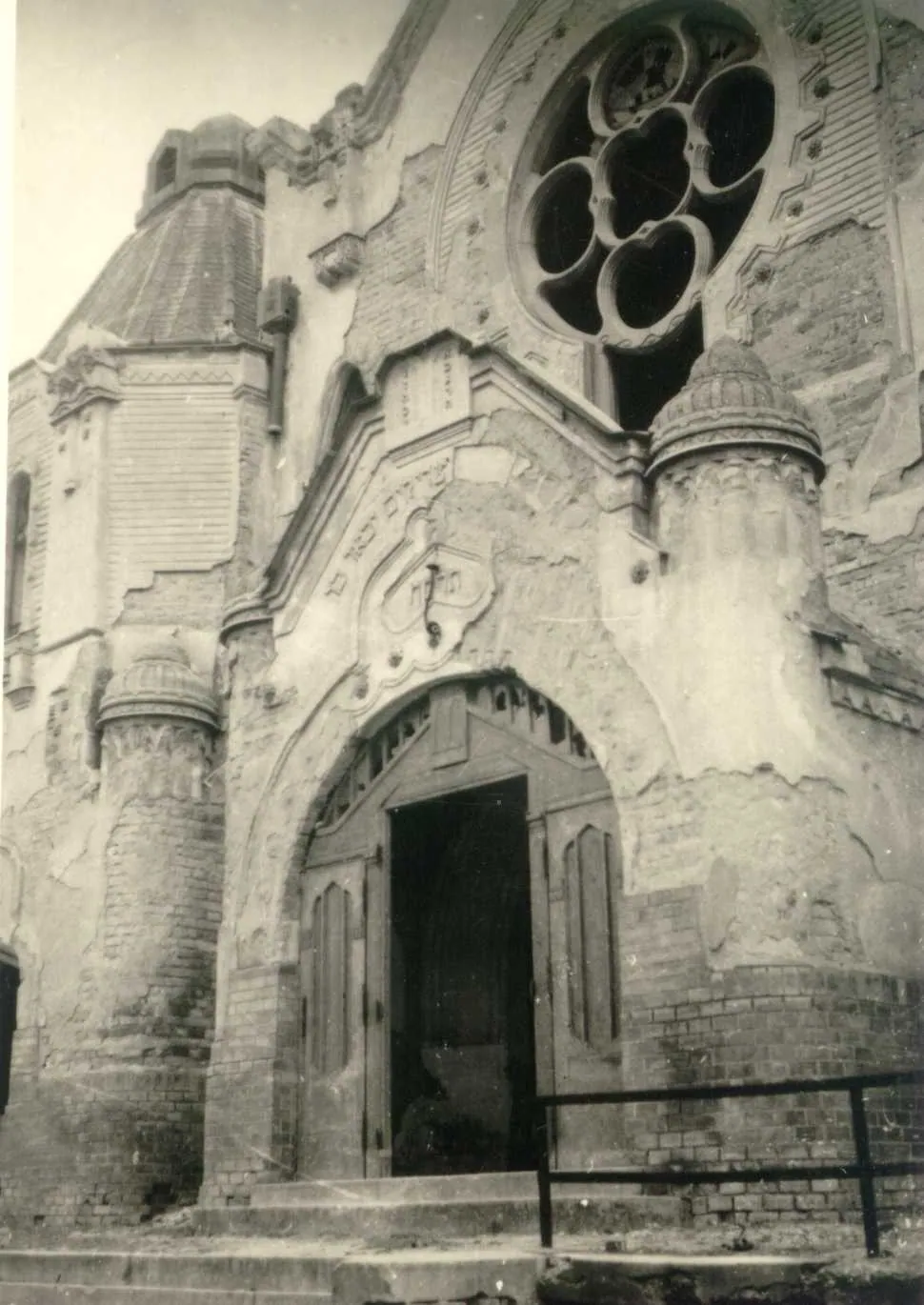
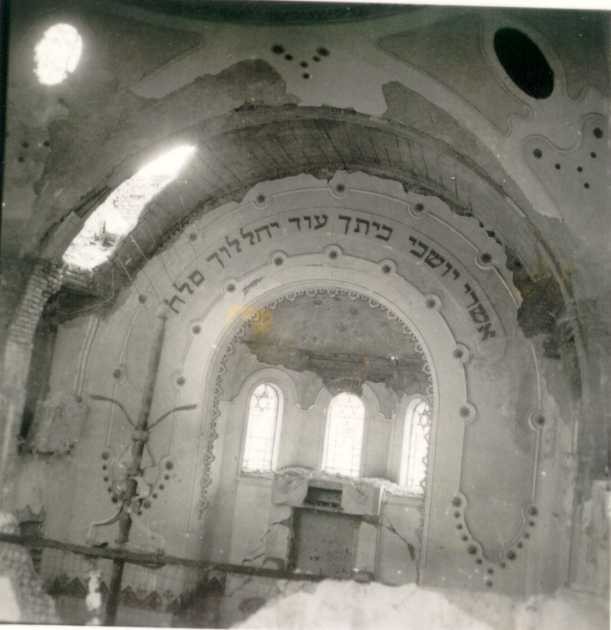
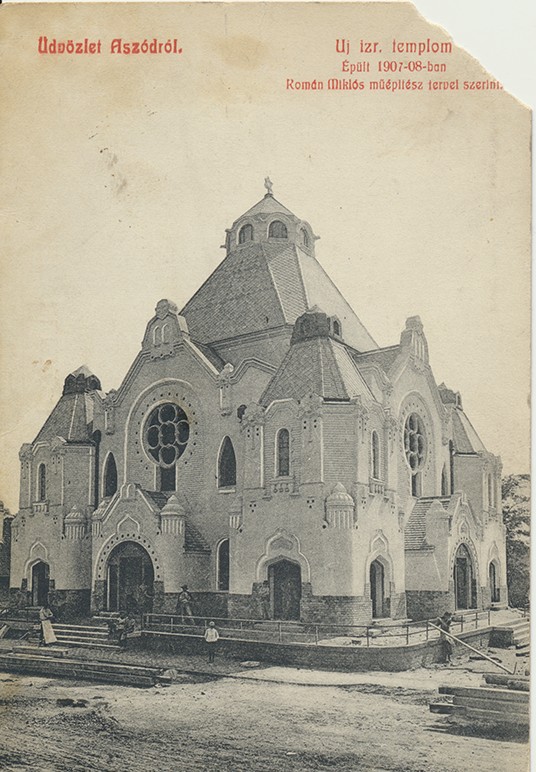
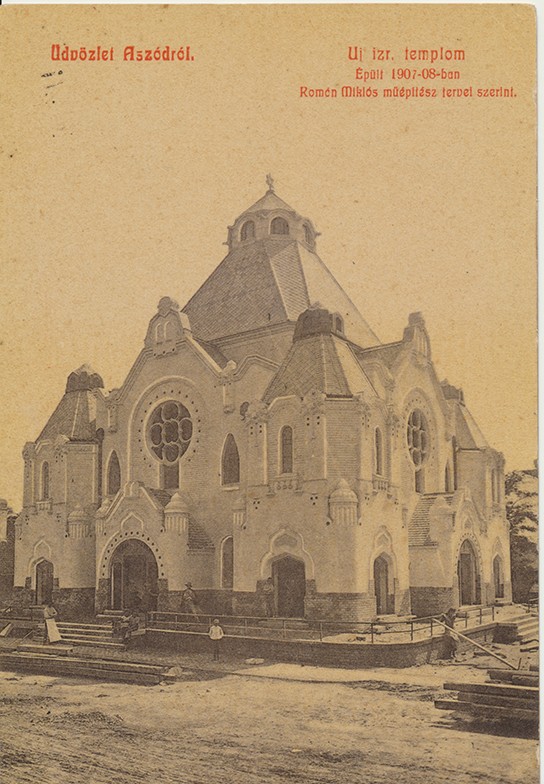
Aszód, a small market town in the Galga valley north-east of Budapest, had a long-established Jewish community, and by 1840 almost a quarter of its inhabitants were Jews. In 1907–08 the Neolog congregation replaced its eighteenth-century synagogue with a new one on Petőfi Street, the former Zsidó utca (Jewish Street), where the rabbi's house also stood. The design came from Miklós Román, a young Budapest architect whose mother's family was from Aszód, and the building was paid for by the members themselves. It was inaugurated on 16 September 1908. Postcards printed at the time show a compact, centrally planned building under a steep pyramidal roof crowned by a lantern, ringed by turrets, curved gables and large rose windows, in the folk-inspired Hungarian Secession manner. For thirty-six years it was the religious centre for the Jews of Aszód and a ring of surrounding villages. In 1944 a ghetto was set up around it, and in July the community was deported; most were murdered at Auschwitz. The building was damaged in the war and left derelict, and photographs taken after 1945 show its roof broken and its interior stripped. The Communists demolished it in 1950. Photographs and postcards in the Hungarian Jewish Museum and Archives are its principal record.
Where it stood for 42 years
Historic: Zsidó utca (Jewish Street), later Petőfi utca 15, Aszód. Today: Petőfi Sándor utca, Aszód, Pest County, Hungary (exact plot not identified).
Open larger map →The Jewish community
Jews, mostly from Moravia, settled in Aszód in the early eighteenth century under the protection of the Podmaniczky family, the local landowners. The Magyar Zsidó Lexikon traces the community to about 1700; a census of 1728 lists six Jewish heads of household. The burial society was reorganised in 1747 and the first synagogue was built in 1757. In 1840 there were 530 Jews, about 24 per cent of the town, though numbers later fell as families moved to the cities. The community opened a school in 1845, teaching in Hungarian from the start, and after the 1868–69 congress it joined the Neolog (Congress) organisation while declaring in its statutes that it stood on the Shulchan Arukh. It was the registry centre for the Jews of the neighbouring villages, among them Bag, Domony, Kartal, Tura and Verseg. In 1929 it numbered 311 people in 86 families, mostly merchants and craftsmen, and maintained a women's society, a girls' society, a Talmud Torah and a cultural association.
Architecture and design
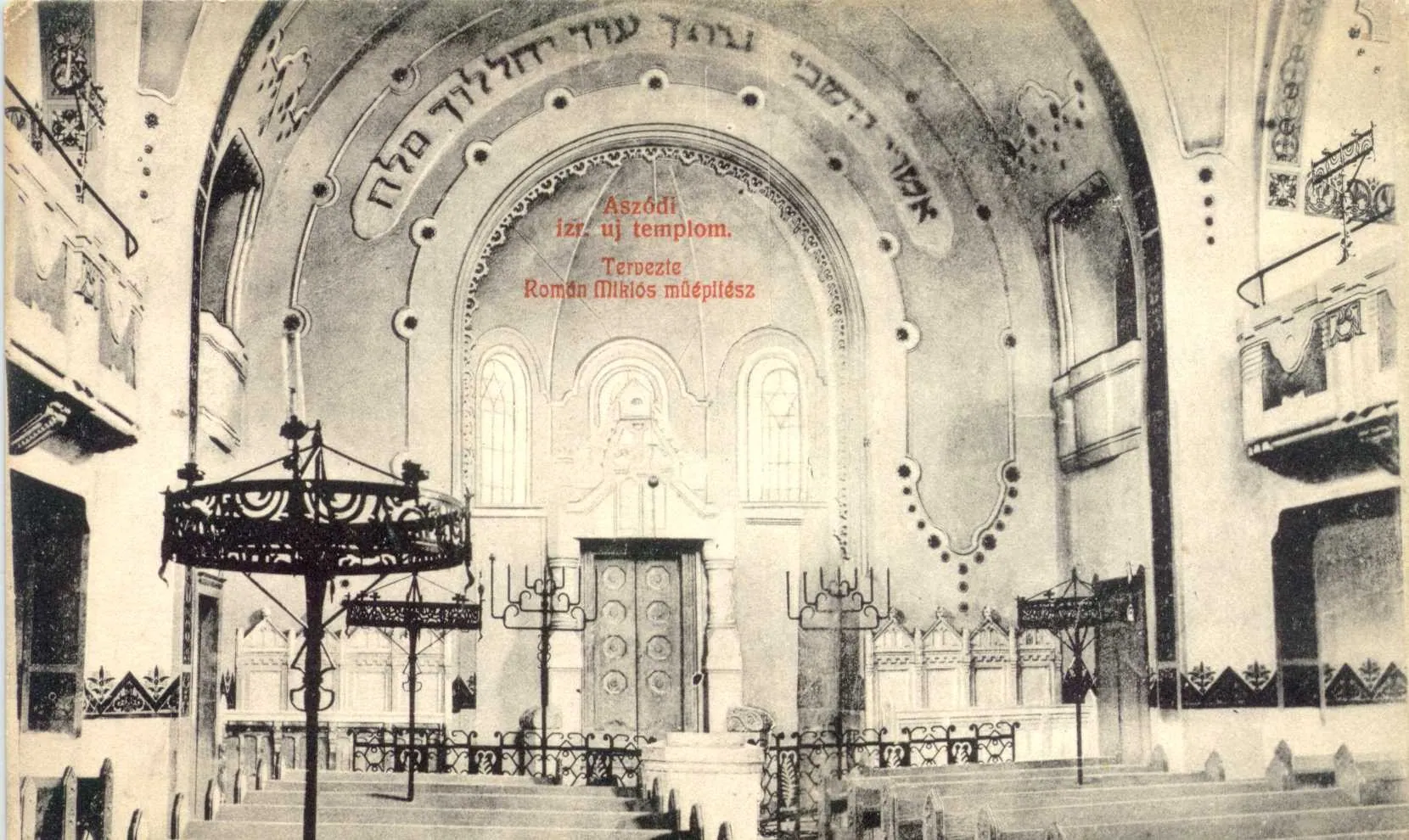
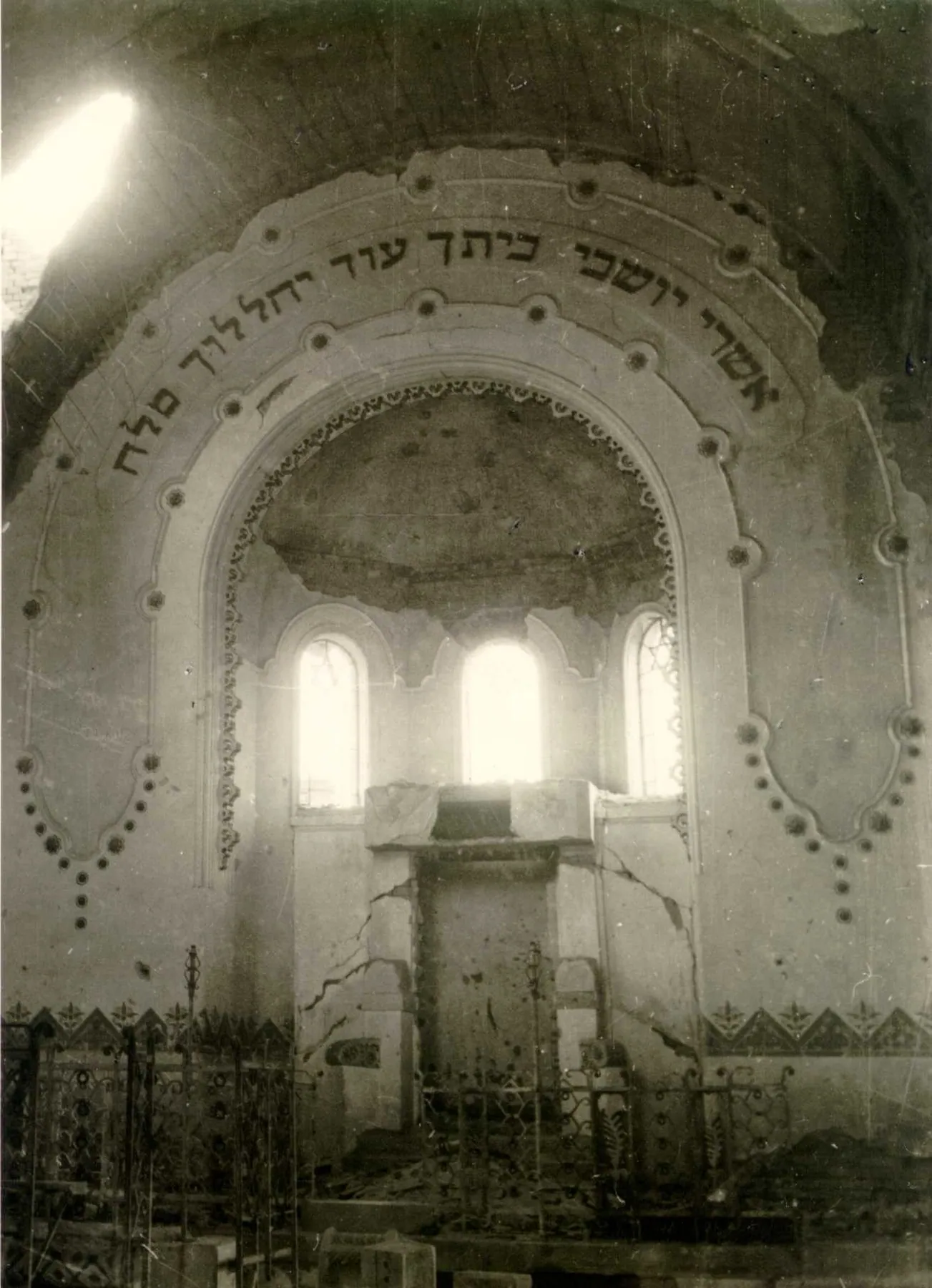
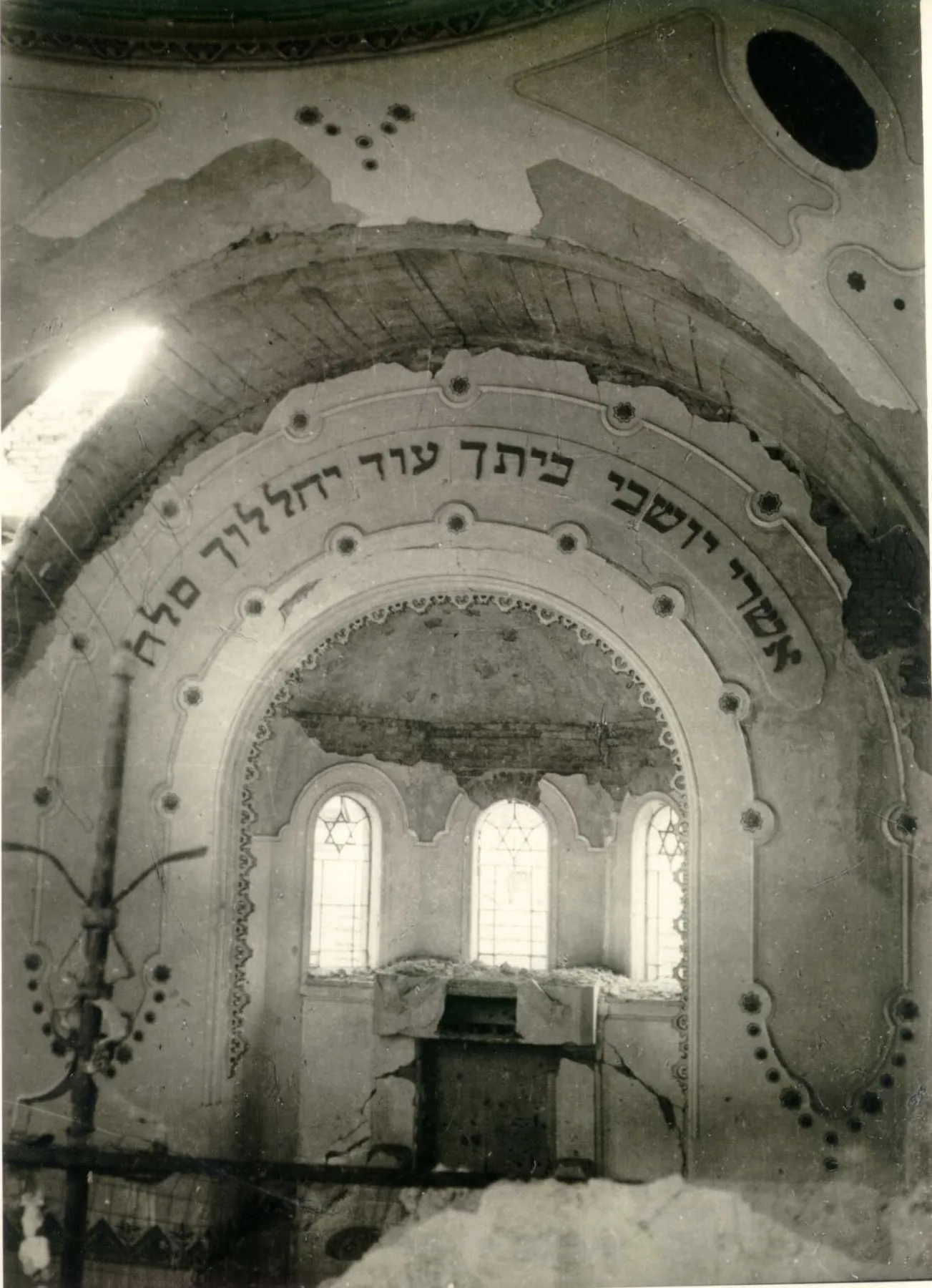
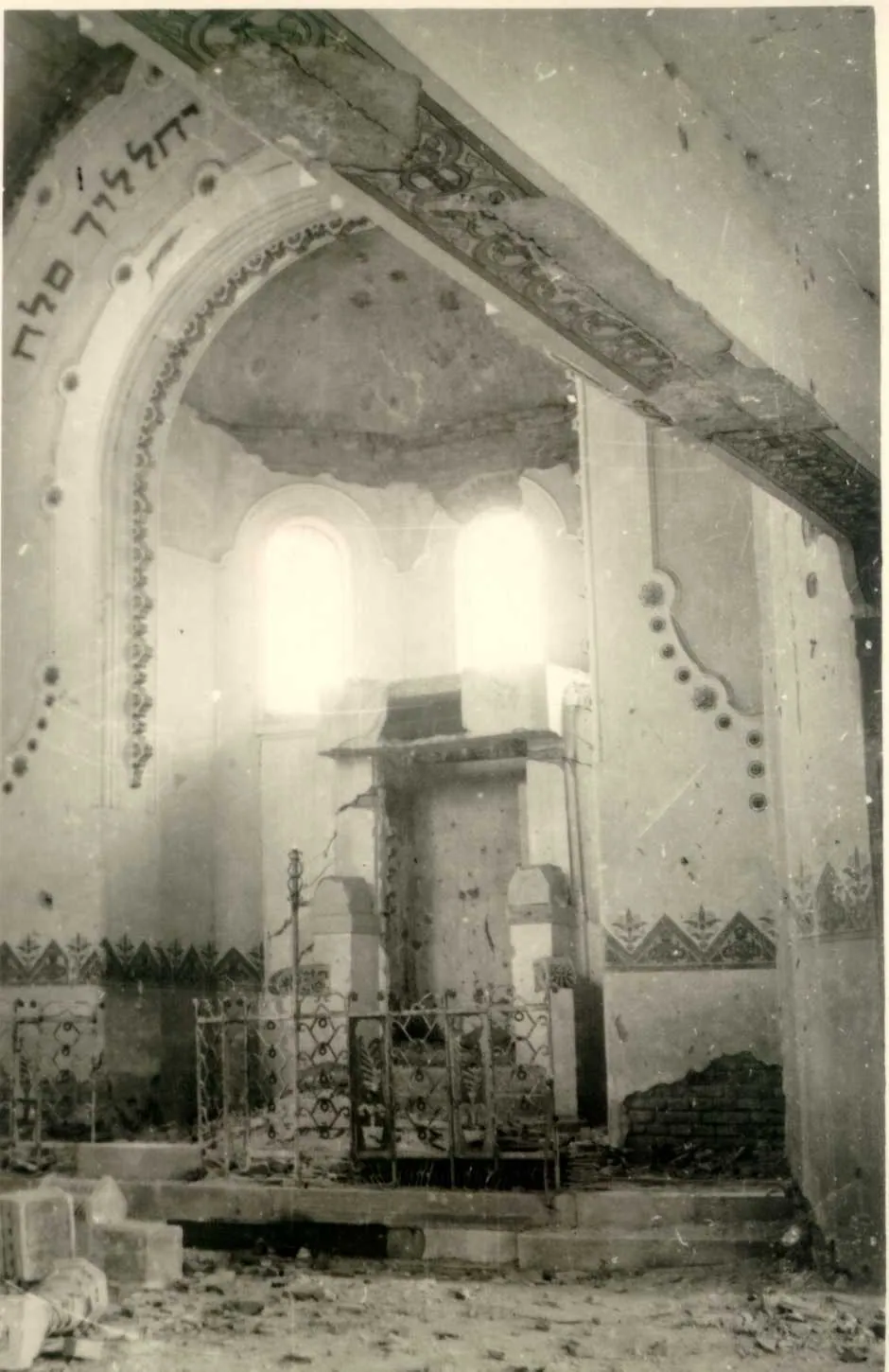
Miklós Román won the commission in a design competition of 1907–08, early in a career shaped by the office of Béla Lajta. Contemporary postcards show a centrally planned building on a corner plot, raised on a darker base course. A tall, steep pyramidal roof rose over the prayer hall and ended in an arcaded lantern topped by a Star of David. Lower polygonal turrets with capped roofs stood at the corners, and each street front carried a curved gable pierced by a large rose window with lobed tracery above an ogee-arched portal. Anikó Gazda's survey of Hungarian synagogues singles out its combination of rusticated stone and plaster, its forceful dome and its towers as giving it a unique place in the country's architecture. Inside, a great arch painted with the Hebrew verse of Psalm 84:5 framed an apse with three round-headed windows and the Ark; a raised platform with wrought-iron railings and tall iron lamp stands stood before it, and galleries overlooked the hall from the sides. Its seating capacity is not recorded in the sources found.
Life inside the synagogue
The synagogue was inaugurated on 16 September 1908, during the long tenure of Rabbi József Schreiber, who led the community for some forty years and is buried in the Aszód Jewish cemetery. The Magyar Zsidó Lexikon records that the cost was met by the generosity of the members, and lists larger gifts from Mrs Samu Glück of Marosváralja, the county chief physician Adolf Gál, Baron Lajos Schossberger, the brick manufacturer Mór Vas, the local savings bank, the burial society and the women's association; a Roman Catholic widow is also said to have contributed. A tablet inside the synagogue named the community's fallen of the First World War. Schreiber was followed by Chief Rabbi Jakab Steiner, who in 1930 signed a circular proposing a modern yeshiva to be attended alongside the gymnasium, and from 1935 by Dr József Berg. The congregation followed the Neolog rite but remained conservative in spirit. During the Second World War Aszód was a major call-up centre for Jewish men conscripted for forced labour service.
Destruction
The Communists demolished the synagogue in 1950. According to the director of the Petőfi Museum in Aszód, the demolition was carried out under a resolution of the local tanács, the council through which the Communist regime governed the town. The building had stood empty since the deportation of its congregation in July 1944. Aszód was fought over for several days in December 1944, and one account says the synagogue was hit by a bomb; another says soldiers of the Red Army desecrated the interior. Photographs taken after 1945 and kept in the Hungarian Jewish Museum and Archives show part of the roof torn open, plaster fallen from the walls and the Ark stripped, though the walls, turrets and rose windows were still standing in about 1948–50. Only a handful of survivors had returned to the town. The First World War memorial tablet from the synagogue was later found smashed in a cesspit. Other sources date the demolition to 1954 or to about 1960.
The community’s fate
The census of 1941 counted 278 Jews in Aszód, 4.9 per cent of the population, and 19 converts classed as Jews under the racial laws; in 1944 the community numbered about 230, led by the lawyer Adolf Glück. After Nazi Germany occupied Hungary on 19 March 1944 the Jews were confined in a ghetto set up around the synagogue. On 12 July 1944 they were taken to the railway station and deported, by one account via Hatvan and by another via the assembly point at Rákoscsaba, together with the Jews of Bag, Domony, Galgagyörk, Galgahévíz, Galgamácsa, Hévízgyörk, Kartal, Tura and Verseg. Most were murdered at Auschwitz; about two hundred Jews of Aszód died. Only 21 returned, two from the camps and 19 from labour service. There were 32 Jews in the town in 1949, and all had left by 1956. Part of the cemetery was expropriated for a school in 1976–77, when 265 graves were exhumed.
The site today
Nothing of the synagogue survives. It stood on Petőfi Sándor utca in the old centre of Aszód, a street formerly called Zsidó utca, where the rabbi's house also stood and around which the town's Jews lived; one survey gives the address as Petőfi utca 15. What occupies the plot today is not recorded in the sources found. The broken First World War tablet from the synagogue is kept in the Petőfi Museum in Aszód. The Jewish cemetery on the hillside survives, with the Schossberger–Deutsch mausoleum designed by Lipót Baumhorn in 1913; it was restored in 1990–96 on the museum's initiative, and a memorial there names the town's Holocaust victims.
Notable names
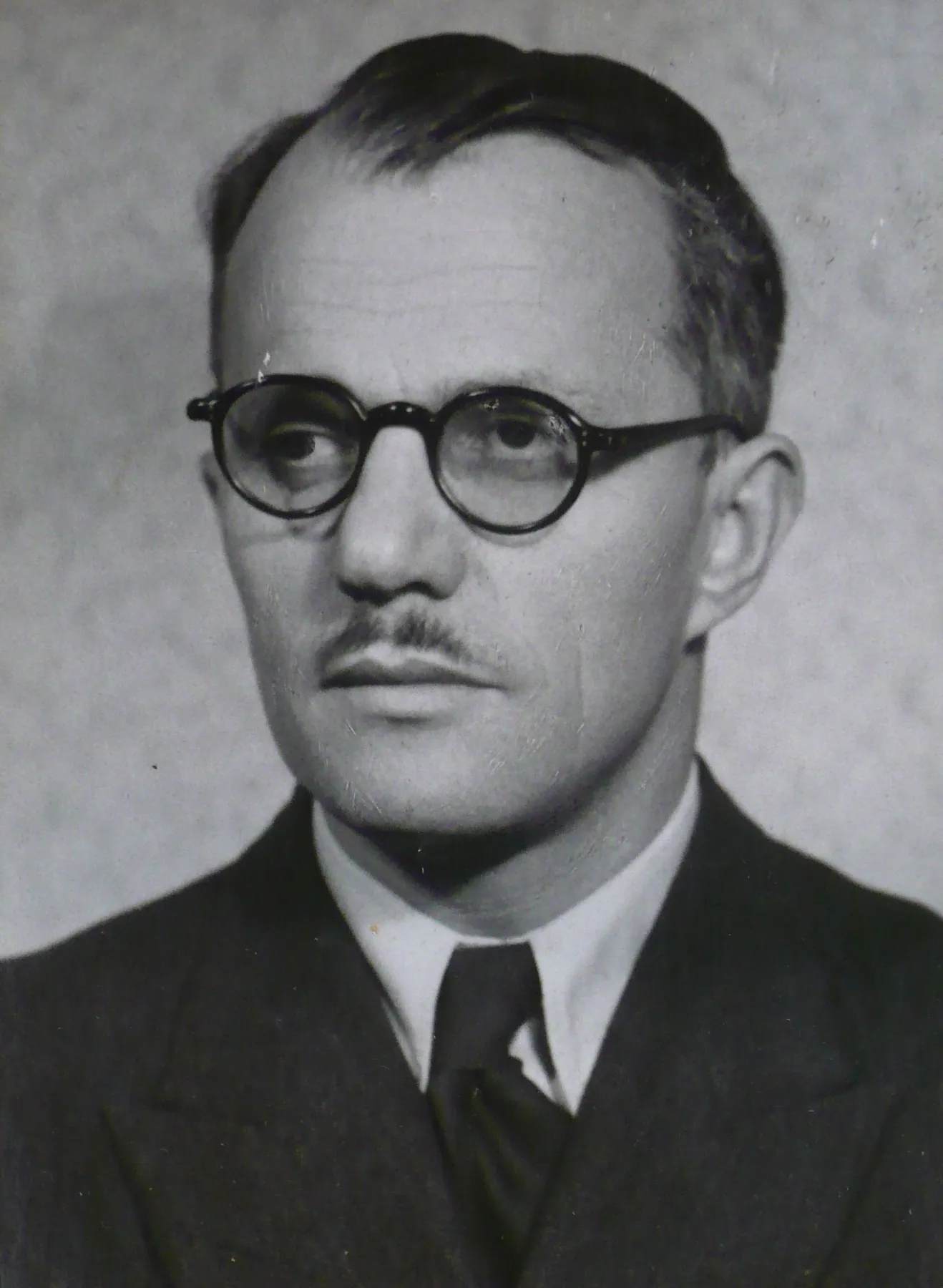
József Berg
1904–1983Rabbi of Aszód, 1935–1943Dr József Berg was the last rabbi to serve in the Aszód Synagogue, holding office from 1935; the Encyclopaedia Judaica names him as the community's spiritual leader on the eve of the 1944 deportation. He survived the war and was chief rabbi of Kispest from 1945 to 1951. His portrait comes from the tableau of the 1950 national assembly of Hungarian Jewry.
Biography or source →Miklós Román
1879–1945ArchitectThe Budapest architect Miklós Román (born Rennberger) designed the Aszód Synagogue, built in 1907–08. He is said to have won the design competition through his mother's Aszód origins. A graduate of the Budapest Technical University who had worked in Béla Lajta's office, he gave the building its Hungarian Secession character; it was an early work, designed before he was thirty.
Biography or source →József Schreiber
1848–1918Rabbi of AszódJózsef (Joseph Judah) Schreiber was rabbi of Aszód when the new synagogue was built and inaugurated in September 1908. The Magyar Zsidó Lexikon credits him with leading the community's religious life for forty years. He is buried with his wife Johanna Stein in the upper part of the Aszód Jewish cemetery, where their tall rounded gravestones still stand.
Biography or source →Jakab Steiner
UnknownChief Rabbi of Aszód, c. 1920–before 1935Jakab Steiner succeeded Schreiber and is named as chief rabbi in the Magyar Zsidó Lexikon of 1929. He served in the synagogue through the 1920s and early 1930s, and in 1930 signed, with the community's lay leaders, a printed circular proposing a modern yeshiva in Aszód that pupils could attend alongside the gymnasium.
Biography or source →Adolf Glück
UnknownLawyer; lay leader of the communityDr Adolf Glück, a lawyer, sat on the Jewish school board in 1929 and signed the community's 1930 yeshiva circular as vice-president alongside Chief Rabbi Steiner. The Encyclopaedia Judaica names him as the leader of Aszód's roughly 230 Jews in 1944, when the congregation of the synagogue was confined to the ghetto and deported.
Biography or source →Do you have something to contribute?
Photographs, documents, family stories or memories of this synagogue and its community help keep its history alive.
- Aszód (entry, p. 66)
- Aszód
- Mállott kövek árnyéka (interview with Tamás Asztalos, director of the Petőfi Museum, Aszód)
- Az aszódi zsidók nyomában
- Zsinagógák és zsidó községek Magyarországon: térképek, rajzok, adatok
- Történelmünk (Our history)
- Utcanevek (Street names)
- Ünnepek, évfordulók (Anniversaries)
- Aszódi zsinagóga (postcards and photographs, items 25903–25914)
- Román Miklós
- Neológ (kongresszusi) és status quo ante rabbik Magyarországon 1869-től napjainkig
- Az Aszódi Izraelita Hitközség körlevele jesíva alapításáról (1930)
- Berg József, Dr. portréja (1950)
- Aszód
- File:Aszód Synagogue.jpg
- Petőfi Sándor utca, Aszód (OSM way 73811171)
Share a memory or thought
No comments yet. Be the first to add one.