

Die Geschichte von Buda Synagogue on Öntőház Street, Budapest
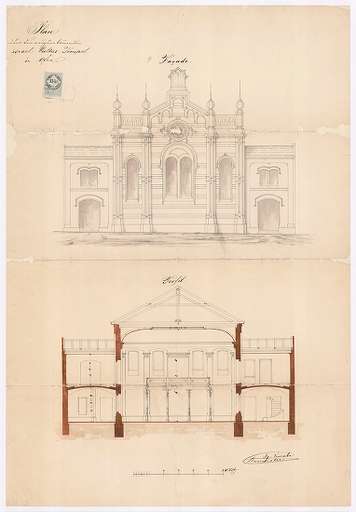
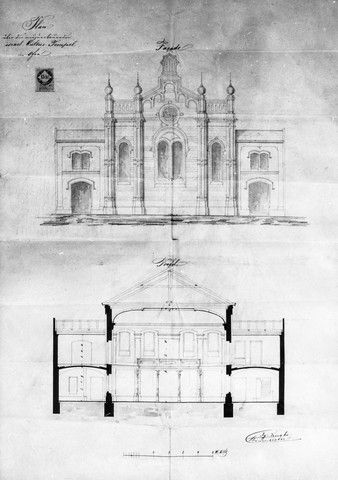
For eighty years the synagogue in Öntőház utca was the principal house of worship of the Jews of Buda. Jews were allowed to settle again on the Buda side of the Danube from 1783, and in 1812 the congregation put up its first purpose-built synagogue on this plot at the foot of Castle Hill. In 1865 the Buda master builder Ignác Knabe drew up plans for a larger two-storey temple in the Moorish manner, and the new building was handed over in 1866. Its gabled front with four small onion domes echoed Ludwig Förster's Dohány utca synagogue across the river. In the early twentieth century the Council of Public Works expropriated the building for the regulation of the hillside and gave the community a plot on Krisztina körút, where a monumental new synagogue was the subject of a 1912 competition but was never built; the congregation stayed on as tenant and recovered the property under an agreement of the 1920s. Arnold Kiss, chief rabbi of Buda from 1901 to 1940, preached here, and in 1906 the building hosted the first Shavuot confirmation ceremony for girls held in Budapest. A fire gutted the interior in 1942, the siege of 1944–45 left the building a ruin, and the remains were cleared after the war.
Where it stood for nearly 80 years
Historic: Öntőház utca 5–7 (lot 14372), Víziváros, Buda (listed under district II before the 1930s, later district I). Today: Öntőház utca, 1013 Budapest I, Hungary.
Größere Karte öffnen →Die jüdische Gemeinde
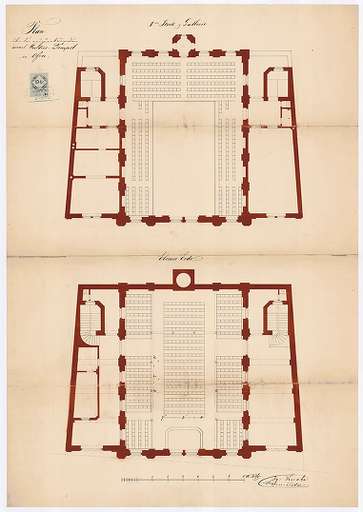
Jews lived in medieval and Ottoman Buda, but after an expulsion ordered by Maria Theresa in 1746 they were barred from the town, and resettlement began only in 1783 under Joseph II. The reorganised congregation, centred on the Víziváros district below the Castle, built its first synagogue in Öntőház utca in 1812 on a plot belonging to the builder András Dankó; a guidebook by Dóra and György Szegő instead places a first prayer house here around 1790, on the site of the medieval cannon foundry that gave the street its name. By the 1860s a larger and more representative building was wanted, and Knabe's synagogue provided 728 seats, 428 for men and 300 for women. The Buda community kept its independence after Buda, Óbuda and Pest were united in 1873. As the Margit körút district and Lágymányos were built up it grew from a few hundred members to six or seven thousand between the wars, opened a second synagogue in Zsigmond (now Frankel Leó) utca in 1888 and a third in Lágymányos in 1936, and repeatedly declined to merge with the far larger Pest community.
Architektur und Gestaltung
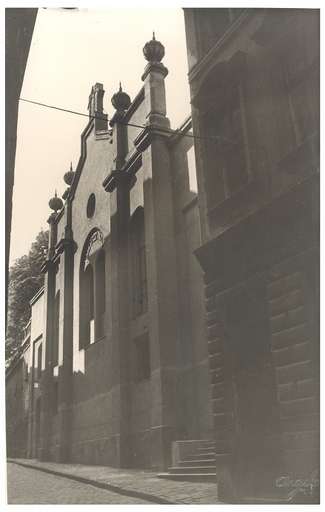
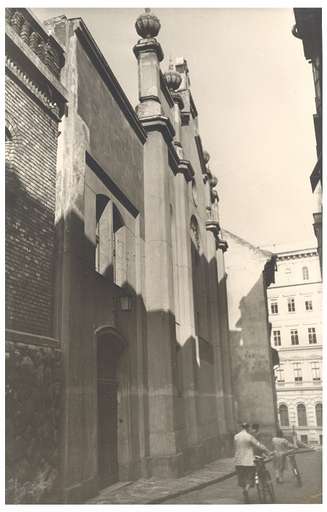
Knabe's 1865 drawings, preserved in the Budapest City Archives, show a rectangular two-storey hall flanked by lower side wings, with rows of pews on the ground floor and galleries on three sides above. The street front was strongly influenced by Ludwig Förster's synagogues in Vienna and in Dohány utca: slender octagonal, minaret-like piers rose above the cornice and carried four small onion domes; twin round-arched windows in the centre were surmounted by a rose window with a Star of David, and the gable, edged by a dentilled cornice, ended in the Tablets of the Law. The doors opened in the plain side wings. Photographs of about 1943 show the rendered façade and its ribbed finials hemmed into the narrow street. Inside, according to the Szegős, the oriental character was more pronounced than on the façade. A photograph taken before the 1942 fire shows slender columns carrying galleries with turned wooden balustrades, a flat ceiling, round-headed windows glazed with Stars of David, and a rectangular Ark recess in a dark frame beneath a Hebrew verse (Exodus 25:22) and the Tablets, flanked by tall seven-branched candelabra.
Leben in der Synagoge
The synagogue followed the Neolog rite and was the main temple (főtemplom) of the Buda Israelite Community, which also ran the Újlak and, later, Lágymányos synagogues under a single set of temple regulations issued in 1922; these fixed the start of the Sabbath morning service at ten o'clock and laid down rules of dress and decorum. Arnold Kiss, poet, translator and author of the women's prayer book Mirjam, was chief rabbi from 1901 until his death in 1940; Bertalan Edelstein served beside him as rabbi from 1902 until his death in 1934. A 1928 directory names Henrik Fischer as chief cantor and Károly Baracs as president. On 30 May 1906, the first day of Shavuot, ten girls took a vow of fidelity to their faith here, the first such confirmation ceremony in Budapest. During the First World War the Jewish pupils of the district's municipal girls' school attended Friday-afternoon services in the building. In the early 1920s the community still hoped to replace it with a new temple on Krisztina körút.
Zerstörung
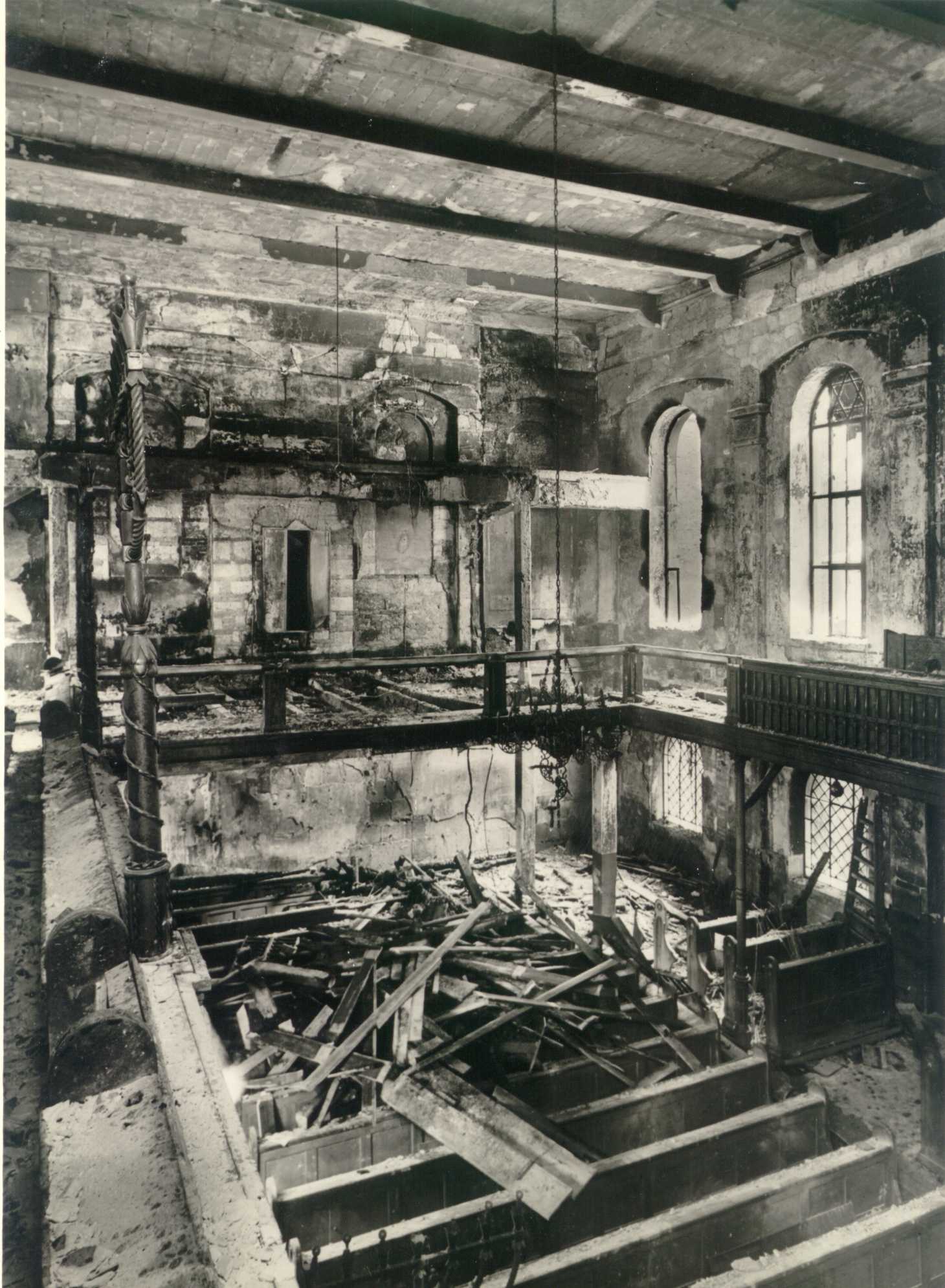
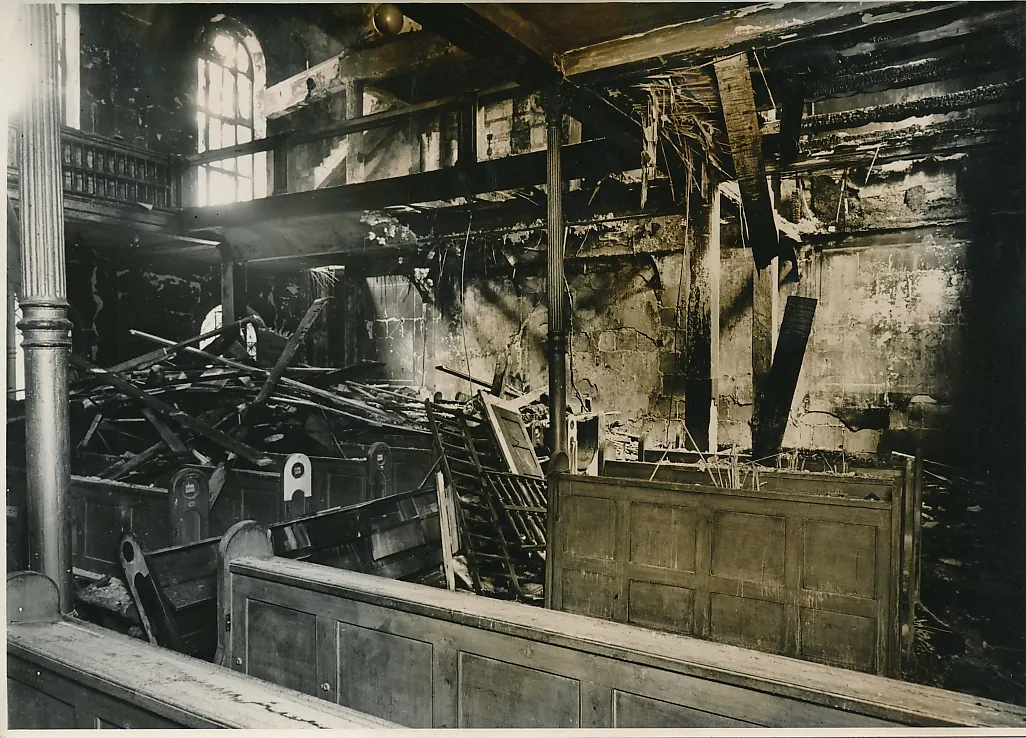
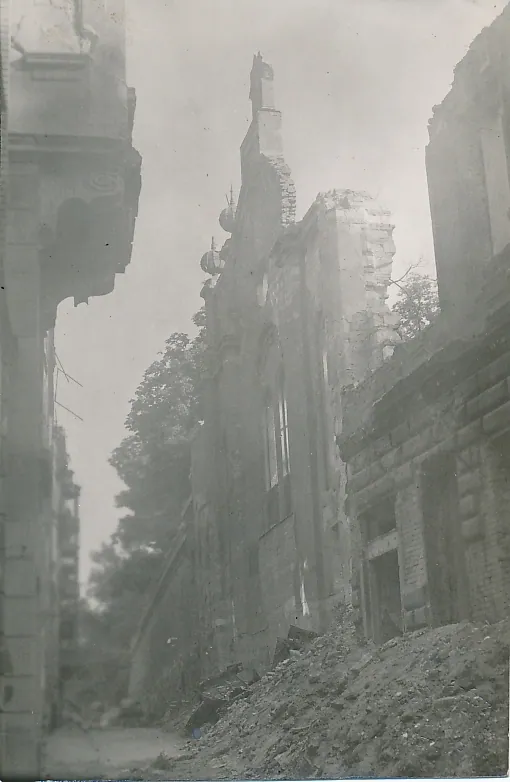
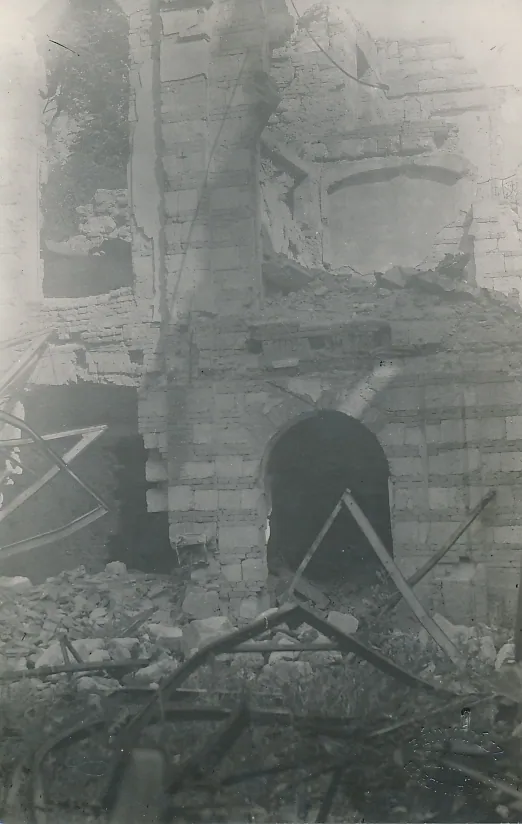
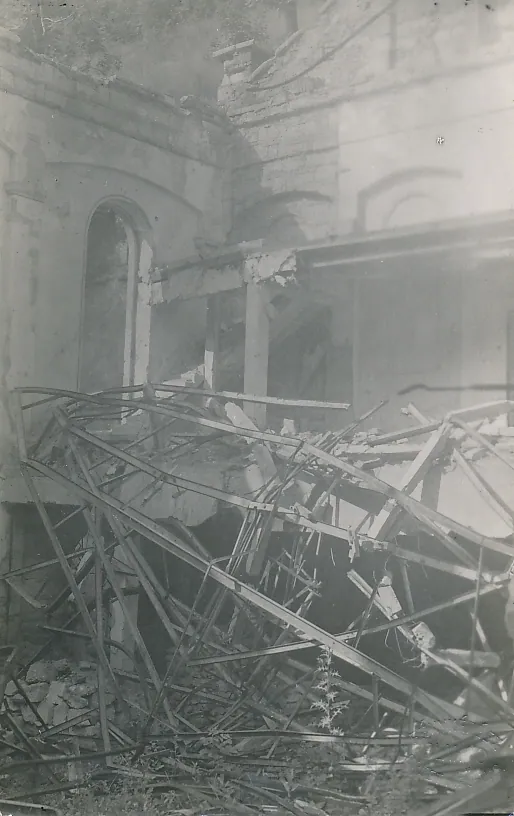
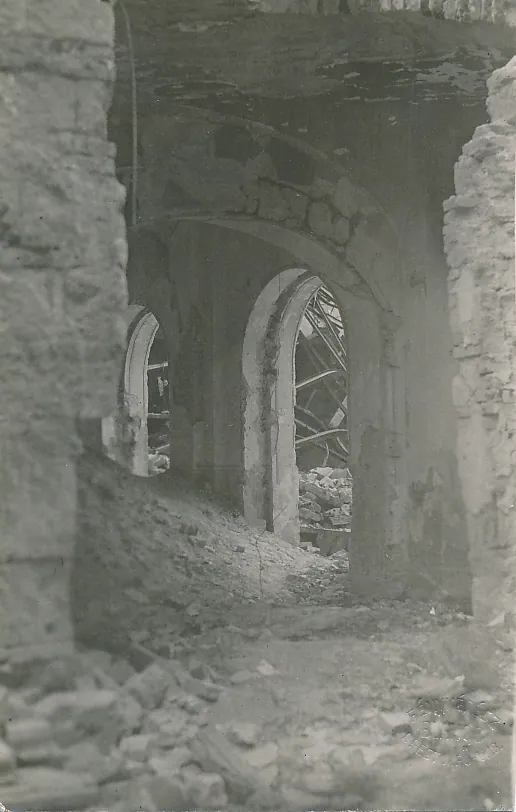
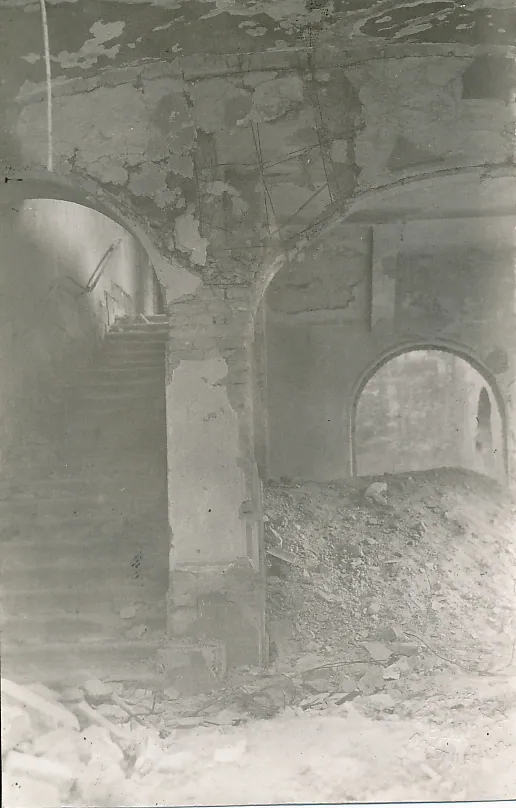
The first blow was a fire. Museum photographs dated 16 October 1942 are captioned as showing the interior after the fire of February 1942; they record charred galleries, fallen floors and scorched walls beneath a ceiling that still held. Later accounts date the fire to 1943 and blame a candle left burning. Photographs by Angelo, dated about 1943 by the holding library, show the street front still standing. During the Siege of Budapest in the winter of 1944–45, when the Soviet Red Army fought the Nazi German and Hungarian forces holding Castle Hill directly above the street, the building was hit and reduced to a roofless shell. One writer speaks of a bomb, but no source consulted says whose fire struck it. Archive inventories of 1957 and 1965 record simply that Knabe's synagogue perished in 1944–45. After the war the authorities had the ruin pulled down, as were the other houses of the street. The year of the clearance is not established; a Hungarian Wikipedia list gives about 1945, so it is unclear whether it preceded the Communist takeover.
Das Schicksal der Gemeinde
Between the wars some six to seven thousand Jews lived in Buda. In the winter of 1944–45, under the Arrow Cross regime installed during the Nazi German occupation, armed Arrow Cross men attacked the Jewish hospitals of Buda: on 12 January 1945 a group led by the Arrow Cross friar known as Father Kun murdered 92 people at the Buda Chevra Kadisha hospital in Maros utca, and the Orthodox hospital in Városmajor utca was attacked in the same weeks. Pál Vidor, rabbi of the Újlak synagogue, died in 1945; Imre Benoschofsky, another of the community's rabbis, was taken for forced labour but survived and later became national chief rabbi. With the Öntőház utca synagogue destroyed, the survivors reorganised religious life around the Frankel Leó utca synagogue, which is still in use, and the Lágymányos synagogue, which was nationalised in 1950. The diminished Buda community resisted amalgamation to the end; it was merged with the Pest community in 1949 under state pressure, after which its properties were nationalised.
Der Ort heute
Öntőház utca still exists as a short, quiet lane on the eastern slope of Castle Hill, running behind the houses of Lánchíd utca a little south of Clark Ádám tér, but nothing of its pre-war fabric survives. According to a 2013 survey of Jewish Buda, every house in the street was demolished along with the synagogue and the street itself was reshaped: part of the old line is now the road climbing from Clark Ádám tér and its retaining wall. A 2008 description calls it a street of back entrances lined by the dark castle wall, with a single modern three-storey block of flats. The exact footprint of the synagogue at nos 5–7 has not been plotted against today's layout, and no memorial on the site is mentioned in the sources consulted.
Bedeutende Namen
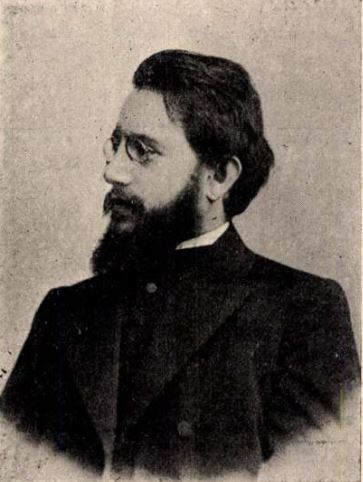
Arnold Kiss
1869–1940Chief rabbi of Buda, 1901–1940; poet and translatorBorn Adolf Klein in Ungvár and trained at the Budapest Rabbinical Seminary, Kiss served in Zsolna and Veszprém before the Buda community elected him chief rabbi in 1901. He preached in the Öntőház utca main temple for almost four decades; during his tenure it hosted Budapest's first Shavuot confirmation of girls in 1906. He also taught Hebrew literature at the Seminary and was known for his poetry, translations and the women's prayer book Mirjam.
Biografie oder Quelle →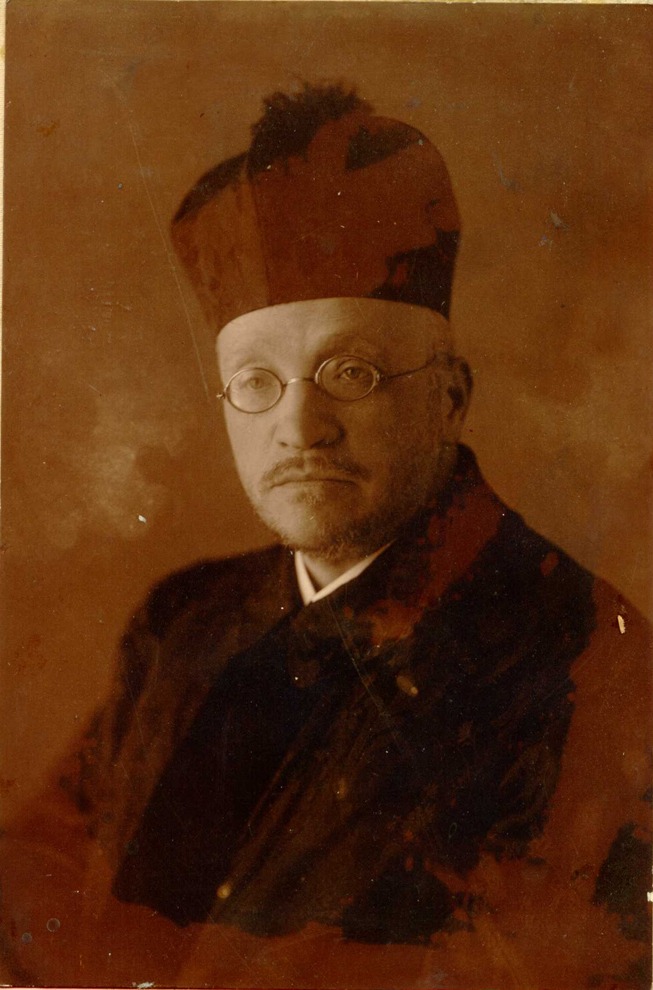
Bertalan Edelstein
1876–1934Rabbi of Buda 1902–1934 (chief rabbi from 1924 according to his biography)A Budapest-born graduate of the Rabbinical Seminary, Edelstein was elected rabbi of the Buda community in 1902 and served beside Arnold Kiss at the Öntőház utca synagogue for more than thirty years. He taught at the Seminary and at the Árpád grammar school, edited the Buda community's bulletin and chronicled Hungarian Jewish life year by year.
Biografie oder Quelle →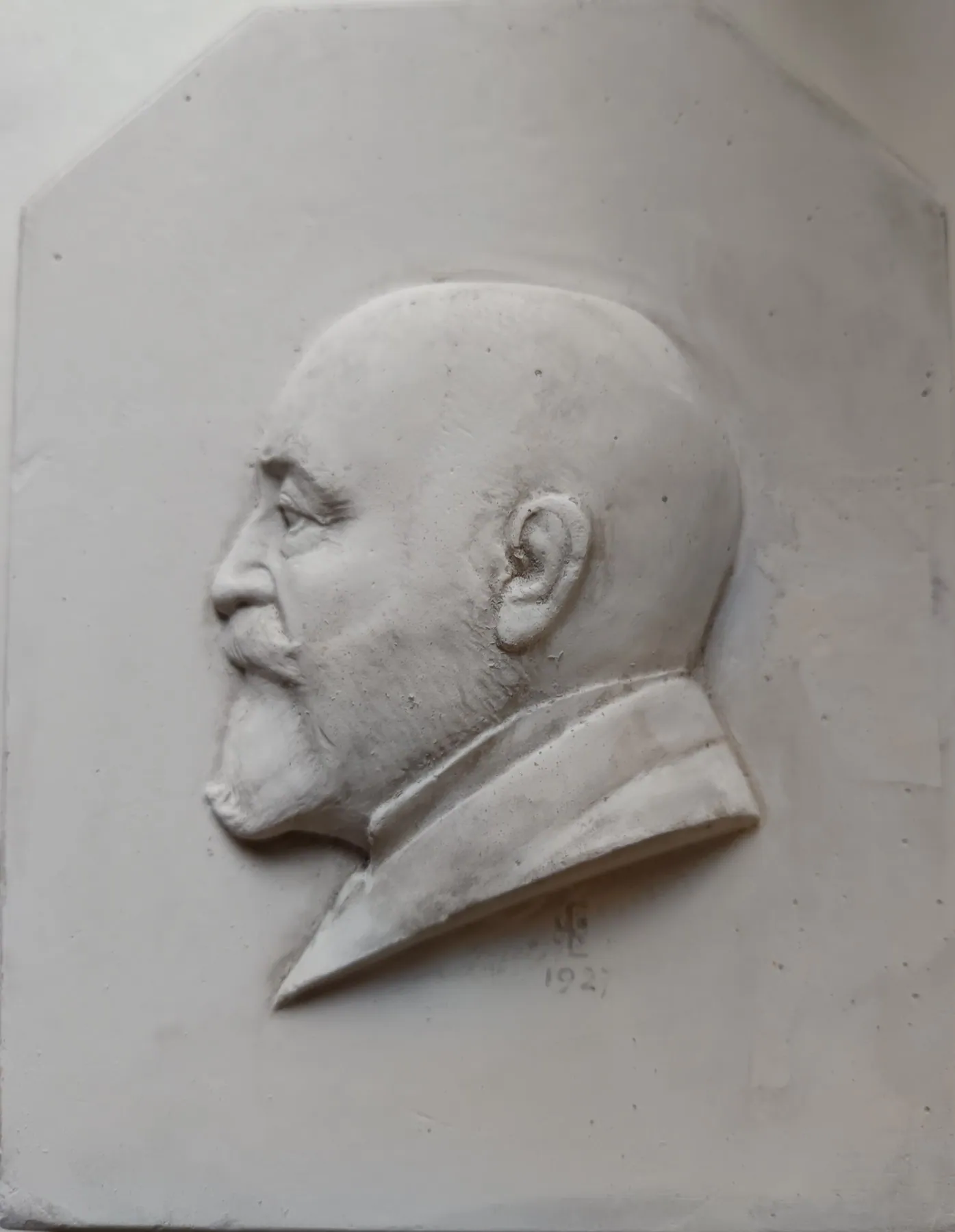
Károly Baracs
UnknownPresident of the Buda Israelite Community (1920s)A court councillor and railway director, Baracs is listed as president of the Buda Israelite Community in the 1928 Budapest directory, alongside chief rabbi Arnold Kiss and rabbi Bertalan Edelstein, in the years when the congregation recovered ownership of its Öntőház utca synagogue. The Hungarian Jewish Museum also records him as president of the Hungarian Jews' Pro Palestine Association.
Biografie oder Quelle →Ignác Knabe
c. 1825–1887Architect and master builderA Buda master builder and member of the builders' guild from 1851, Knabe signed the 1865 plans for the two-storey 'Israelite temple' in Öntőház utca, which are preserved in the Budapest City Archives. A Hungarian art lexicon names the Moorish-style Buda synagogue as his principal work. He went on to design the synagogue of Szentes (1868–72) and worked widely on houses and industrial buildings in Buda.
Biografie oder Quelle →Haben Sie etwas beizutragen?
Fotos, Dokumente, Familiengeschichten oder Erinnerungen an diese Synagoge und ihre Gemeinde halten ihre Geschichte lebendig.
- Szegő Dóra – Szegő György: Zsinagógák (A mi Budapestünk), 2004, pp. 20–22 (Hungarian edition)
- Szegő Dóra – Szegő György: Zsinagógák, 2004, p. 22 (continuation)
- Szegő Dóra – Szegő György: Synagogues (Our Budapest), 2004, English edition, pp. 20–21
- új kétszintes zsinagóga [HU BFL XV.17.a.302 – 403], plans by Knabe Ignác, 1865
- kétszintes zsinagóga [HU BFL XV.17.a.303 – 141], plans by Knabe Ignác, 1865
- Budapest, Öntőház utcai zsinagóga belső tere (F00.153)
- Budapest, Öntőház utcai zsinagóga belső az 1942. februári tűzvész után (F66.669)
- Öntőház utcai zsinagóga romjai (F70.54.1) and related ruin photographs by Blahos
- [Az Öntőház utcai zsinagóga bejárata déli irányból észak felé nézve], Angelo, [1943]
- Farkas Elemérné: A Fővárosi Levéltárban őrzött építési tervek jegyzéke 1. (Levéltári jegyzékek 3., 1965), p. 11
- Zakariás G. Gábor: Adatok Buda építészetéhez a XIX. század első felében, Tanulmányok Budapest Múltjából 12 (1957), p. 288
- Cseh Viktor: A lágymányosi nagyzsinagóga kalandos története, Egység 136 (November 2020)
- Az első sávuoti fogadalmi ünnep, Egység 142 (May 2021), p. 22
- Hogyan viselkedtek eleink a zsinagógában? 100 esztendeje
- A zsidó Buda
- Virtuális séta a Budavári Sikló születésének 150. évfordulóján
- Fővárosi Közmunkák Tanácsa hivatalos jelentései 1923–1927, p. 96
- Budai Napló, 21 December 1919 (no. 628)
- Budapesti Czim- és Lakásjegyzék 1928, p. 247
- I. kerületi községi felsőbb leányiskola és leánygimnázium értesítője, 1916
- Egy ember három néven: Hirschmann Györggyel Szabó Ildikó beszélget, Forrás 2015/7–8, p. 83
- Csider István Zoltán: Kedd, szerda, Budapest 2008/12, p. 11
- Berza László: Budapest története képekben 1493–1980, Képkatalógus 3/4, item 65676
- Magyar Zsidó Lexikon (1929), entry Buda
- Simontornyai-Scheiber Mária: A budai Városmajor utcai Bíró Dániel kórház története, Orvostörténeti Közlemények 226–229 (2014), p. 180
- Károli Gáspár tér 5. [BZSH Lágymányosi Bét Sálom Zsinagóga]
- A soha meg nem épült nagy budai zsinagóga története
- Knabe Ignác
- Budapest elpusztult nevezetes I. kerületi épületeinek listája
- Benoschofsky Imre
- Budai Napló, 18 September 1923 (no. 788)
- [Kilátás a Várhegyről DK felé], before 1897 (and related panoramas showing the synagogue roof)
- File:Kiss Arnold.jpg
- Kiss Arnold
- Edelstein Bertalan
- Nominatim search: Öntőház utca, Budapest
Share a memory or thought
No comments yet. Be the first to add one.