
La storia di Synagogue of Česká Lípa
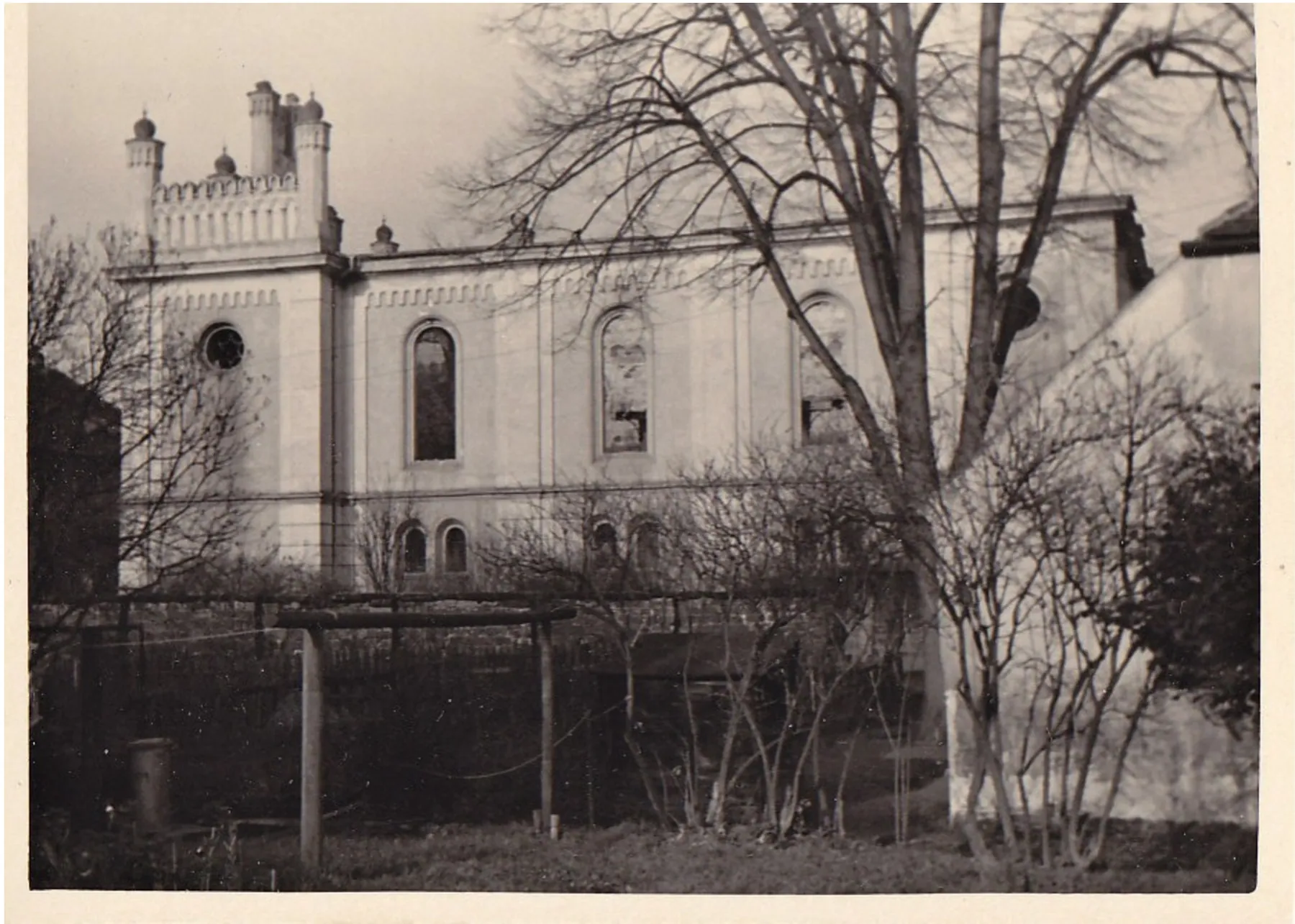
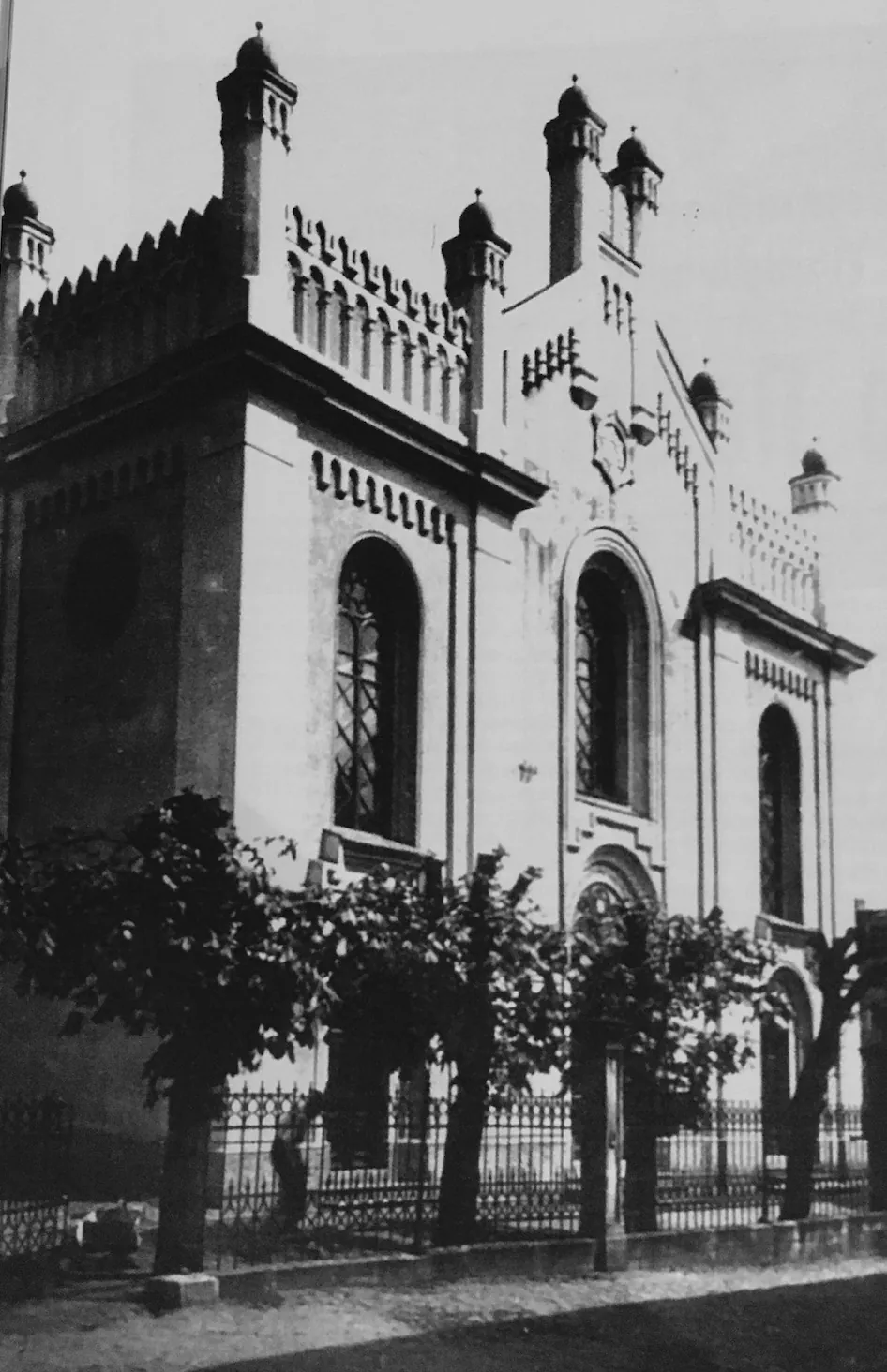
Česká Lípa, in northern Bohemia, had Jewish residents from at least the early sixteenth century, and a prayer house is recorded in a house bought in 1586. The community survived a pogrom in 1744, when Hungarian pandurs killed its rabbi Jonas Nathan and about thirty other Jews, and a town fire in 1820 that destroyed its wooden synagogue. In 1857 a temple-building committee was formed, and in February 1863 the town approved a new synagogue on the street that became known as Tempelgasse. The foundation stone was laid on 17 April 1863 in the presence of the district governor and crowds of townspeople, and the building was consecrated on 23 September 1864, on the eve of Yom Kippur, by Rabbi Josef Lehmann. It was a two-storey Neo-Romanesque building with Moorish details, onion-domed turrets, the Ten Commandments on its gable and a Hebrew verse over the door. After the Munich Agreement, Česká Lípa was annexed to Nazi Germany. On the night of 10–11 November 1938 the synagogue was set on fire; neighbours called the fire brigade, but a crowd looted the building and in the morning arsonists set it alight again. Its walls were removed in spring 1941.
Where it stood for 74 years
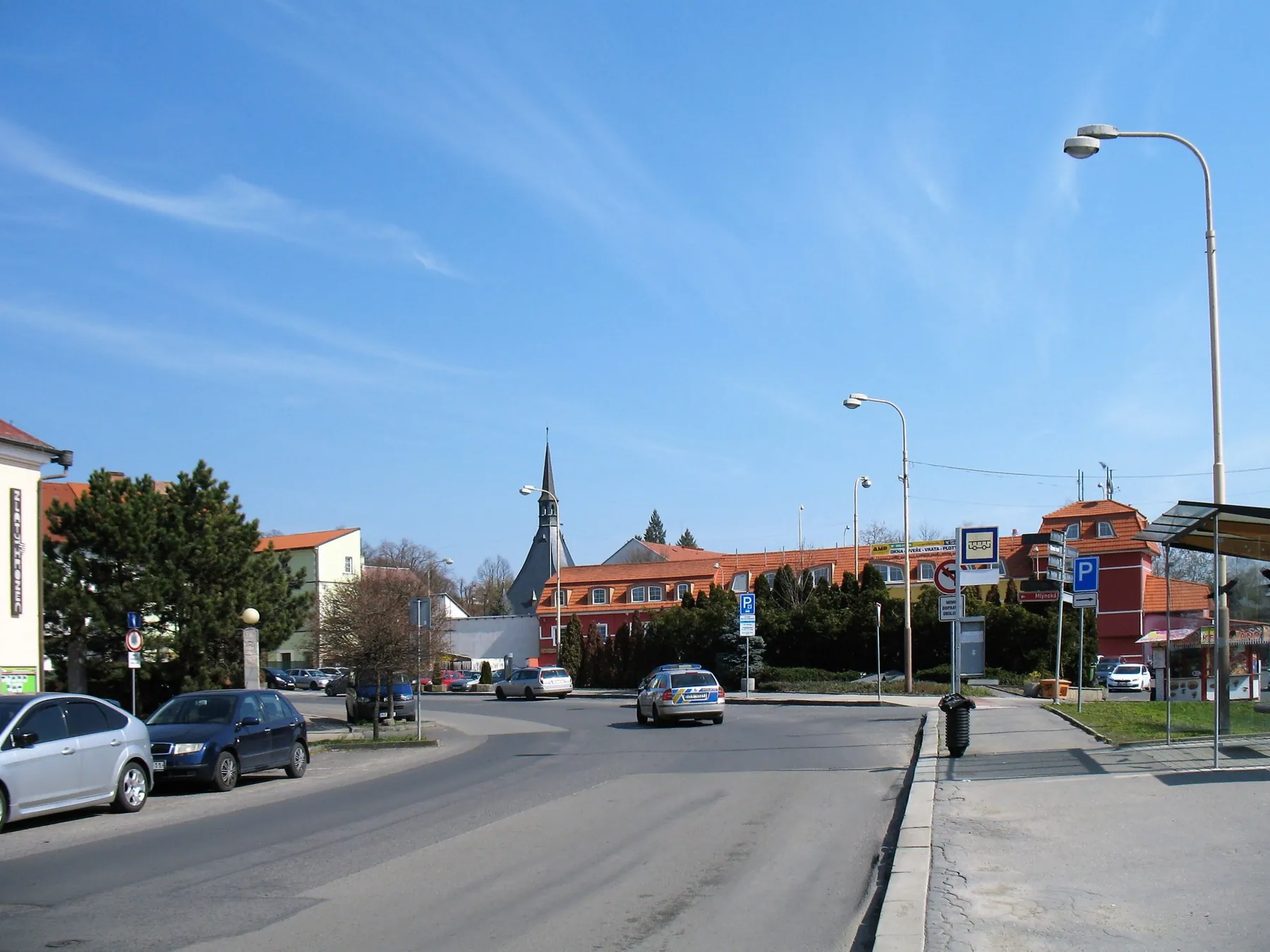
Historic: Tempelgasse, Böhmisch Leipa. Present day: U Synagogy street, near Lipý water castle, Česká Lípa, Czech Republic. Approximate.
Apri la mappa grande →La comunità ebraica
Jewish settlement in Česká Lípa is documented from the sixteenth century, when town records name Jewish householders and lodgers, and in 1570 there were 14 Jewish taxpayers. By 1628 Jews owned 11 houses, each shared by several families, and in the eighteenth century the community was one of the largest in Bohemia outside Prague, with 358 people in 1724. It was devastated in December 1744, during the War of the Austrian Succession, when Hungarian irregulars killed Rabbi Jonas Nathan and some thirty Jews and burned the community's books. After emancipation the community flourished: 130 families in 1852, 490 people in 1912. It was served by learned rabbis, among them Daniel Ehrmann (1851–1860) and the Talmud scholar Joel Müller (1867–1872). In 1930 the town had 301 Jews, 2.7 per cent of its population, and Jews were the second-largest group in the town after the Germans.
Architettura e design
According to surviving pictures, the synagogue was a rectangular two-storey building on an east–west axis, with a main nave and two side aisles; Czech Wikipedia gives its dimensions as 14 by 7 metres. It was built in the Neo-Romanesque style with strong Moorish elements, by the architect Eduard Posselt following designs by Josef Goldbach. The main facade was pierced by tall round-arched windows and a rose window and ended in a gable topped with onion-domed turrets and the tablets of the Ten Commandments. Its walls were rusticated and divided by pilasters. Over the main entrance, set in a Romanesque arch, was a Hebrew inscription from Exodus 20:24: 'In every place where I cause My name to be mentioned, I will come to you and bless you.' Staircases to the women's gallery probably ran along the sides. Next door stood the Jewish school of 1867, with the rabbi's flat, a study hall, community offices and a mikveh in the basement.
La vita nella sinagoga
The laying of the foundation stone on 17 April 1863 was a great civic occasion: Rabbi S. Beck led prayers and psalms, a children's choir sang, and the district governor Josef Zeidler tapped the stone in the name of Emperor Franz Joseph, sealing documents about the community inside it. The synagogue was consecrated on the eve of Yom Kippur 1864 by Rabbi Josef Lehmann, who served there for the next three years. It probably followed a moderately reformed rite, with an organ and choir. The adjoining school building held the rabbi's flat, a beit midrash, community offices and the ritual bath. The last rabbi of the synagogue was Dr Bernhard Wolff, whose family is remembered by Stolpersteine in U Synagogy street.
Distruzione
After the Munich Agreement, the German army entered Česká Lípa in October 1938 and the town was annexed to Nazi Germany. During the Kristallnacht pogrom, the synagogue caught fire in the night of 10–11 November 1938. Residents of neighbouring houses, afraid the fire would spread, called the fire brigade, which put it out. A crowd then broke into the burned building and looted its furnishings. In the morning the arsonists set a new fire, which destroyed the synagogue completely. The mayor boasted to the Nazi newspaper Der Stürmer that the formerly 'heavily Jewish' town would soon be cleansed of Jews, and in spring 1939 Tempelgasse was renamed Stürmergasse. On the orders of the occupation authorities the remaining walls were cleared in spring 1941.
Il destino della comunità
Most of the Jews of Česká Lípa fled to the Czech interior after the Munich Agreement in the autumn of 1938; reports from other districts record Jews expelled from the town. Before Hitler's visit to the town, the remaining Jews were driven to the railway station and forced to scrub the road with toothbrushes. Tombstones from the old Jewish cemetery were taken for building material. Those who had fled into Bohemia and Moravia were caught by the German occupation of March 1939 and were later deported, mostly through Terezín to the ghettos and death camps of the east, where most were murdered. After the war a small congregation was formed in 1959 by Jews from Subcarpathian Ruthenia who had served in the Soviet army, but it later dissolved.
Il luogo oggi
Nothing of the synagogue survives. It stood on the street now called U Synagogy (formerly Tempelgasse), near the water castle Lipý, where a car park and a small park now occupy the site. Remains of the mikveh of the neighbouring school may survive under the car park. Two memorials stand nearby: a stone in the form of a Jewish gravestone, made in 1948 but hidden by its sculptor and unveiled only on 28 October 1995, and a second memorial unveiled in 2008. Stolpersteine for the family of the last rabbi, Bernhard Wolff, are set in the pavement of U Synagogy.
Nomi importanti
Joel Müller
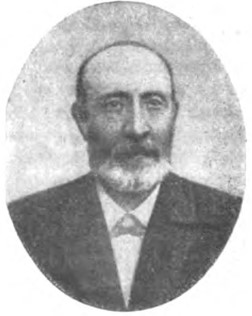
1827–1895Rabbi of Česká Lípa (1867–1872)Joel Müller, an Austrian Hebraist and Talmud scholar born in Ostroh, served as rabbi of Česká Lípa from 1867 to 1872, preaching in the synagogue in its first decade. He later taught at the Hochschule für die Wissenschaft des Judentums in Berlin and published important editions of Geonic responsa.
Biografia o fonte →Josef Lehmann
19th centuryRabbi who consecrated the synagogueRabbi Josef Lehmann consecrated the new synagogue of Česká Lípa on 23 September 1864, on the eve of Yom Kippur, and served the community for the next three years. He led the congregation in its first years in the Neo-Romanesque temple on Tempelgasse, which replaced the older synagogue that the community had long outgrown.
Biografia o fonte →Bernhard Wolff
20th centuryLast rabbi of the synagogueDr Bernhard Wolff was the last rabbi to serve in the synagogue of Česká Lípa before it was burned in November 1938. Stolpersteine for members of his family have been laid in the pavement of U Synagogy street, the former Tempelgasse, close to where the synagogue stood.
Biografia o fonte →Hai qualcosa da condividere?
Fotografie, documenti, storie di famiglia o ricordi di questa sinagoga e della sua comunità aiutano a mantenerne viva la storia.
Share a memory or thought
No comments yet. Be the first to add one.