
Historia Staro-Nikolaevskaya (Old Mykolaiv) Synagogue
The Staro-Nikolaevskaya Synagogue on Vorontsovska Street was the oldest synagogue in Kherson and served as the city's main synagogue. It was founded in the 1780s, within a few years of the city's establishment in 1778, and was rebuilt in 1880. It stood in a quarter that held several Jewish houses of worship, including the Novo-Nikolaevskaya Synagogue and a beit midrash.
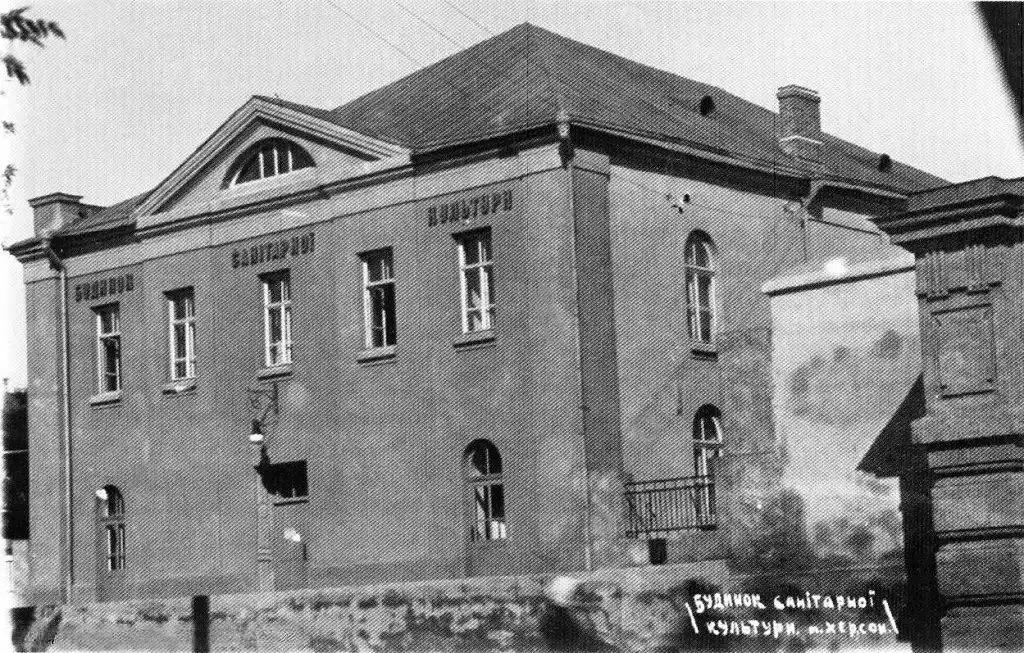
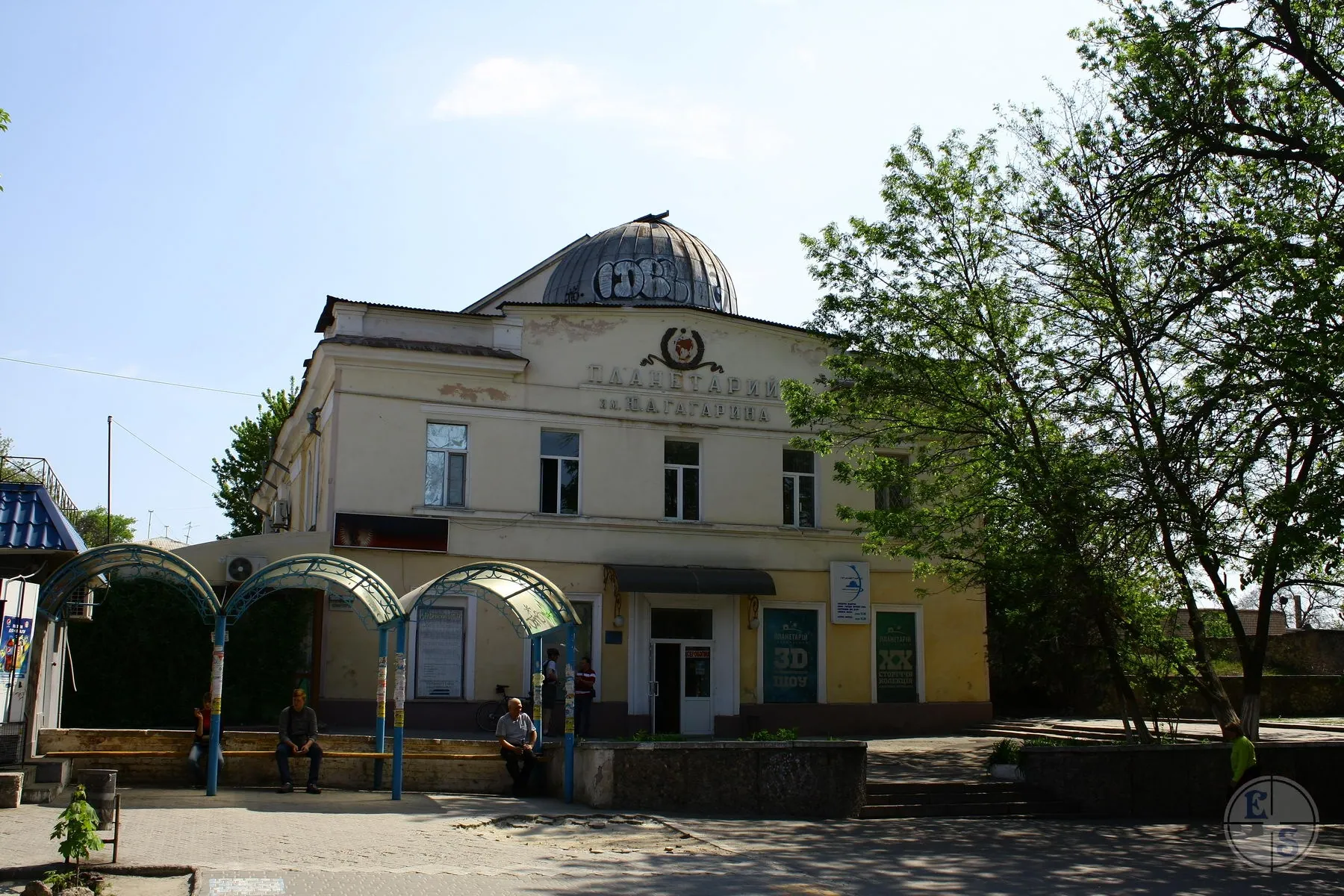
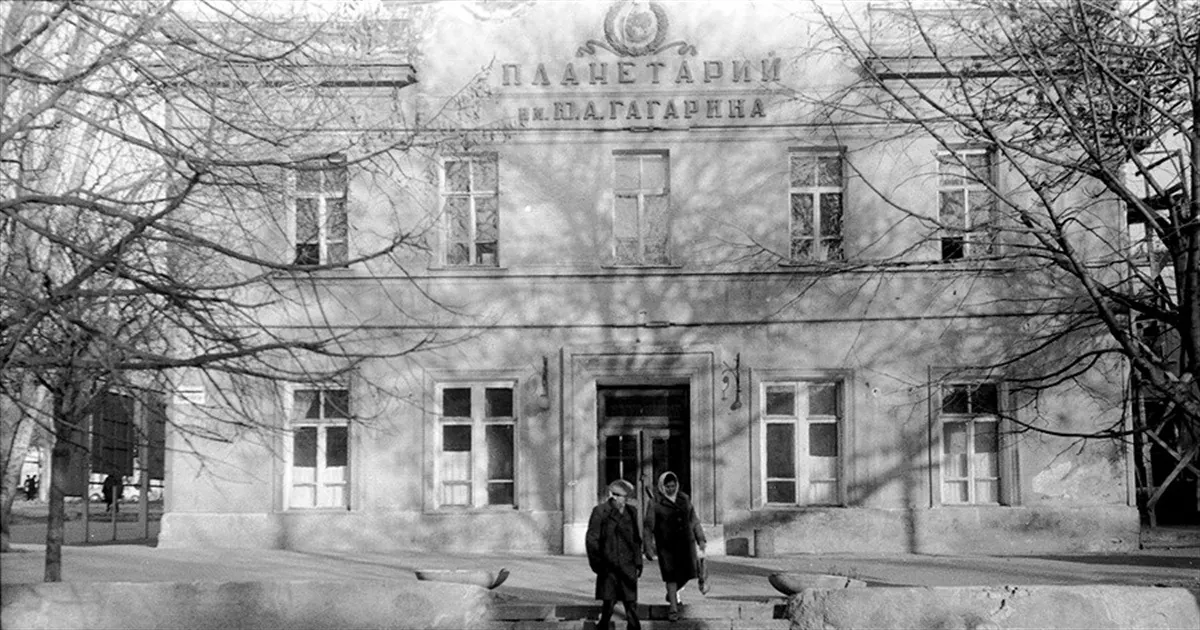
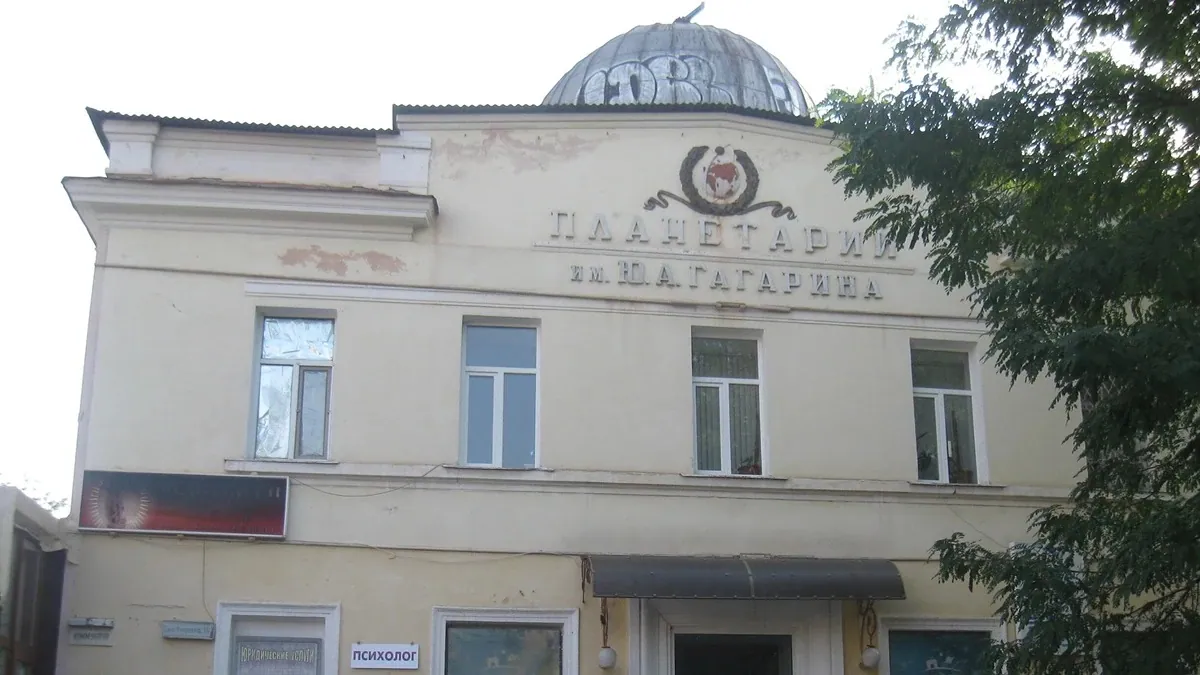
The Soviet authorities closed the synagogue in 1928 and converted it into a sports hall and later a "House of Sanitary Culture". On 15 May 1960 it reopened as the Kherson Planetarium, named after Yuri Gagarin in 1965. The building therefore survived the Holocaust and the Second World War, unlike the community that had built it; in September 1941 the Einsatzgruppen murdered thousands of Kherson's Jews.
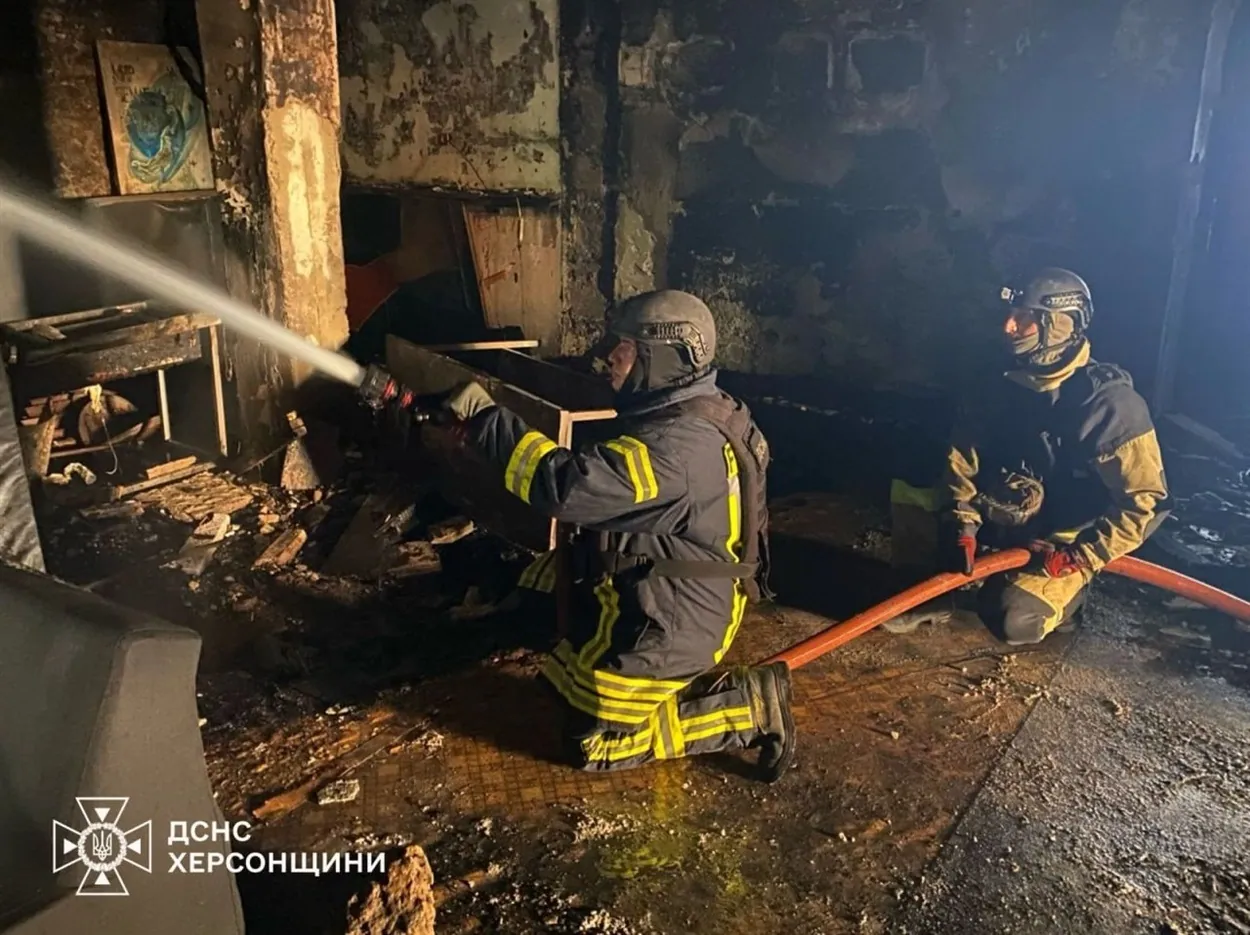
The post-Soviet Jewish community chose not to reclaim the building. After Russia's full-scale invasion, the planetarium came under occupation in 2022 and then under repeated shelling. On 27 November 2025 a Russian strike set the building on fire and caused what local officials described as critical damage. Some reports describe a complete loss; the full extent has not been independently verified.
Where it stood for 145 years
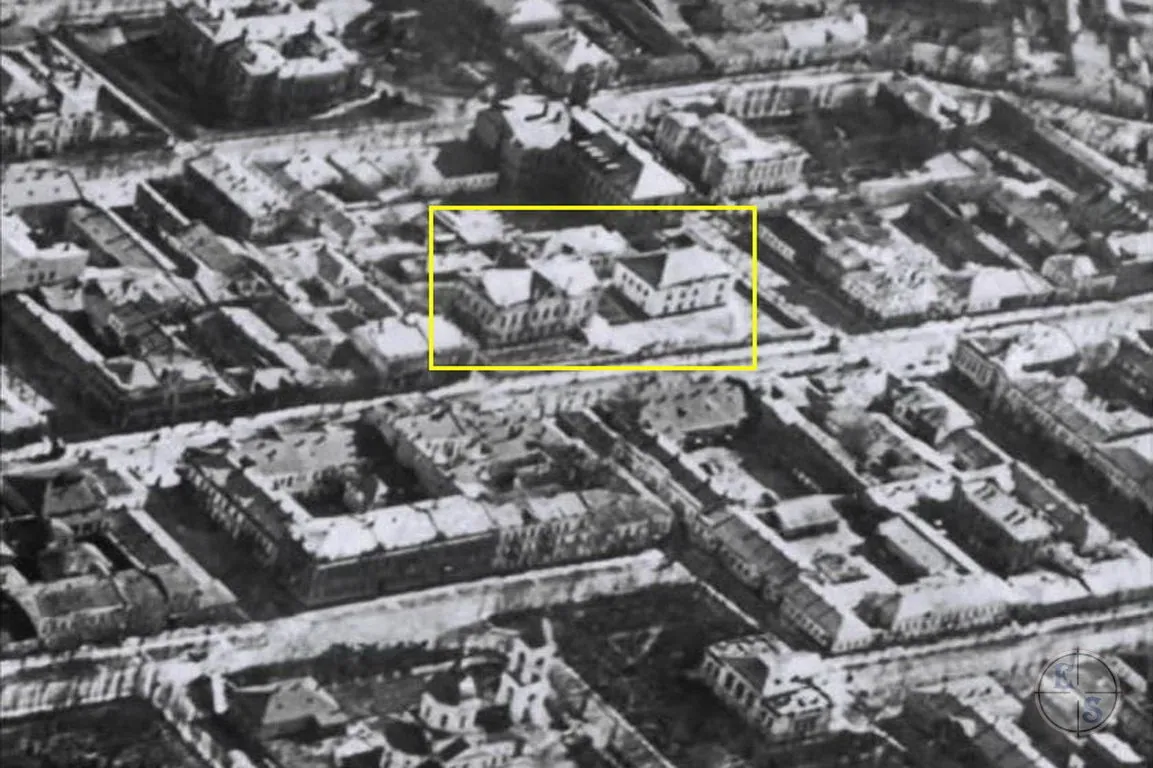
Historic: Vorontsovskaya Street 14, Kherson. Present-day: vul. Ratushna 14 (formerly Vorontsovska), Kherson Planetarium named after Yu. Gagarin. Location exact: the pin marks the surviving building.
Otwórz większą mapę →Społeczność żydowska
Jews settled in Kherson soon after the city and fortress were founded in 1778 on the lower Dnipro. By 1799 the city had 39 Jewish merchants and 180 Jewish townspeople, and the Staro-Nikolaevskaya Synagogue was founded in the 1780s to serve this early community.
The community grew rapidly in the 19th century, from 3,832 people in 1847 to 17,755 in 1897, about 30 per cent of the city's population. Jewish merchants played a central role in the Black Sea grain trade: in 1884 about half of Kherson's 150 merchants were Jewish. The community founded a Jewish hospital in 1827 and was an early centre of modern Hebrew teaching. It also suffered pogroms in 1905 and during the civil war, especially in April 1919. The growth of the community led to additional synagogues being built nearby, including the Novo-Nikolaevskaya Synagogue in 1840 and a beit midrash in 1835.
Architektura i projekt
Little reliable architectural documentation survives. A local historian quoted by Mezha states that there is no precise information on the architect or completion date, partly because relevant archives are held in Russia or not yet digitised. The same account describes a classical square plan, rebuilt and expanded in the 1880s. This is consistent with the Ukrainian Jewish heritage site myshtetl.org, which dates the rebuilding to 1880.
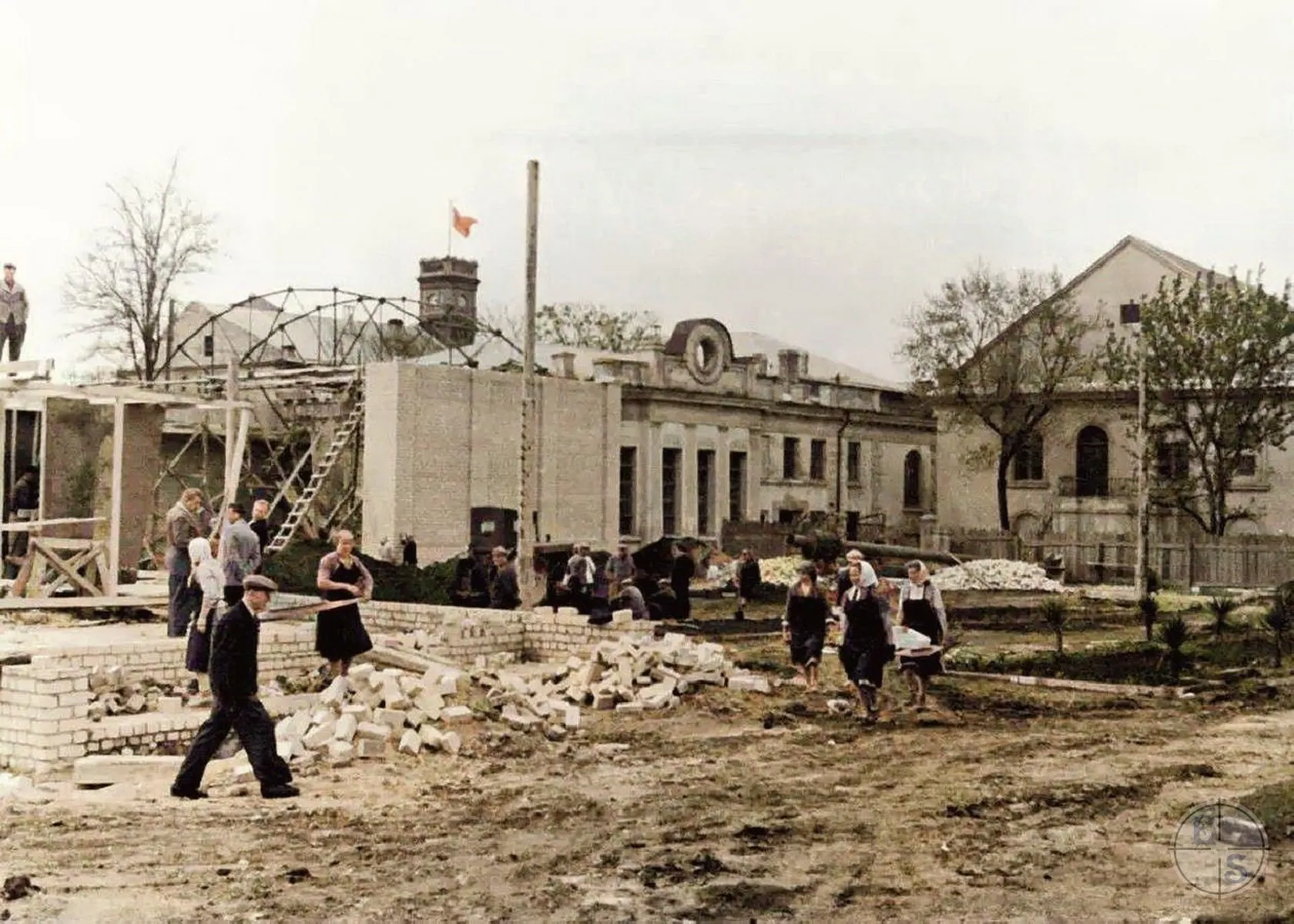
Soviet conversions substantially altered the building. It was adapted first as a sports hall and then as a planetarium, and in the 1960s a dome was installed for the Zeiss projector and a Carl Zeiss Jena refractor telescope. Details of the original interior, including the ark, women's gallery and decoration, were not located.
Życie w synagodze
Myshtetl.org identifies the Staro-Nikolaevskaya Synagogue as Kherson's main synagogue. It stood near the Novo-Nikolaevskaya Synagogue (1840, closed 1926 and converted into the Spartak cinema) and a beit midrash (1835, closed 1927 and demolished in the late 1960s), forming a concentrated Jewish religious quarter. The names of its rabbis, cantors and wardens, its congregational affiliation, and specific events held in the building could not be verified from the sources consulted.
More broadly, Kherson's Jewish community supported a hospital, modern Hebrew education from the 1890s, and a range of charitable and educational bodies. It remains unconfirmed which of these were connected to this particular synagogue.
Zniszczenie
The synagogue was not destroyed in the Second World War. The Soviet authorities closed it in 1928 and converted it into a sports hall, then a House of Sanitary Culture, and in 1960 a planetarium. A Kherson local-history account says all three synagogues on this part of the street were seized from the Jewish community.
After Russian forces occupied Kherson in 2022, occupation authorities attempted to take over the planetarium on 3 August 2022; staff removed key documents and programmes. After Kherson's liberation in November 2022, constant Russian shelling prevented the planetarium from reopening. Overnight on 27–28 November 2025, a Russian strike hit the building and caused a fire. Larysa Polska of the Kherson community foundation "Zakhyst" described it as critically damaged, and one outlet reported a complete loss of the structure. Another said the building still required inspection and demining.
Los społeczności
German forces occupied Kherson on 19 August 1941. Killings began on 29 August and continued into September, and a ghetto was established on 7 September. On 24–25 September 1941 Einsatzkommando 11a murdered about 8,000 Jews. In February 1942 further executions followed of Jews found in hiding and about 400 children of mixed marriages.
Jewish life revived after the war. In 1959 about 9,500 Jews lived in Kherson, about 6 per cent of the population. That year the Soviet authorities closed the last functioning synagogue, which was returned to the community in 1991. Today the Chabad synagogue on Teatralna Street, restored and reopened in 2007, serves the community. The Staro-Nikolaevskaya congregation as a distinct body did not survive its 1928 closure.
Miejsce dzisiaj
The building survived as the Kherson Planetarium named after Yuri Gagarin, at Vorontsovska Street 14, until Russian shelling on 27 November 2025 caused a fire and critical damage. Reports differ on whether the structure can be saved. Mezha reports that the building is a designated architectural monument, but the formal heritage listing was not verified. The Soviet-era dome and conversions mean that little of the synagogue's original interior is thought to have survived even before the 2025 strike. No memorial identifying the building as a former synagogue was found in the sources.
Czy masz coś do przekazania?
Zdjęcia, dokumenty, historie rodzinne lub wspomnienia o tej synagodze i jej społeczności pomagają zachować jej historię.
- Синагоги Украины. Херсон и область
- Еврейский Херсон, часть 2
- Херсонський планетарій
- Russian Strike Destroys Historic Kherson Planetarium in 1780 Building
- Occupants destroyed the building of Kherson city planetarium
- Kherson Planetarium Damaged in Attack Highlights City's Rich History
- Херсонский планетарий
- Kherson
- List of synagogues in Ukraine
- Херсонський планетарій (way 615640129)
Share a memory or thought
No comments yet. Be the first to add one.