
The story of Synagogue of Přívoz (Ostrava)
Přívoz, in German Oderfurt, grew in the late nineteenth century from a village into an industrial town beside Moravská Ostrava, the centre of the coal and iron region of northern Moravia. Around 1870 only about 50 Jews lived there, but by 1900, when Přívoz became a town, there were 508. That year they founded the Přívoz Temple Association to raise money for a synagogue, led by Filip Förster, a long-serving town councillor; the innkeeper Leopold Königstein had been negotiating since 1899 for a free building plot. The town donated a garden plot on Mariánská street (today Hlávkova), near the main square and the busy Nádražní street. Major donors included the Vítkovice Mining and Iron Works and the brewer Markus Strassmann, head of the Moravská Ostrava community. The synagogue was built to plans by Ignatz Felix and Eugen Noë by the local Jewish master builder Viktor Sonnenschein, at a cost of 44,000 crowns. It was approved in June 1904 and consecrated on 30 October 1904 by Rabbi Jakob Spira of Moravská Ostrava. After the German occupation of March 1939, Nazis burned it on the night of 9–10 June 1939; the ruins were demolished between November 1939 and 1940.
Where it stood for 35 years
Historic: Mariánská Gasse, Oderfurt. Present day: Hlávkova street (no. 614), Přívoz, Ostrava, Czech Republic. Approximate.
Open larger map →The Jewish community
Přívoz was a young Jewish community that grew with the industrial boom of the Ostrava region. In 1870 only about 50 Jews lived in the village, but the growth of mines, ironworks and the railway brought many newcomers, and by 1900, when Přívoz was raised to the status of a town, it had 508 Jewish residents. They set up the Přívoz Temple Association (Přivozer or Oderfurter Tempel-Verein) in 1900 to build their own house of prayer rather than travel to Moravská Ostrava. The community's leaders included the innkeeper Leopold Königstein and the councillor Filip Förster. It was closely tied to the larger Moravská Ostrava community, whose rabbi consecrated the synagogue and whose president, the brewery owner Markus Strassmann, was among its main benefactors. In 1924 Přívoz became part of Greater Ostrava.
Architecture and design
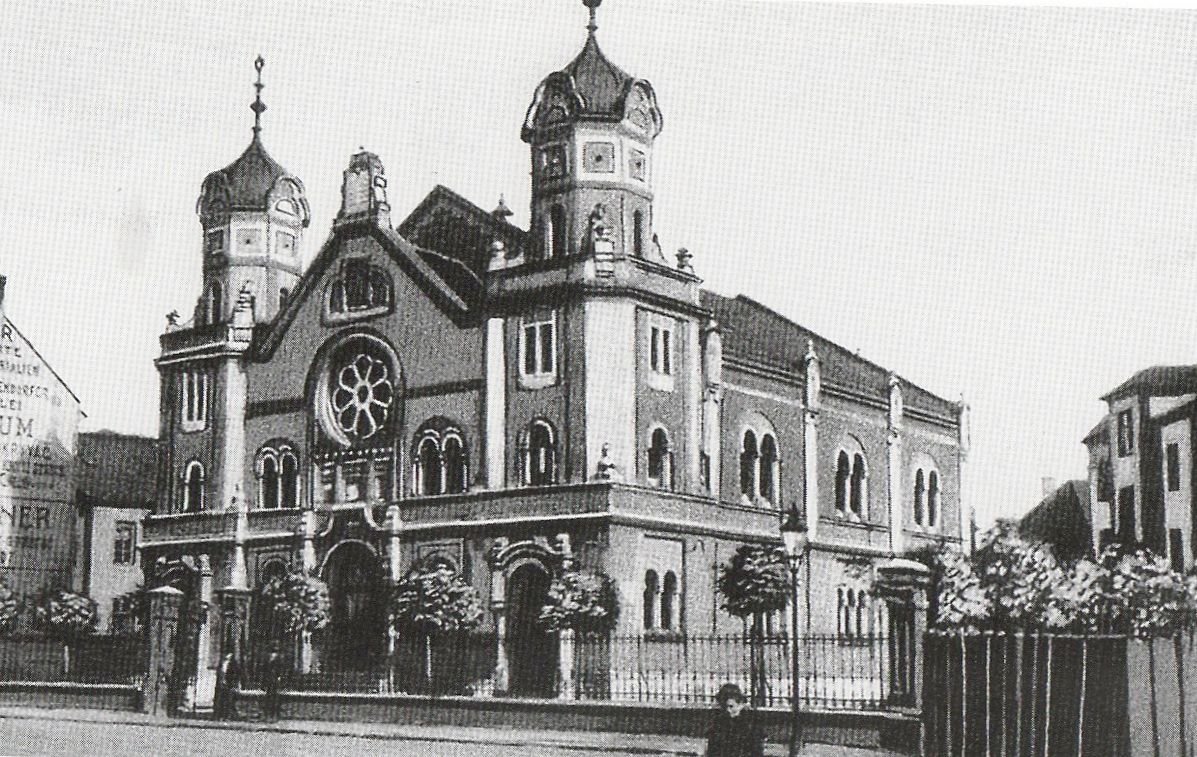
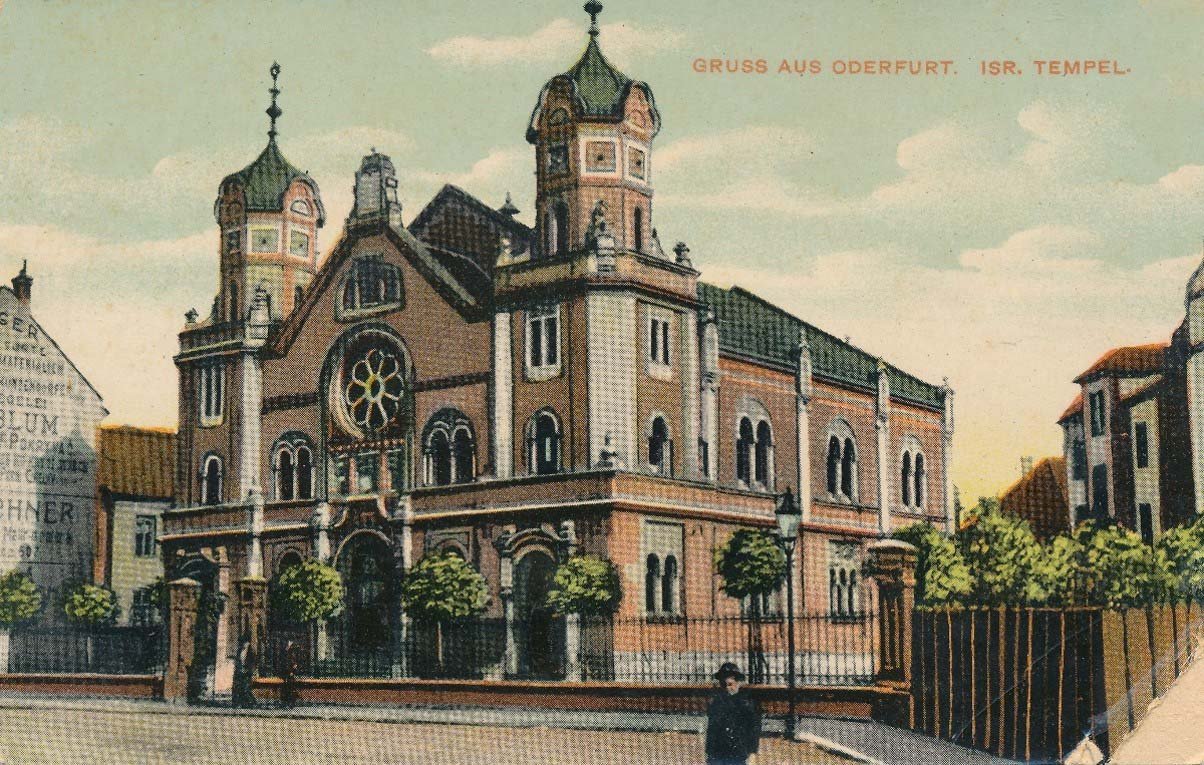
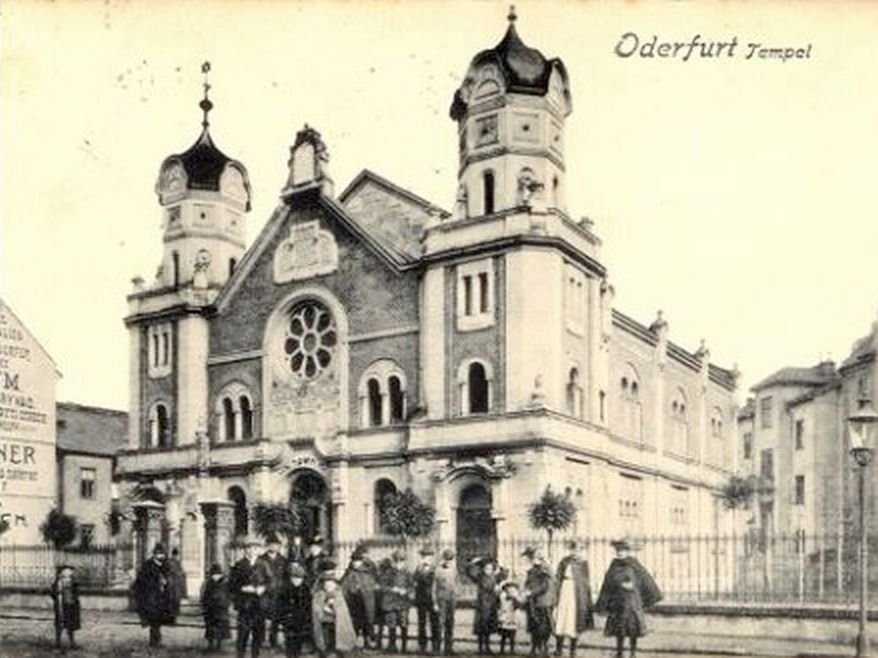
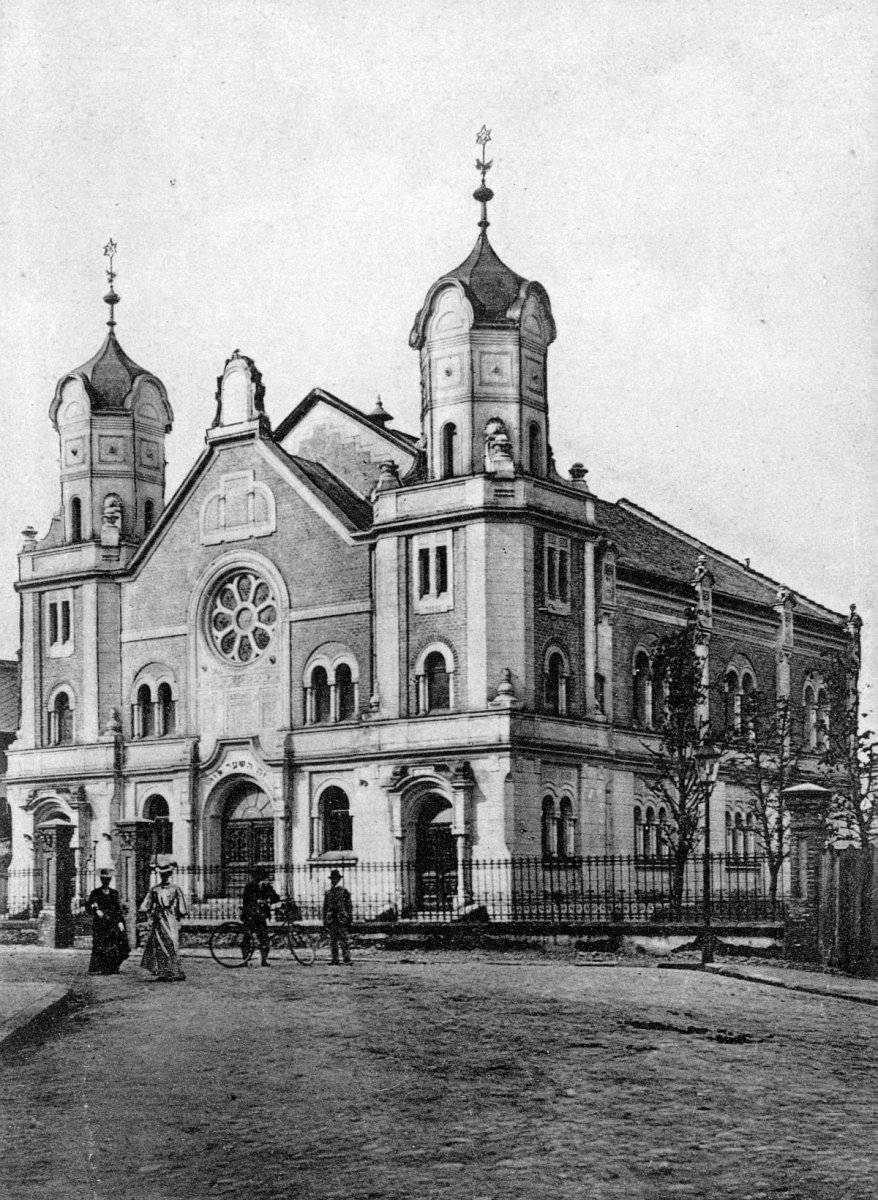
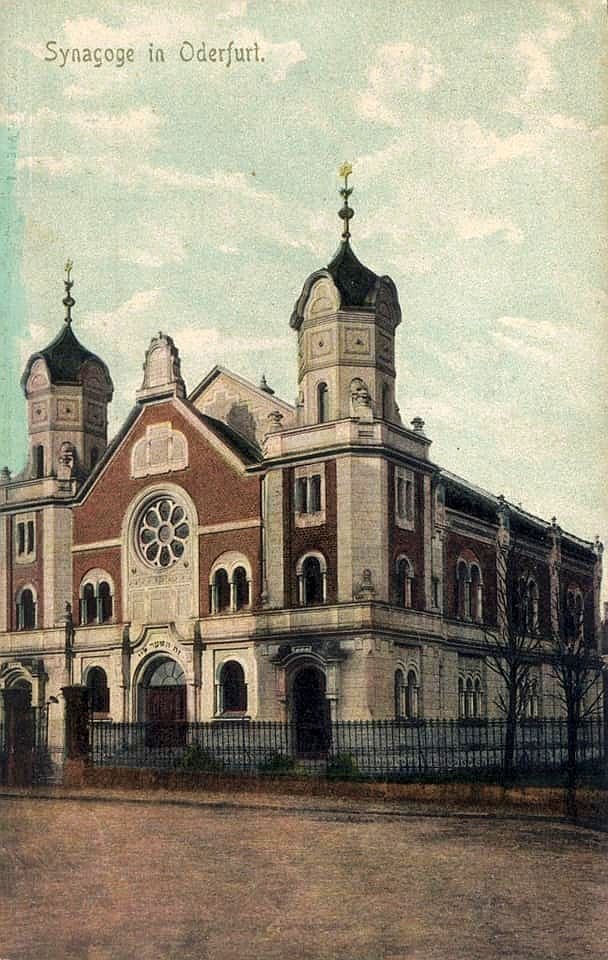
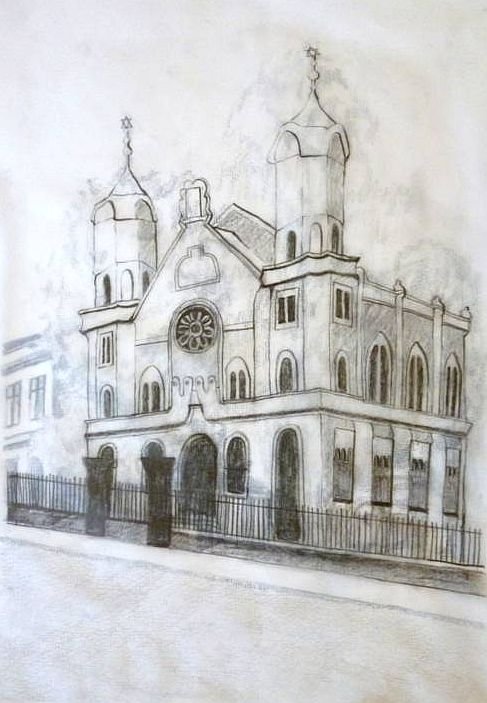
The synagogue stood in a garden plot on Mariánská street (now Hlávkova), close to the central square of Přívoz. It was a representative building in the Neo-Romanesque style with other historicist elements. According to the Ostrava city encyclopedia and archive, it combined red fair-faced brickwork with light plaster and had Romanesque paired windows. Its towers were crowned with Stars of David, and a Hebrew inscription ran over the entrance, clearly identifying the building as a temple. The plans were drawn by the building masters Ignatz Felix and Eugen Noë, and the Jewish master builder Viktor Sonnenschein of Přívoz carried out the construction. The total cost was 44,000 crowns. In 1936 the building lost its house number, as it was not used for housing.
Life inside the synagogue
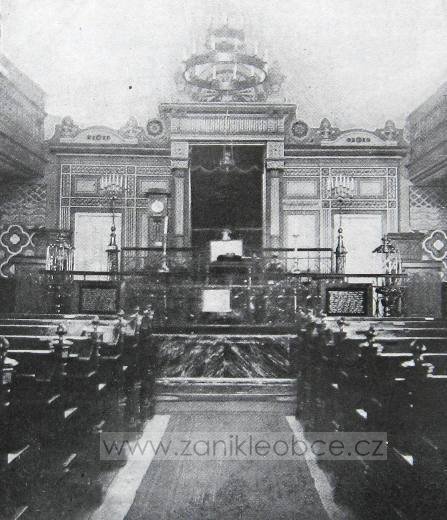
The synagogue was consecrated on 30 October 1904 by Jakob Spira, rabbi of Moravská Ostrava, whose community was closely linked with that of Přívoz. In the following decades services were led by a succession of cantors: Josef Sagher, Bernhard Ilmer and Arnold Schimkowitz. The building was a source of pride for a community that had grown in a single generation from a handful of families to several hundred people, and it remained one of the landmarks of Přívoz even after the town was merged into Greater Ostrava in 1924. Its Hebrew inscription over the door and the Stars of David on its towers made its purpose clear to everyone passing along one of the town's main streets.
Destruction
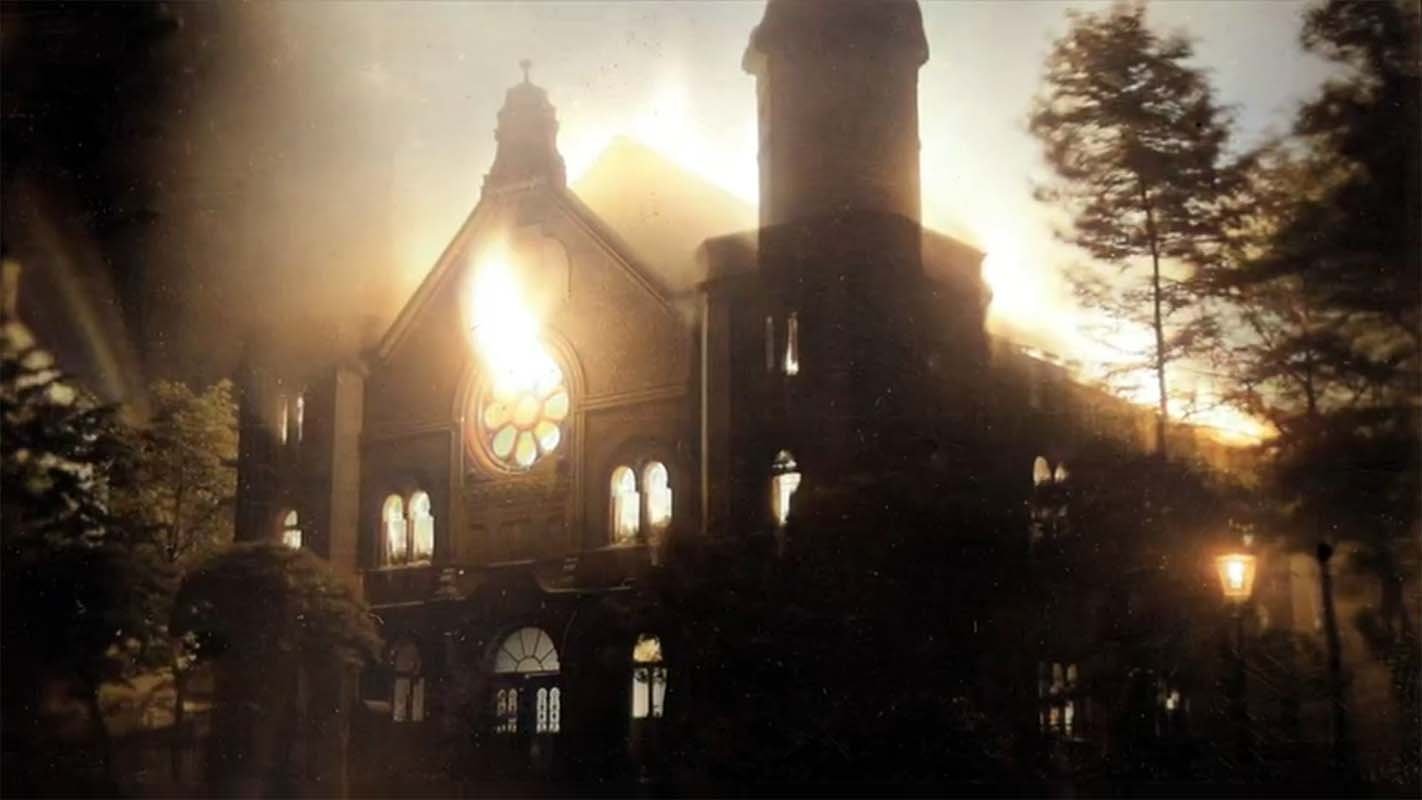
German troops occupied Ostrava on 14 March 1939, a day before the rest of Bohemia and Moravia. Synagogues and other buildings closely linked with the Jewish community became targets of the first wave of violent antisemitism. On the night of 9–10 June 1939 Nazis set the Přívoz synagogue on fire; a few days later, on the night of 12–13 June, the synagogues of Moravská Ostrava were burned as well. After an official inspection found the building seriously damaged, the authorities demanded that the Jewish community apply for permission to rebuild or demolish it, which the crippled community could not do. A demolition order followed. Demolition began in November 1939 and was completed in 1940. The earlier listing said it was blown up, but the sources consulted describe arson followed by demolition.
The community’s fate
After the German occupation of March 1939, the Jews of Přívoz and the whole Ostrava region were subjected to the Nazi racial laws of the Protectorate. In October 1939 Ostrava was the starting point of the first deportations of Jews from the Protectorate, to Nisko in occupied Poland, and from 1941–1942 the remaining Jews of the region were deported through Terezín to the ghettos and extermination camps in the east. Most of them were murdered. The Přívoz community was never re-established after the war, and today no trace of the synagogue remains on Hlávkova street. A small Jewish community was re-formed in Ostrava itself after the war.
The site today
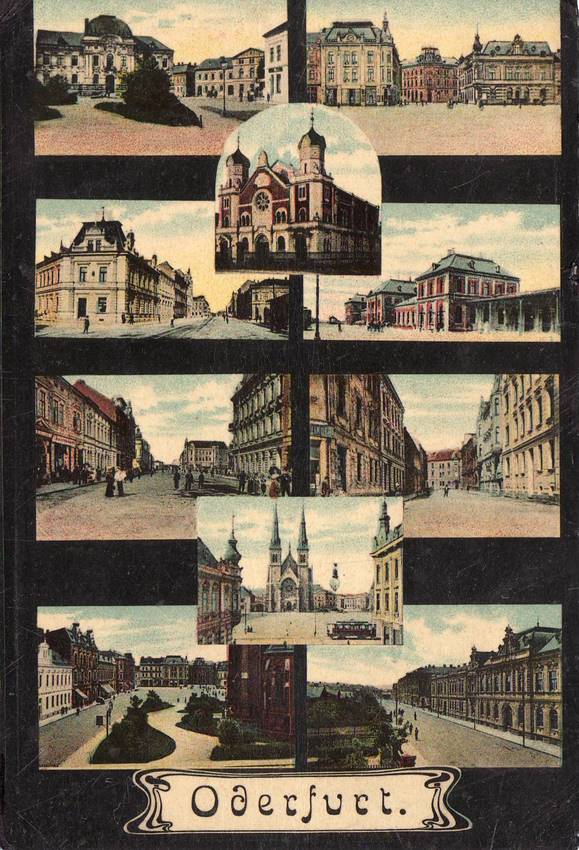
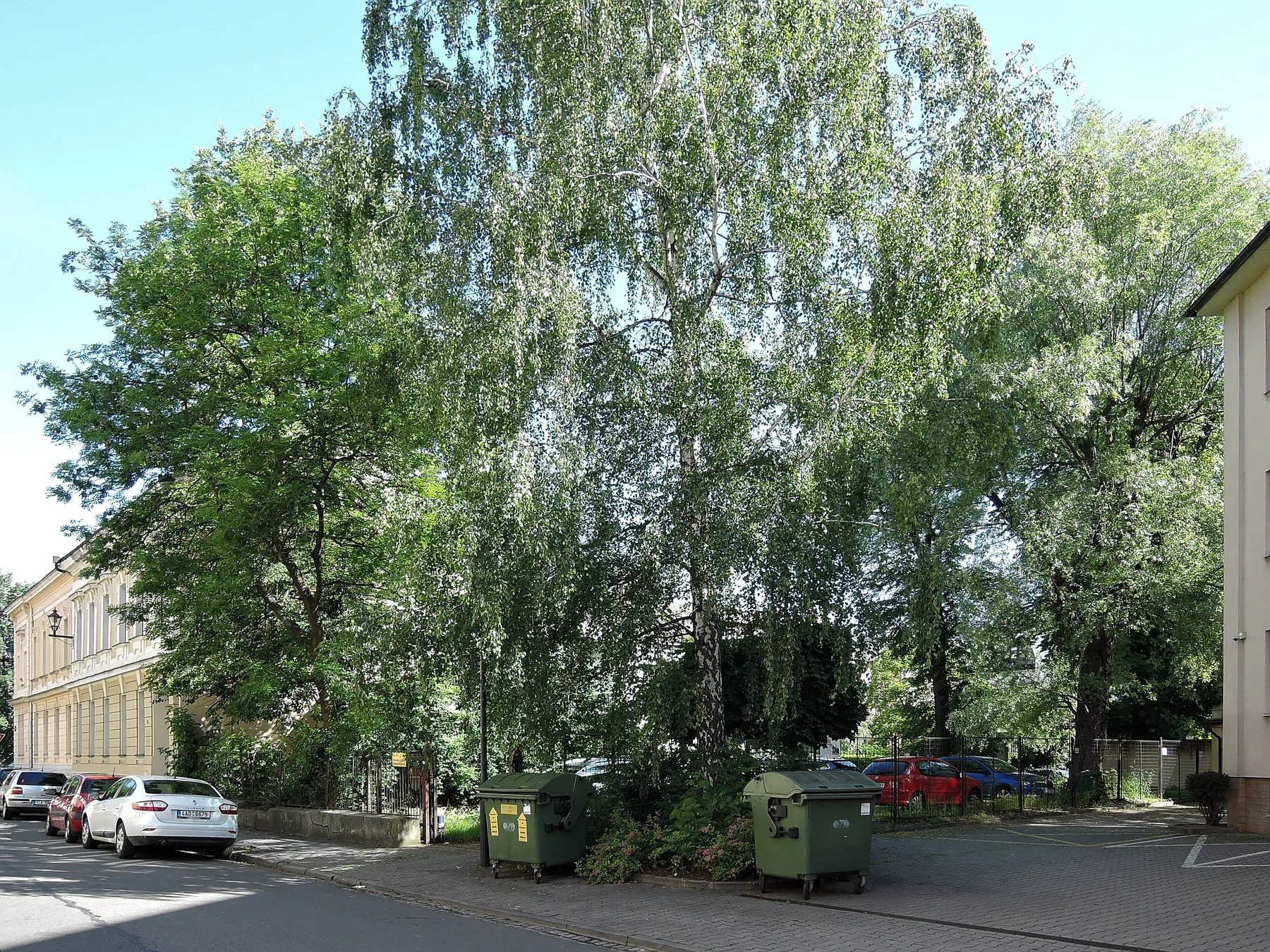
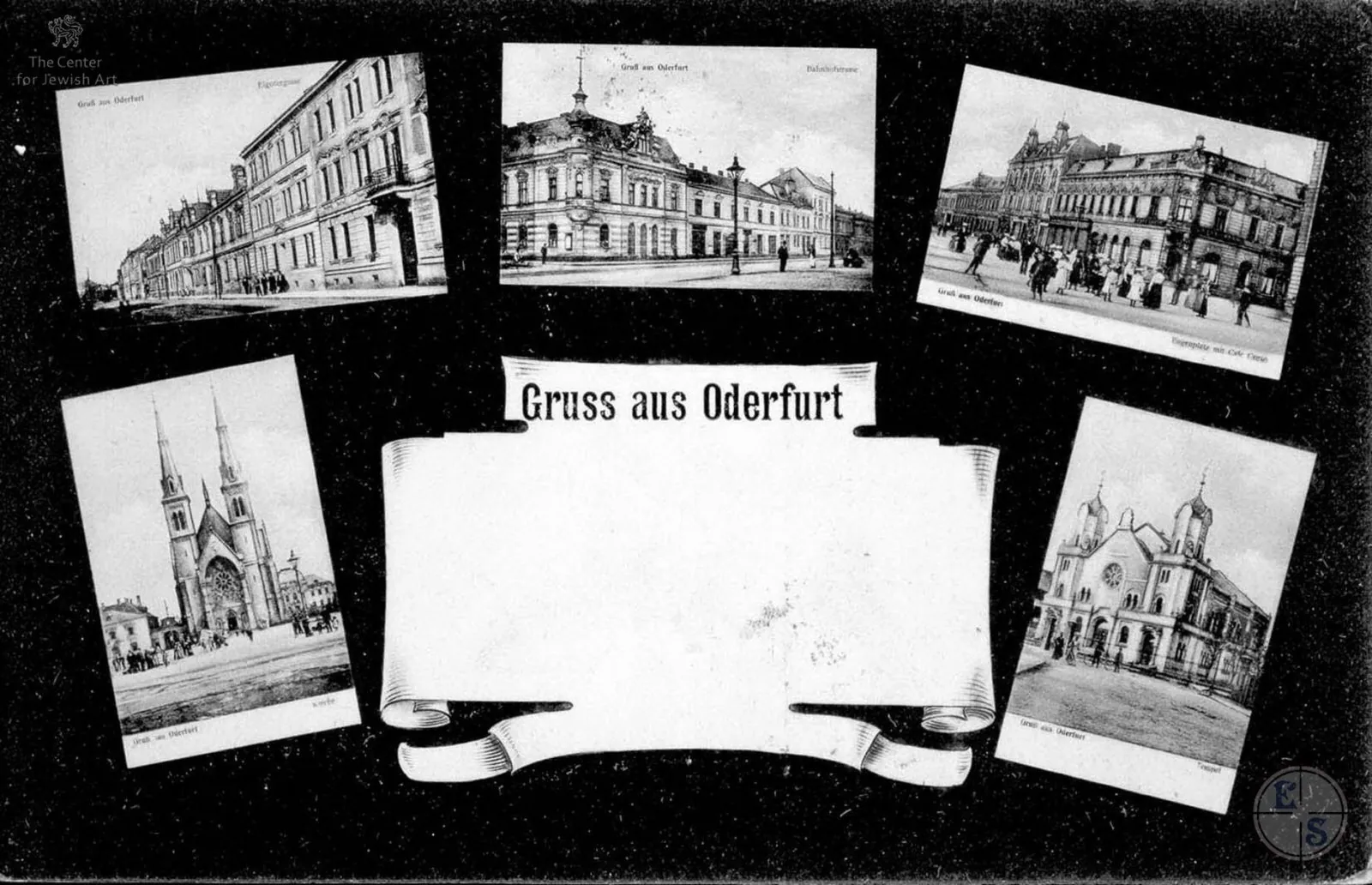
Nothing of the synagogue survives. It stood on today's Hlávkova street (formerly Mariánská), house no. 614, near the central square of Přívoz in Ostrava. The site is now a small tree-lined open space beside the street, used partly for parking. The synagogue's appearance is known from photographs in the Ostrava City Archive and from postcards of Oderfurt published before 1918. The sources consulted for this entry do not mention a memorial on the site; the main synagogue of Moravská Ostrava, burned a few days later, is commemorated by a plaque in the city centre.
Notable names
Jakob Spira
19th–20th centuryRabbi of Moravská OstravaRabbi Jakob Spira of Moravská Ostrava, the neighbouring and larger Jewish community, consecrated the new synagogue of Přívoz on 30 October 1904. The Přívoz congregation was closely linked with Moravská Ostrava, whose leaders, including the brewery owner Markus Strassmann, helped fund the building of the temple.
Biography or source →Viktor Sonnenschein
19th–20th centuryBuilderViktor Sonnenschein was a Jewish master builder in Přívoz. He constructed the synagogue in 1904 on Mariánská street, today Hlávkova, to plans by the building masters Ignatz Felix and Eugen Noë, at a total cost of 44,000 crowns. The building combined red brick and pale plaster with Romanesque windows and towers topped by Stars of David.
Biography or source →Do you have something to contribute?
Photographs, documents, family stories or memories of this synagogue and its community help keep its history alive.
Share a memory or thought
No comments yet. Be the first to add one.