
The story of Great Synagogue of Rașcov
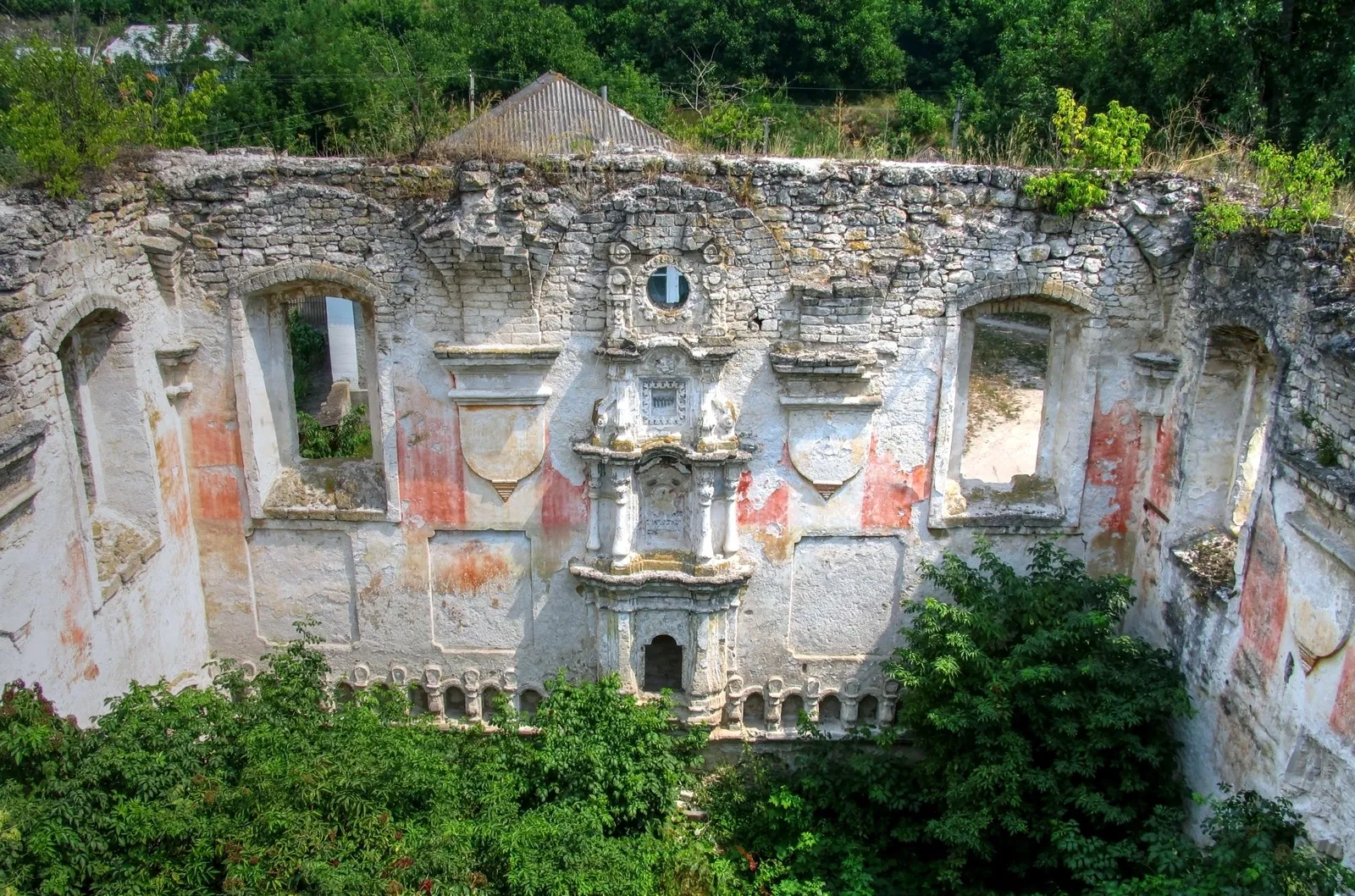
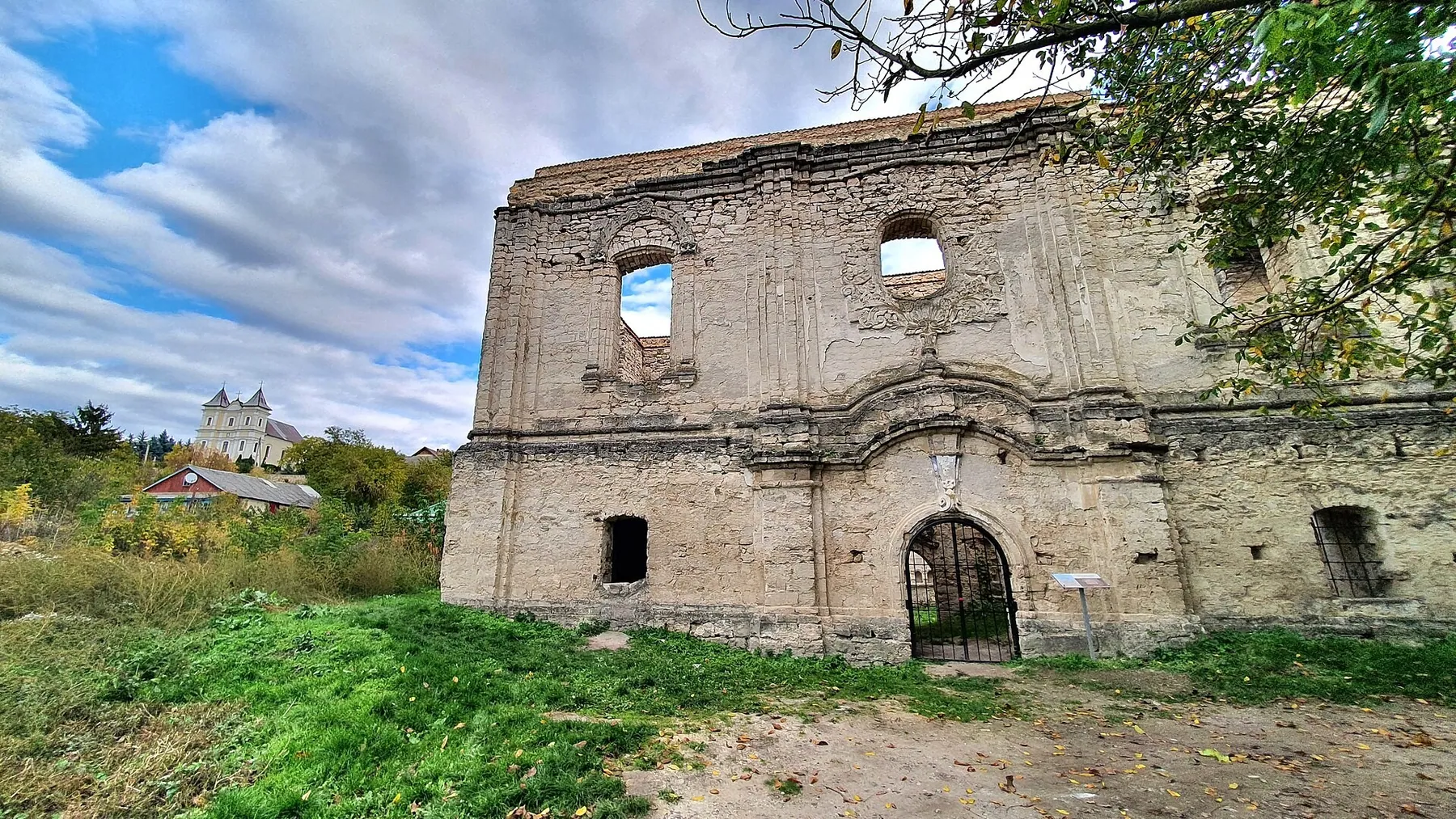
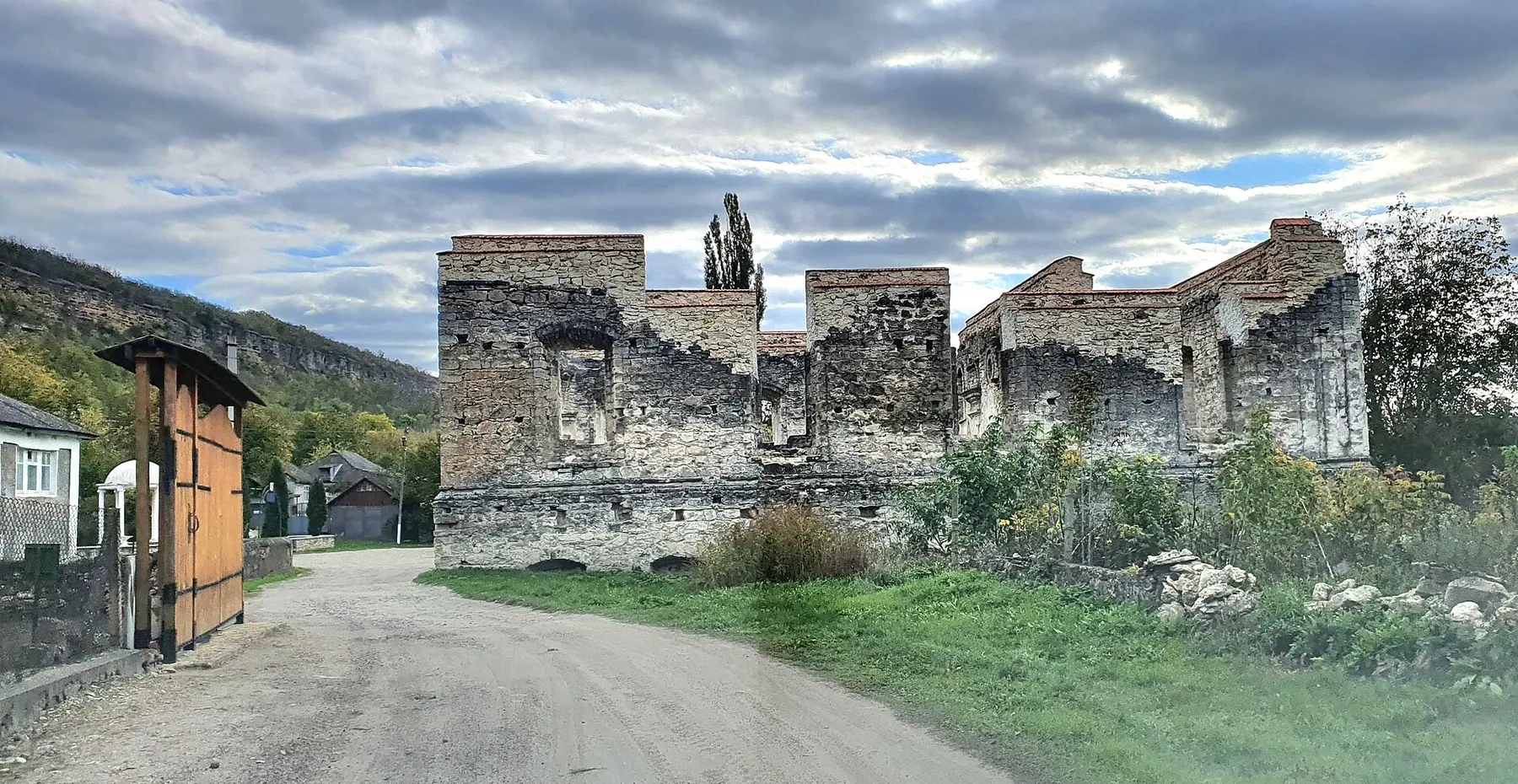
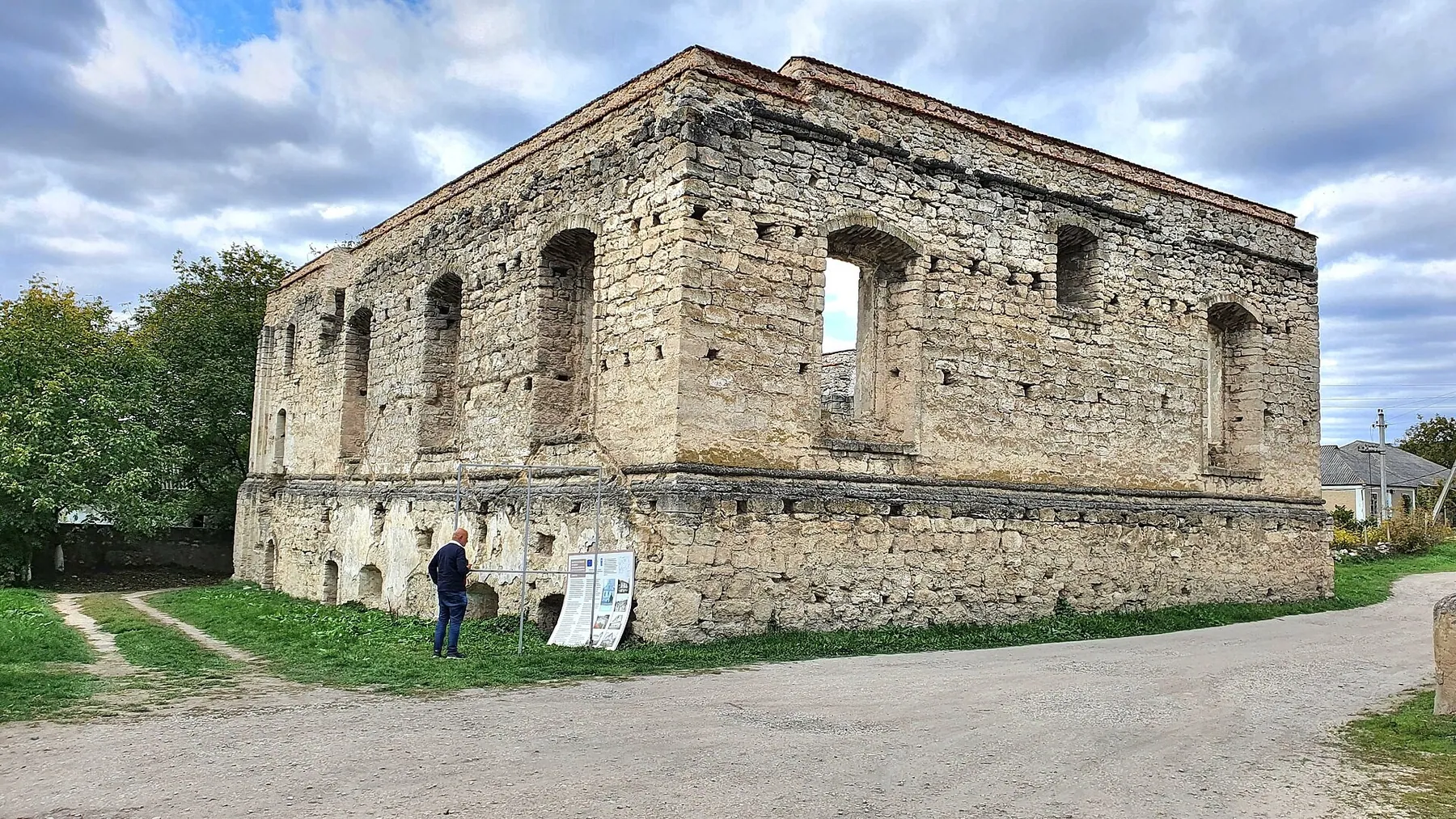
The synagogue stands in the centre of Rașcov (Rashkov), a former market town on the left bank of the Dniester in the Camenca district, now in the breakaway Transnistrian region of Moldova. It was built in 1749, financed by the korobka, the community's 'box collection' tax, at a time when the town belonged to the Polish-Lithuanian Commonwealth and its Lubomirski owners were also planning a stone Catholic church. Built of stone in the Baroque manner with Rococo ornament, it had a men's prayer hall and, over a western vestibule, a two-storey women's section. The rabbi Yaakov Yosef of Polonne, a leading disciple of the Baal Shem Tov, served in Rashkov around the time it opened, and the town became an important centre of early Hasidism. A town fire in 1847 badly damaged the building. Around 1929 to the early 1930s, during the Soviet anti-religious campaign, the authorities destroyed its vaults and it ceased to function; the local Hasidic court moved across the river to Vadul-Rașcov in Romanian Bessarabia. In 1941 Romanian forces occupied the town and murdered much of its Jewish population. The roofless shell, with its carved stone decor and the ark wall, was described in a United States heritage survey as the most impressive Jewish building in Moldova, and was conserved with European Union support in 2022.
Where it stood for nearly 190 years
Bazarnaya Street (Базарная улица), Rașcov (Rashkov), Camenca district, Transnistria (left bank of the Dniester), Moldova
Open larger map →The Jewish community
Rashkov is counted among the oldest Jewish settlements in Moldova, and by the mid-seventeenth century Jews lived there alongside Ukrainians, Poles and Armenians. The town was a busy river port and market on the Dniester, and much of its trade was in Jewish hands. In the eighteenth century it was a cradle of Hasidism: Rabbi Shabtai of Rashkov, a disciple of the Baal Shem Tov, founded a rabbinic dynasty that lasted until the Second World War, and Yaakov Yosef of Polonne served as rabbi in the town. In 1901 about 1,500 Jews lived there; by 1914 the figure was over 2,000, with four synagogues, around 50 shops, a pharmacy, a tannery and a mill. Before the Second World War Jews made up about half of the town's population.
Architecture and design
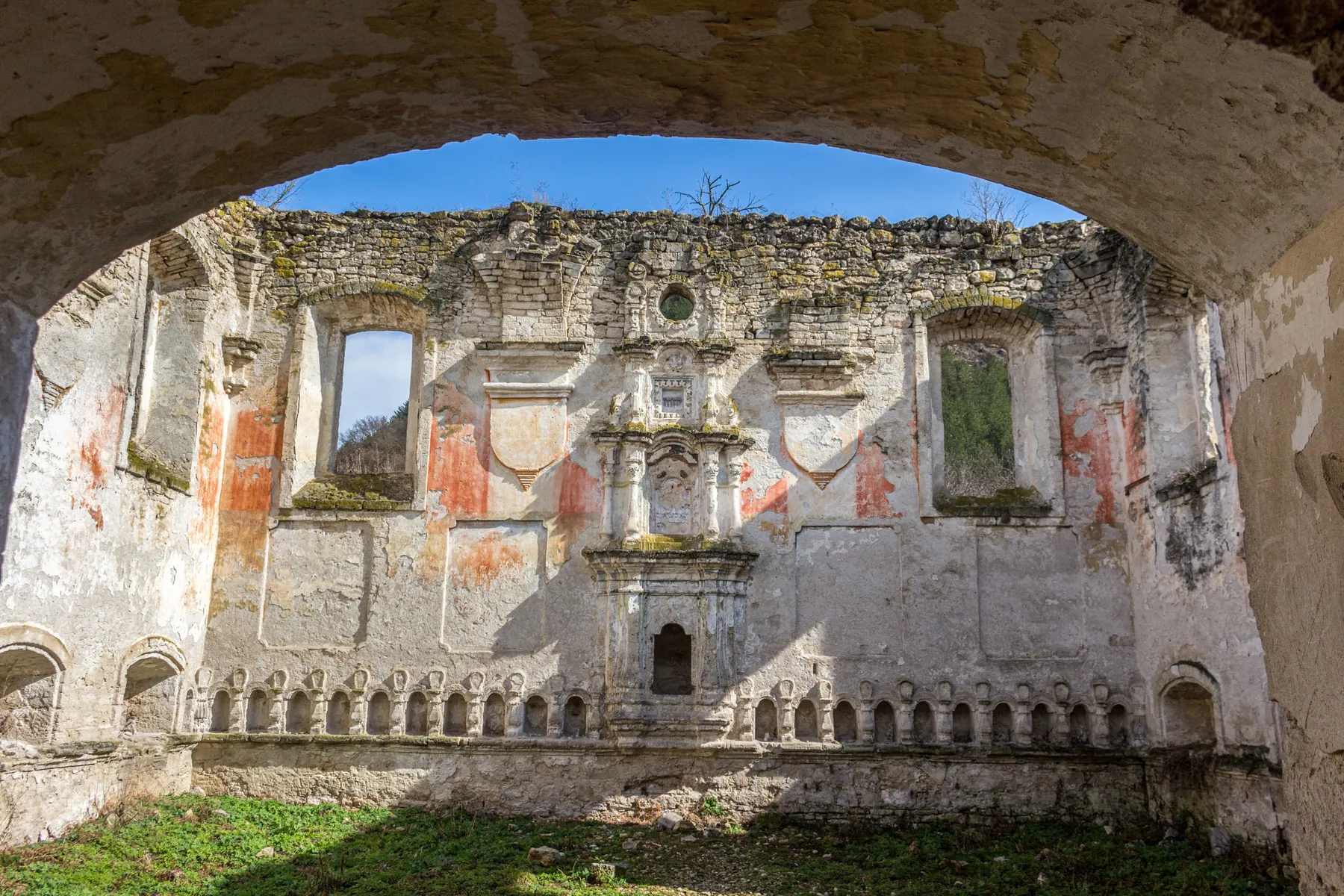
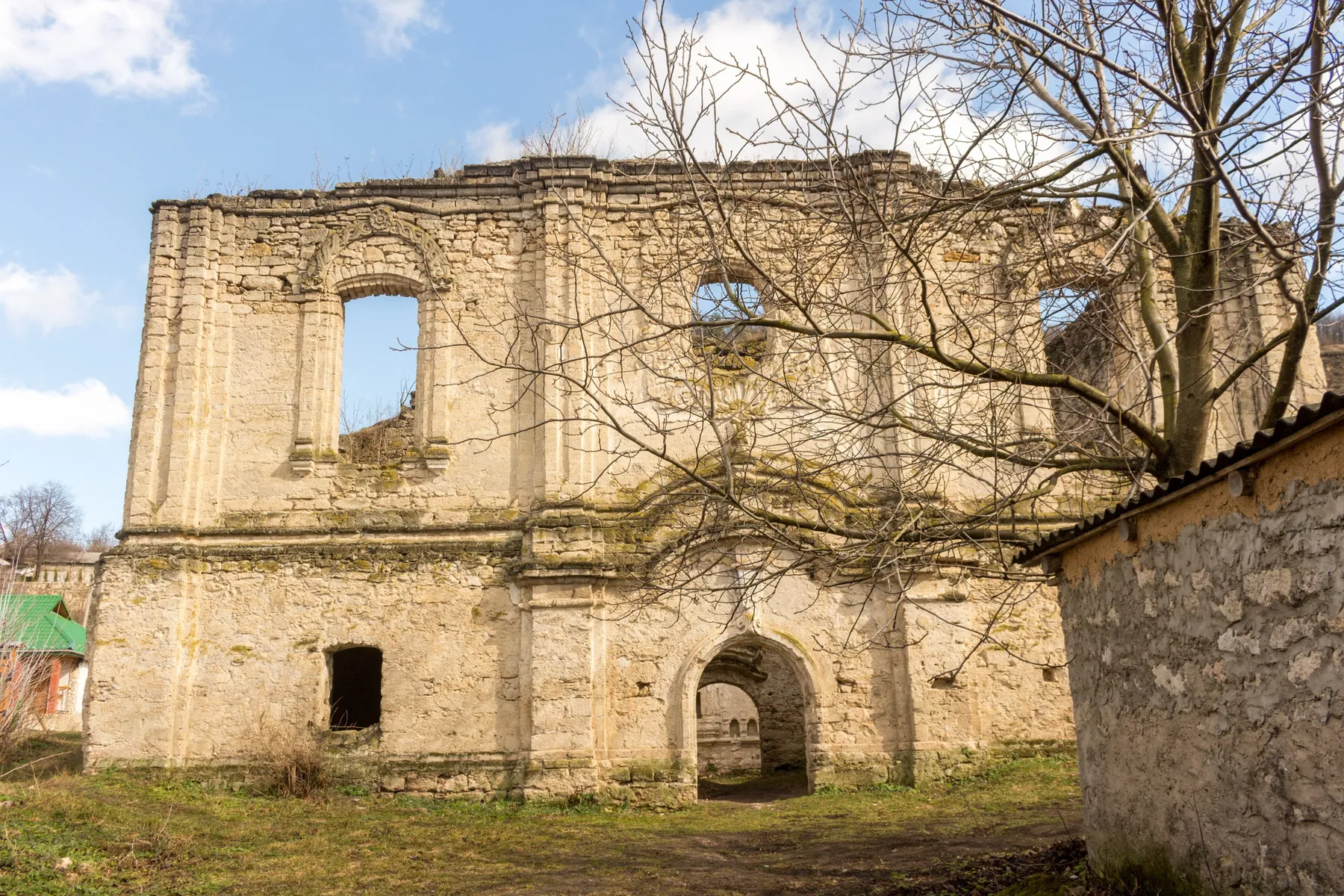
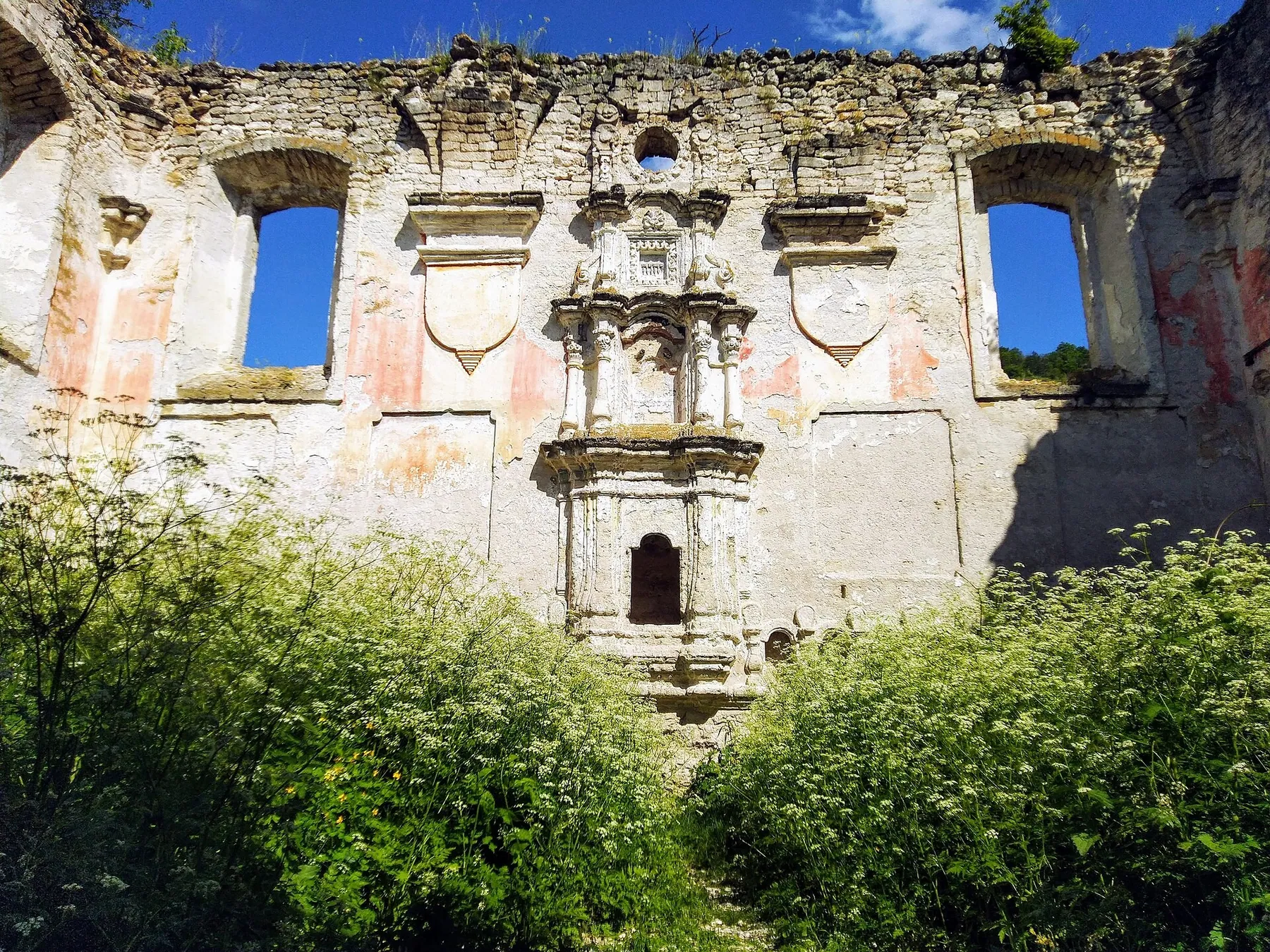
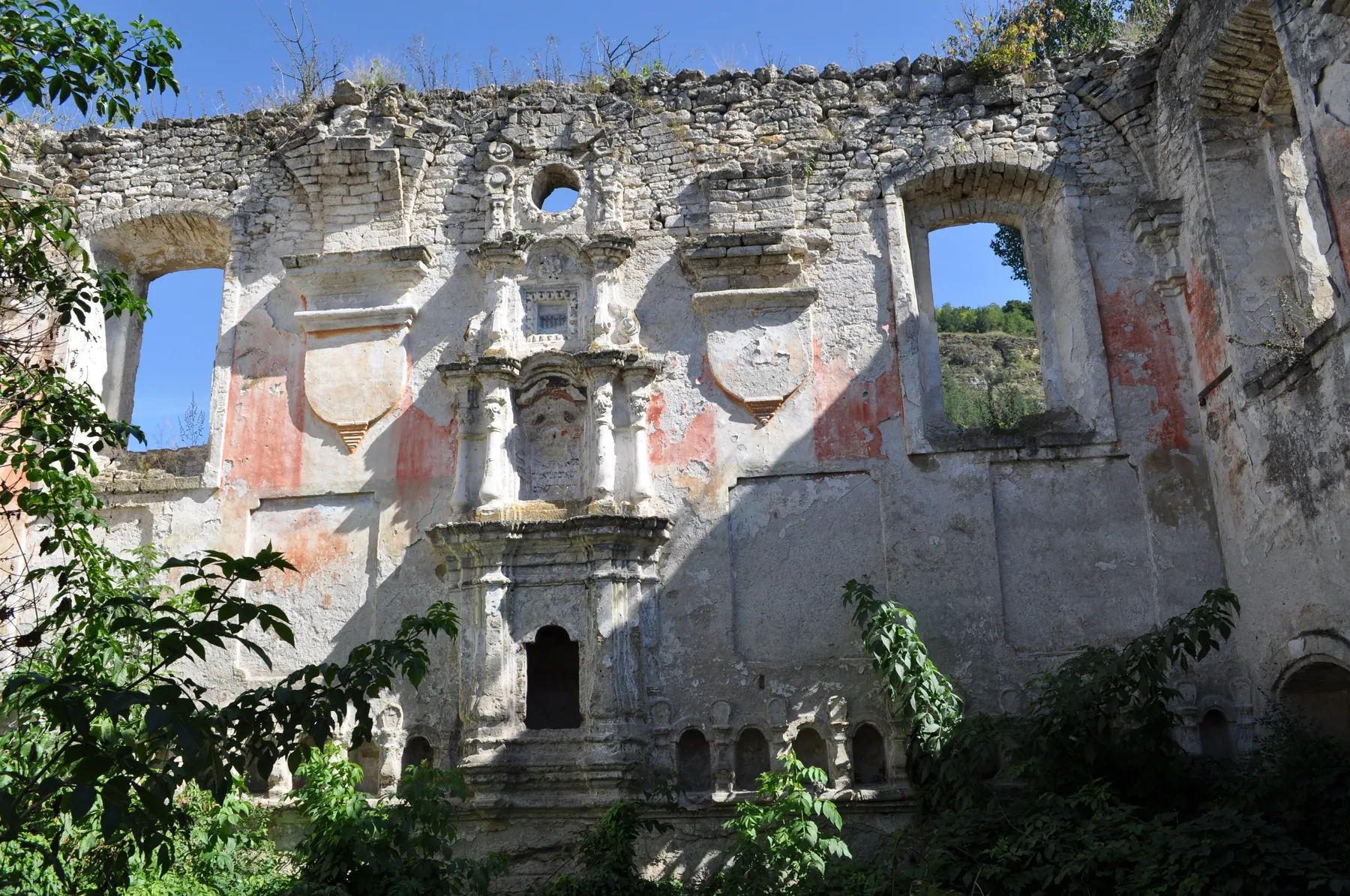
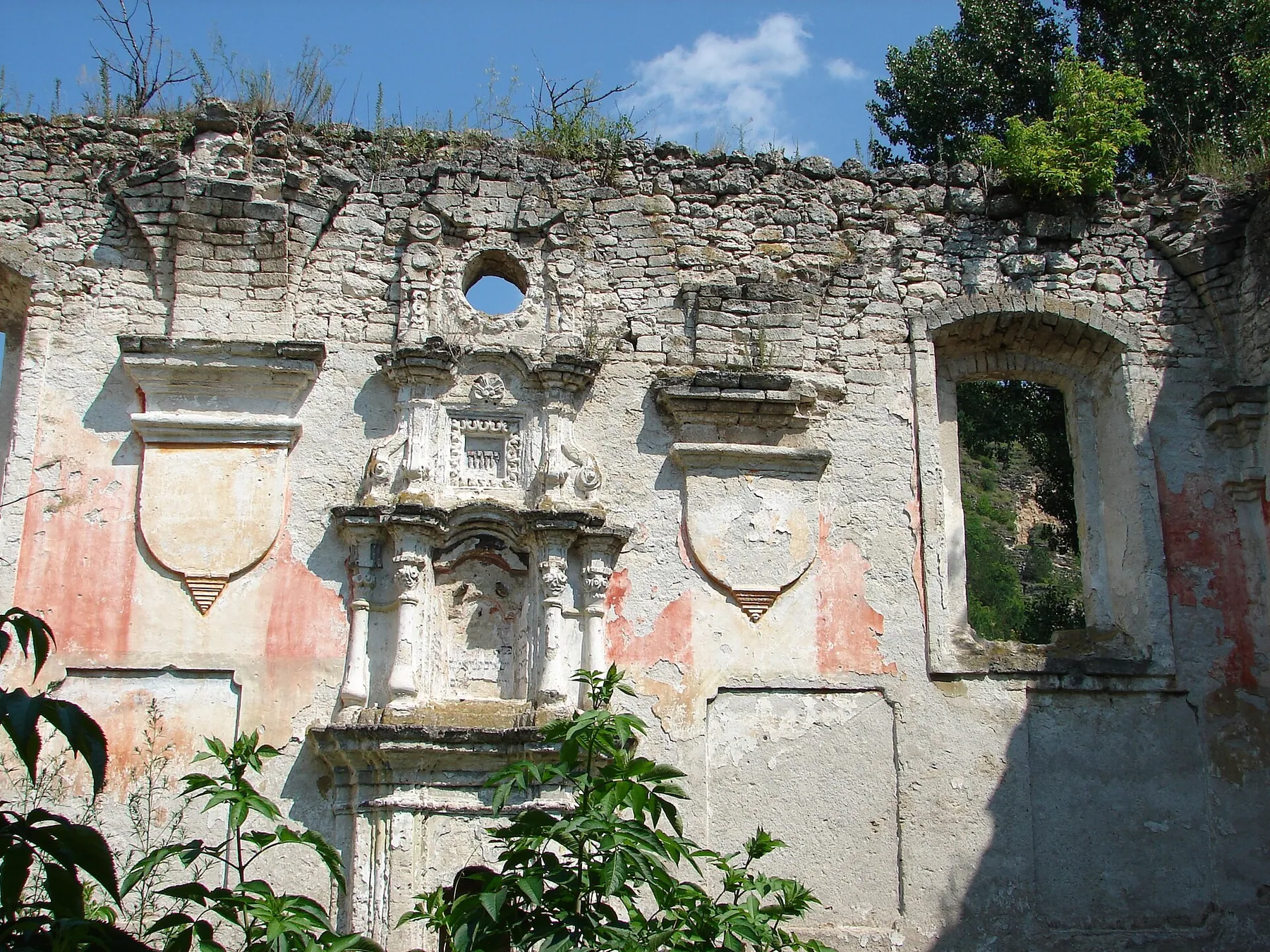
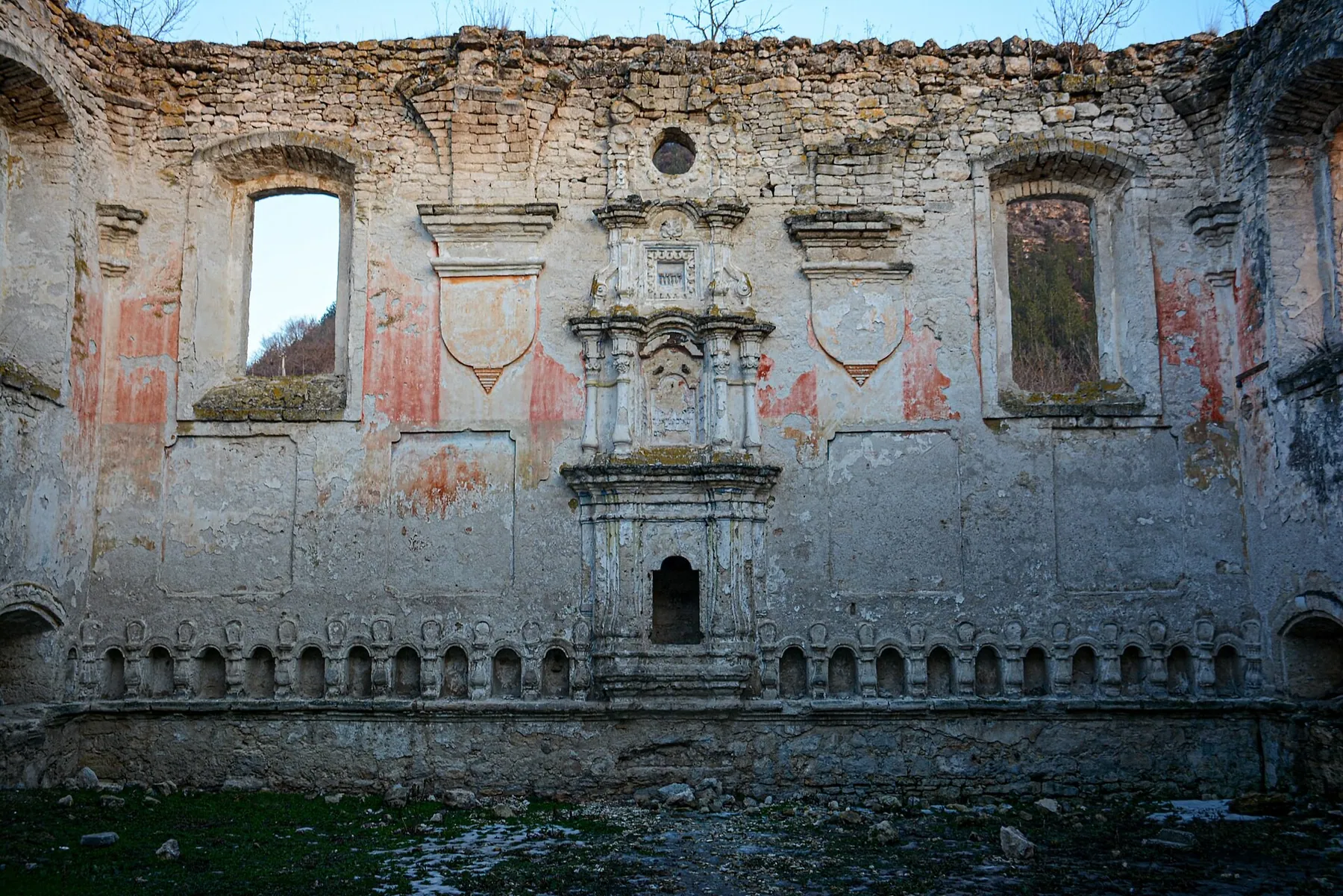
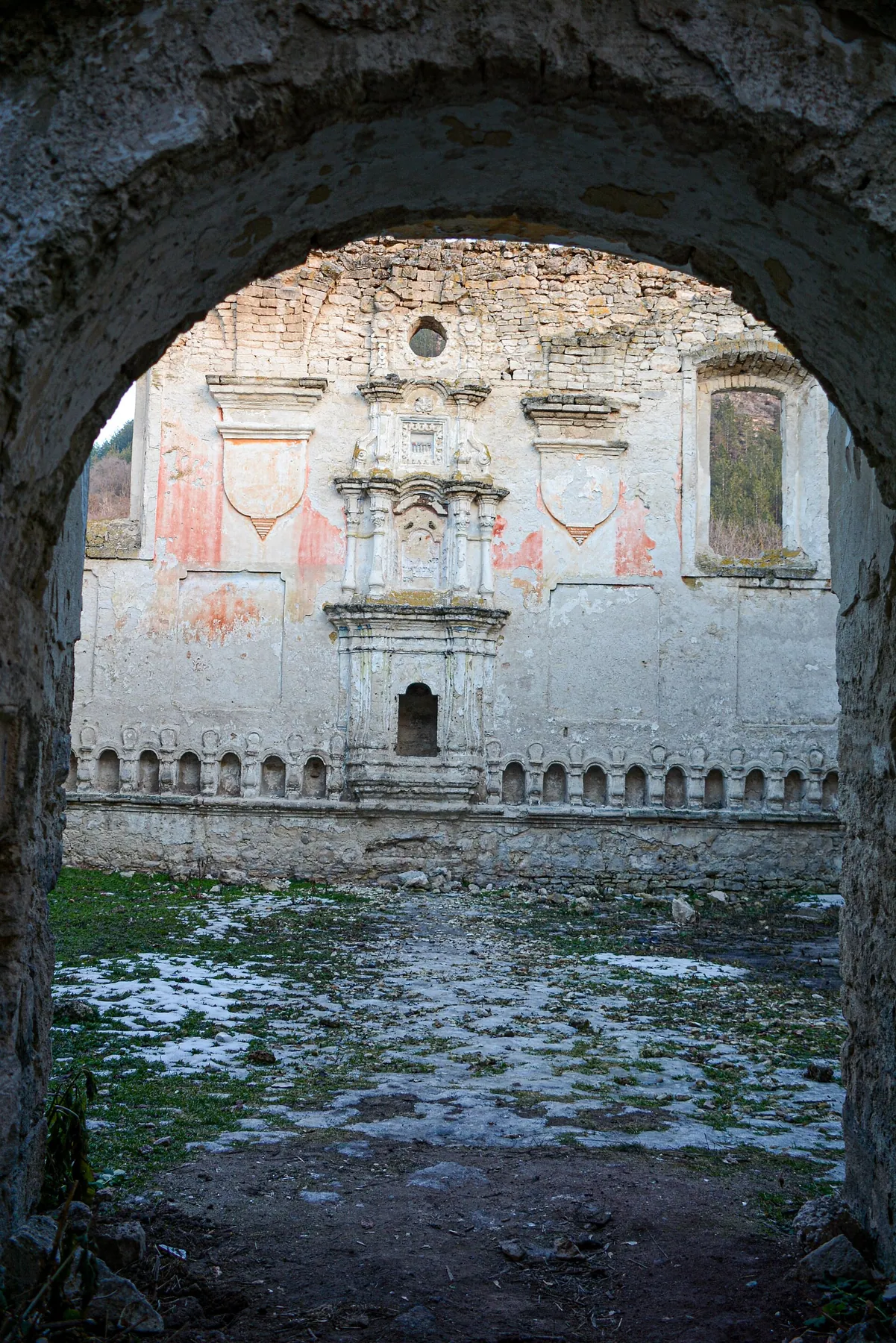
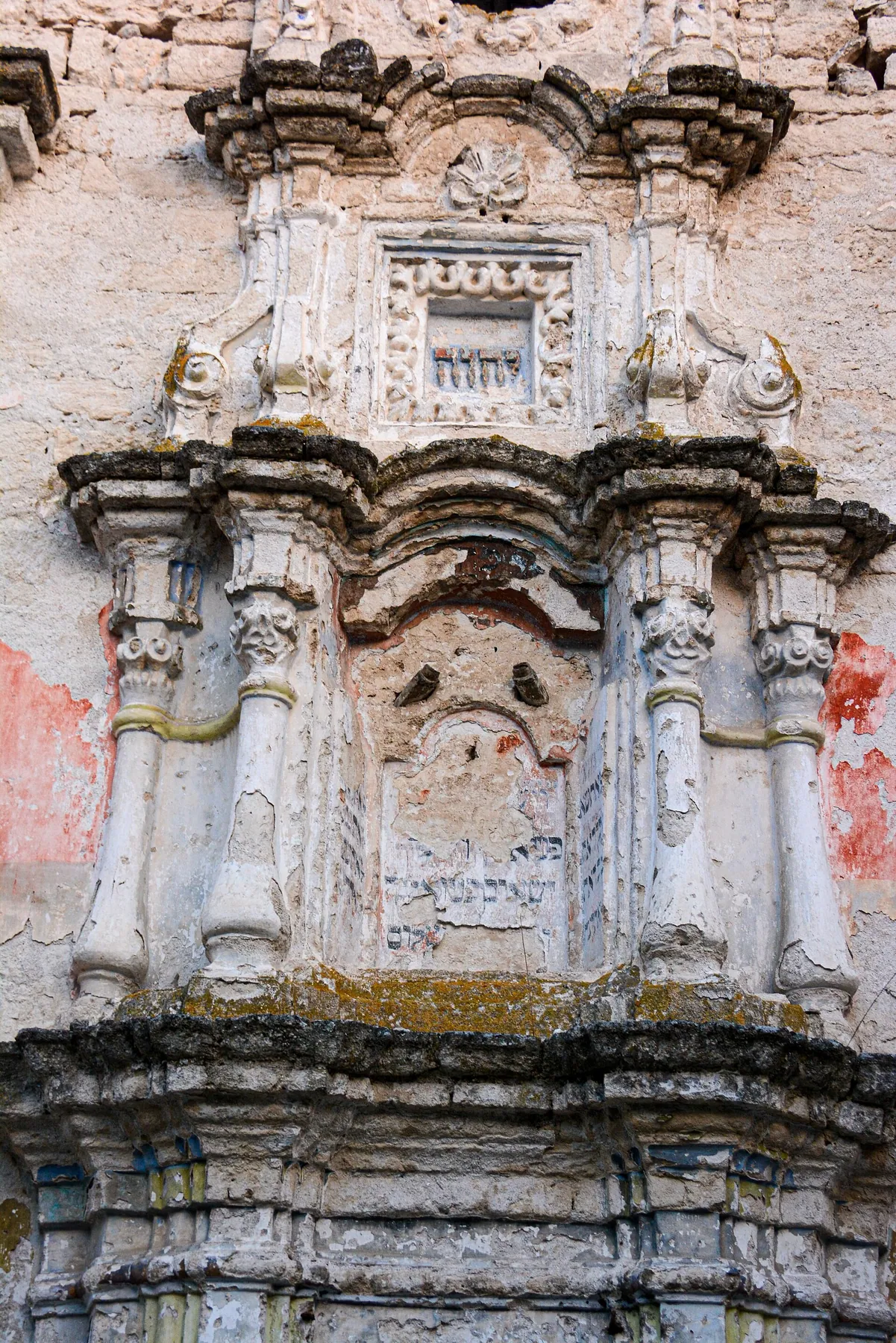
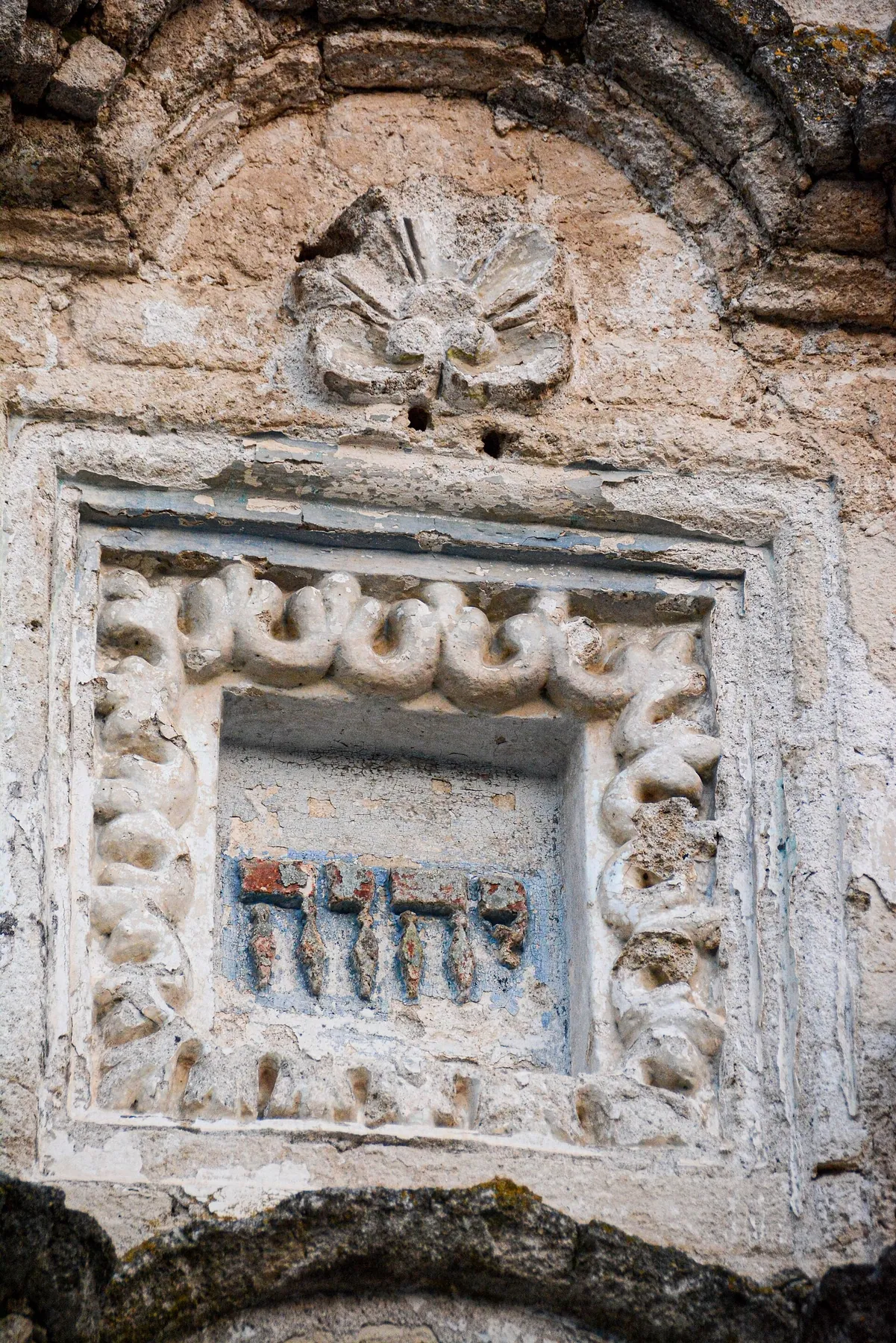
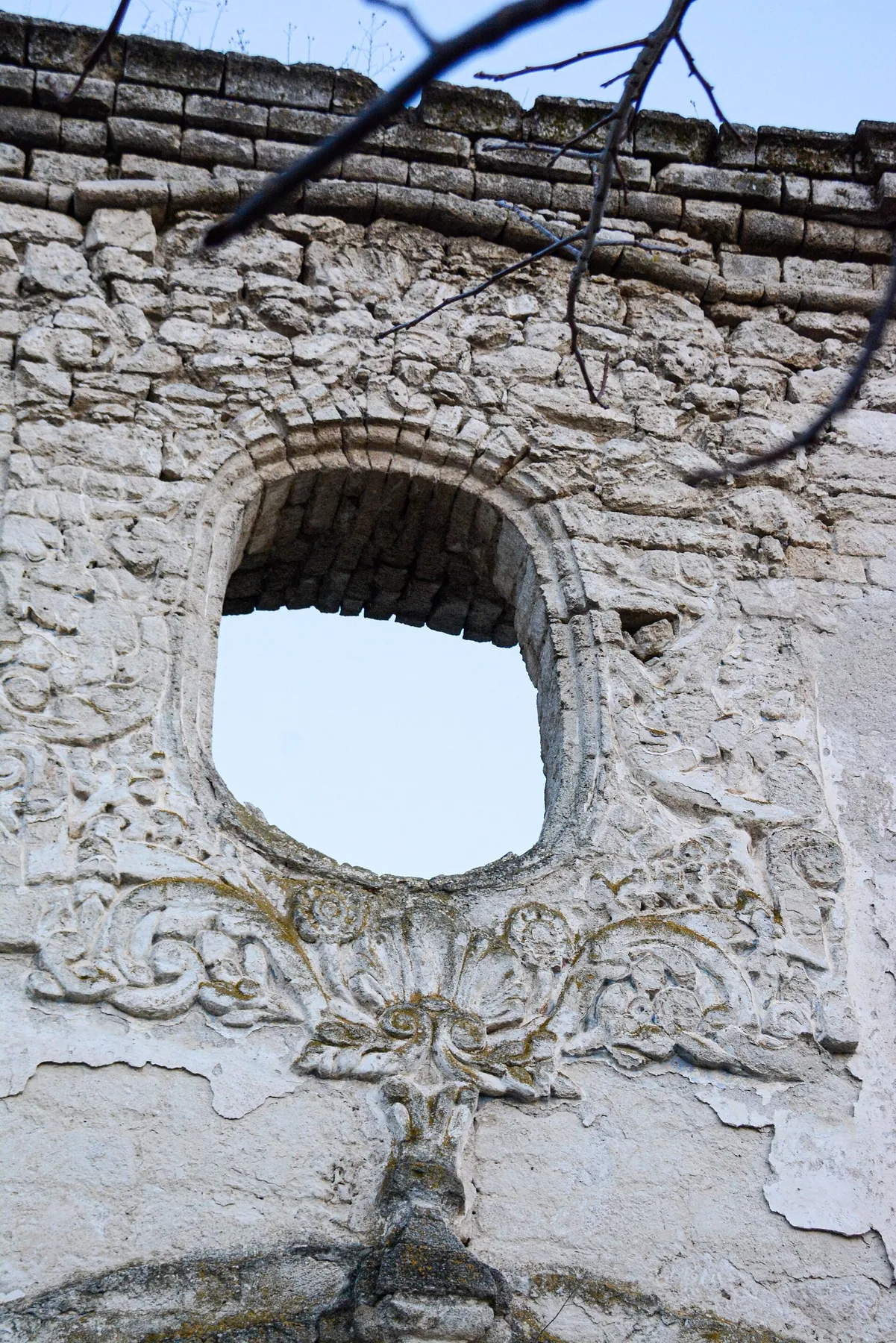
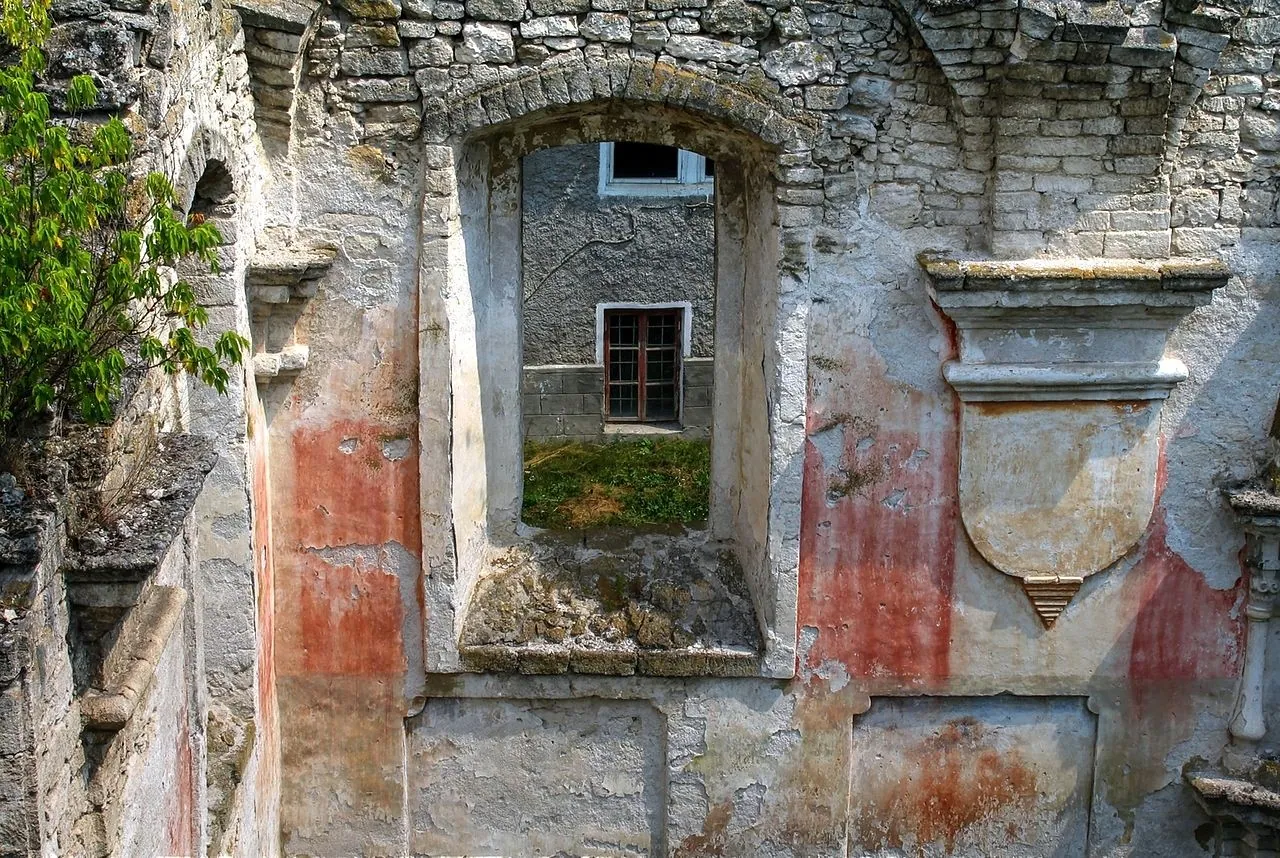
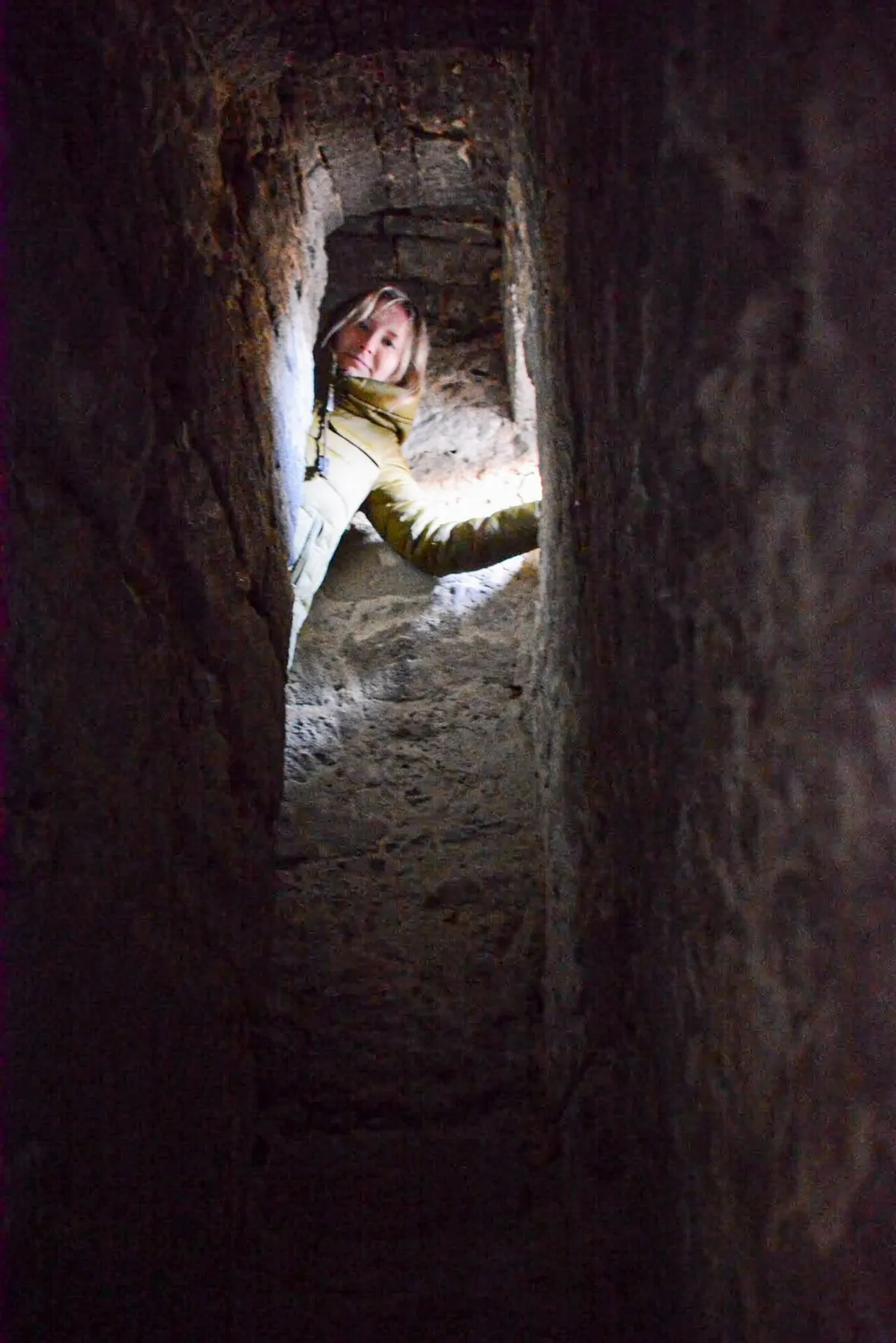
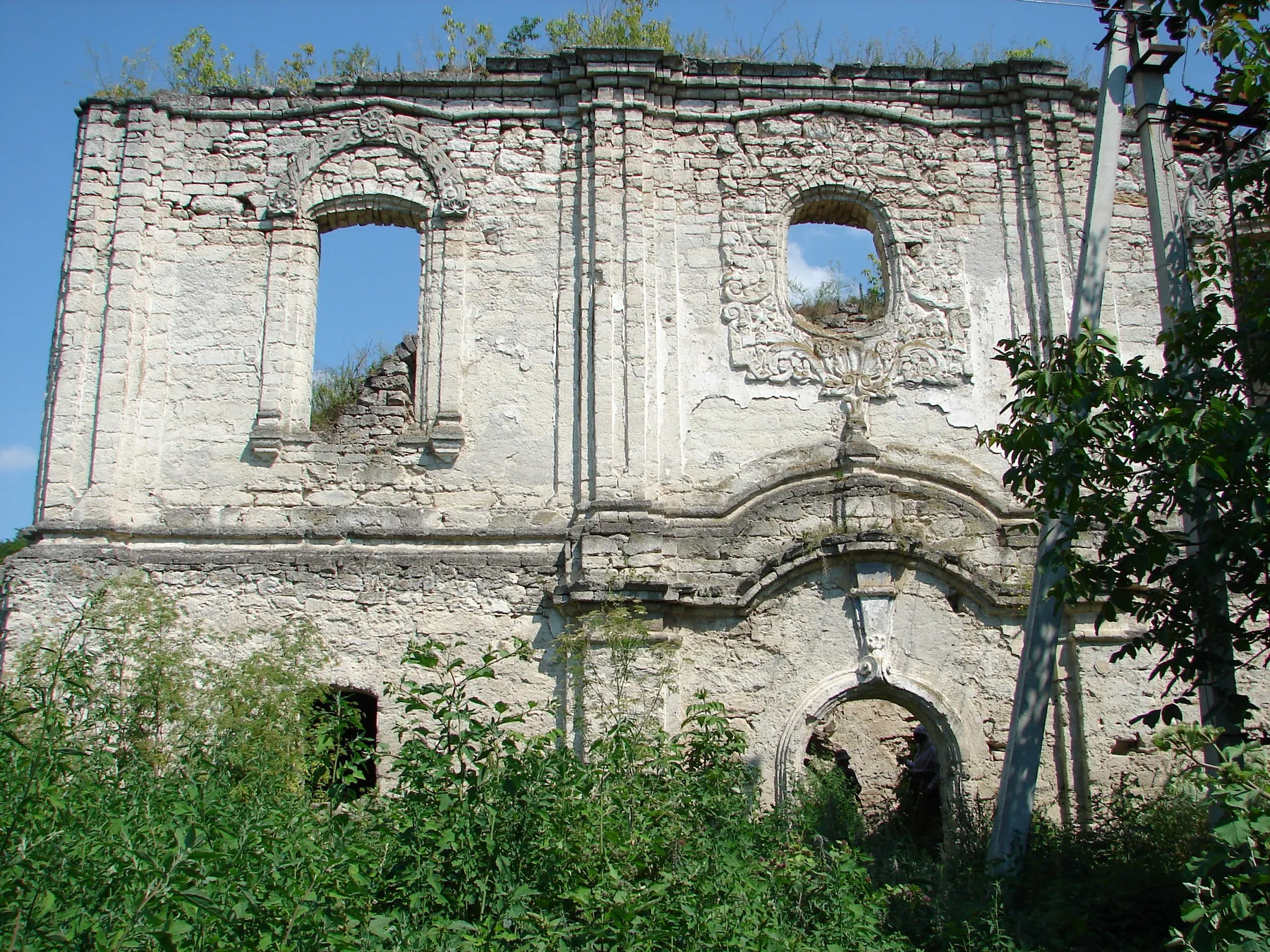
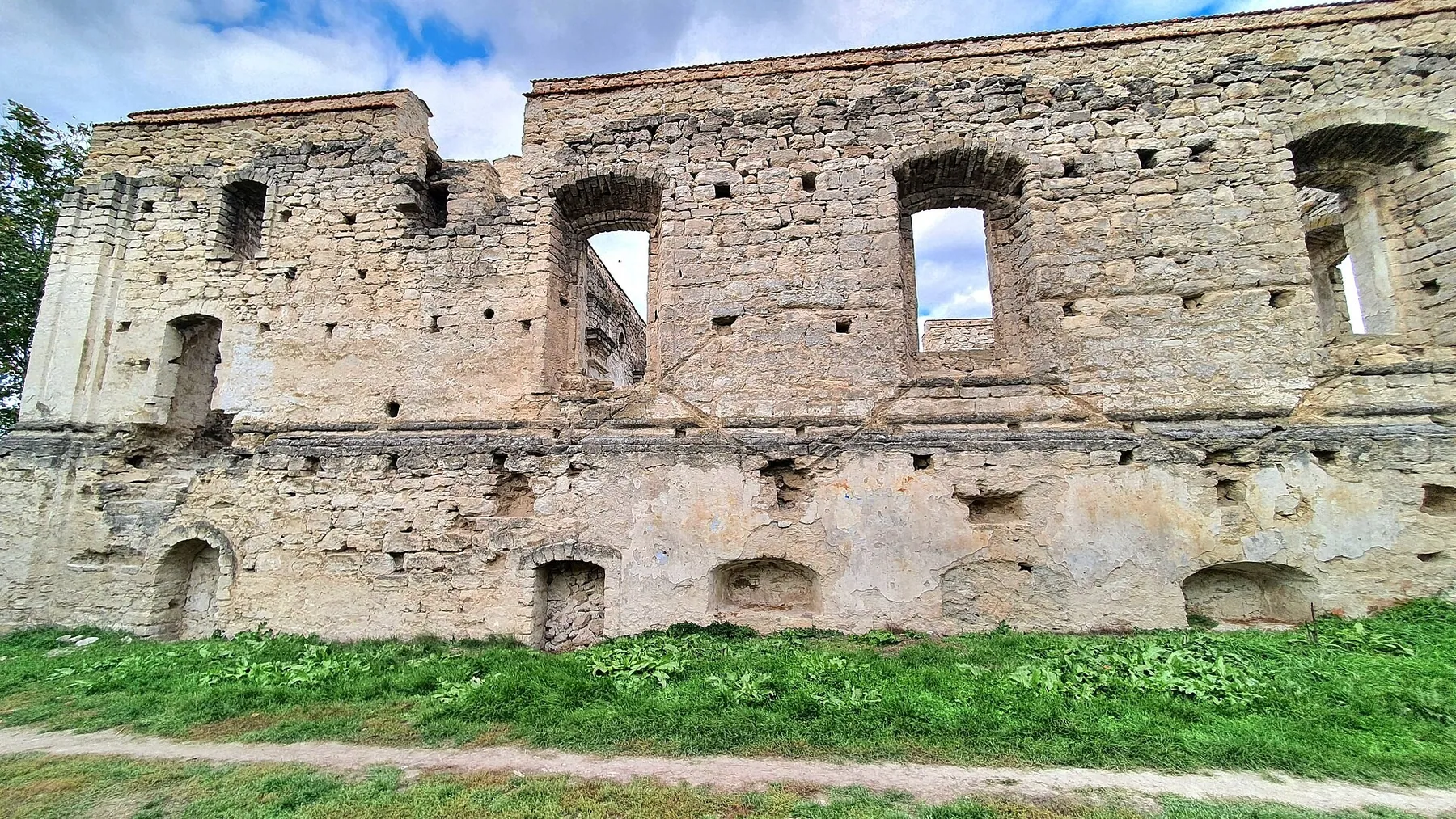
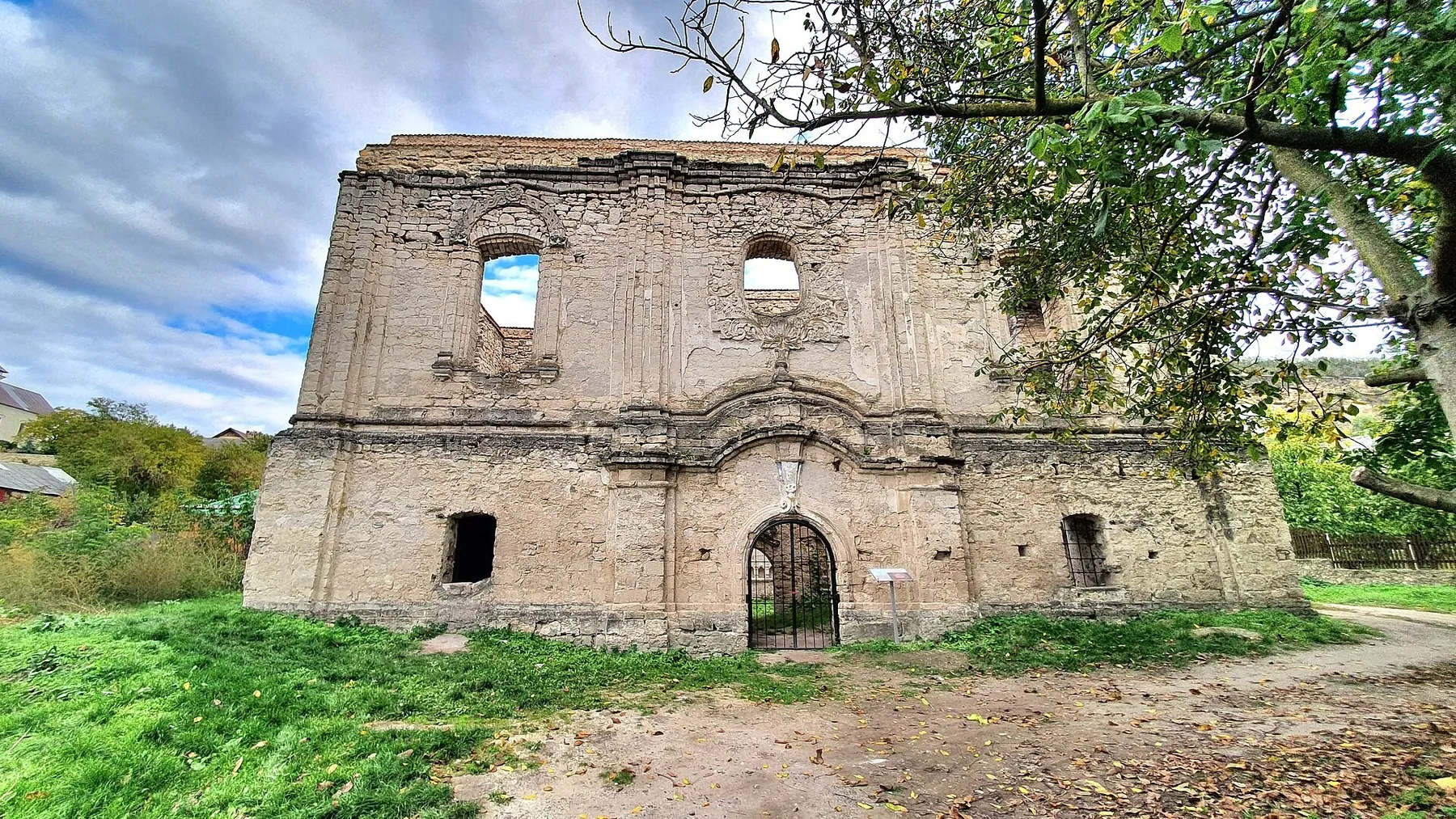
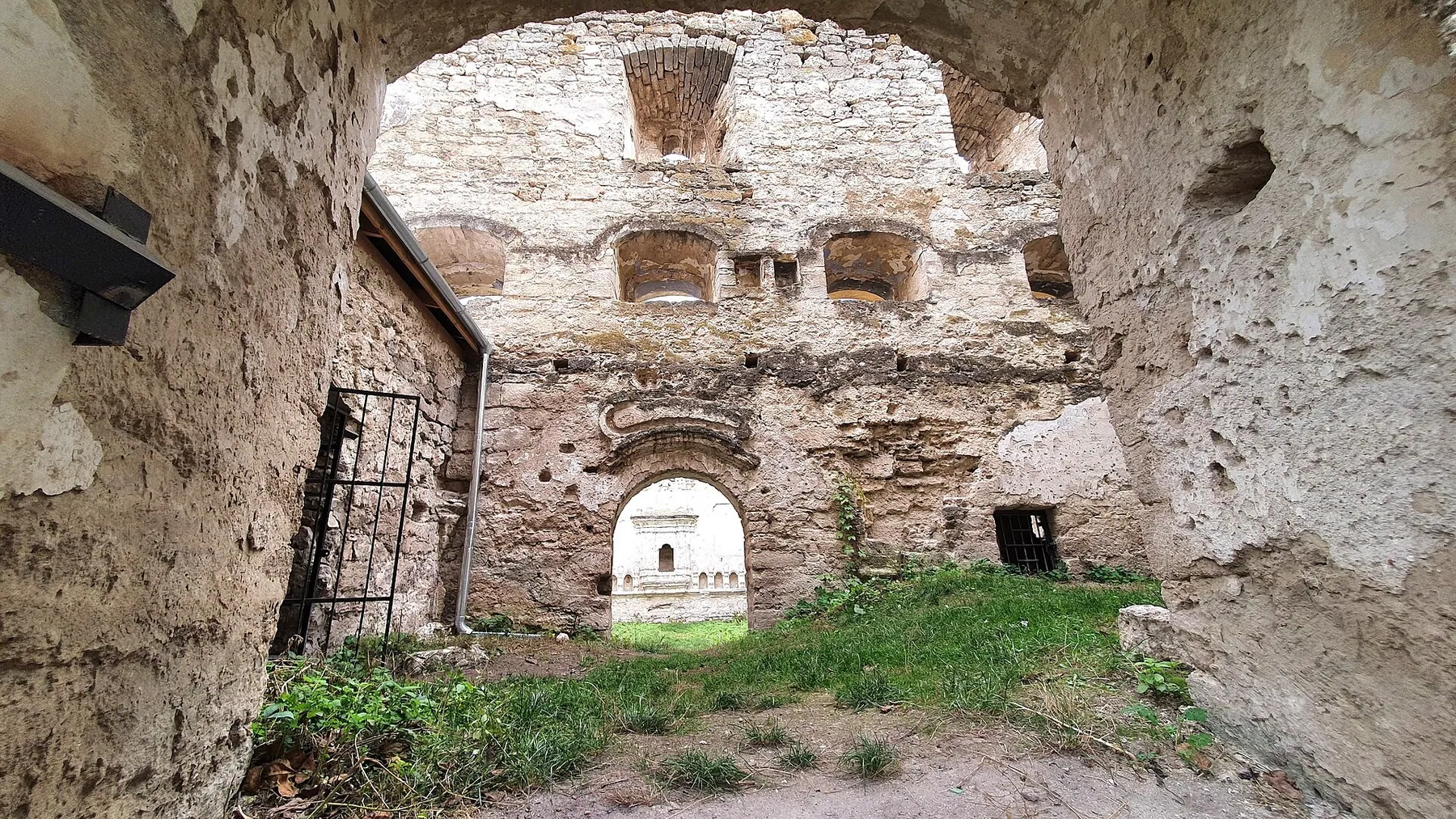
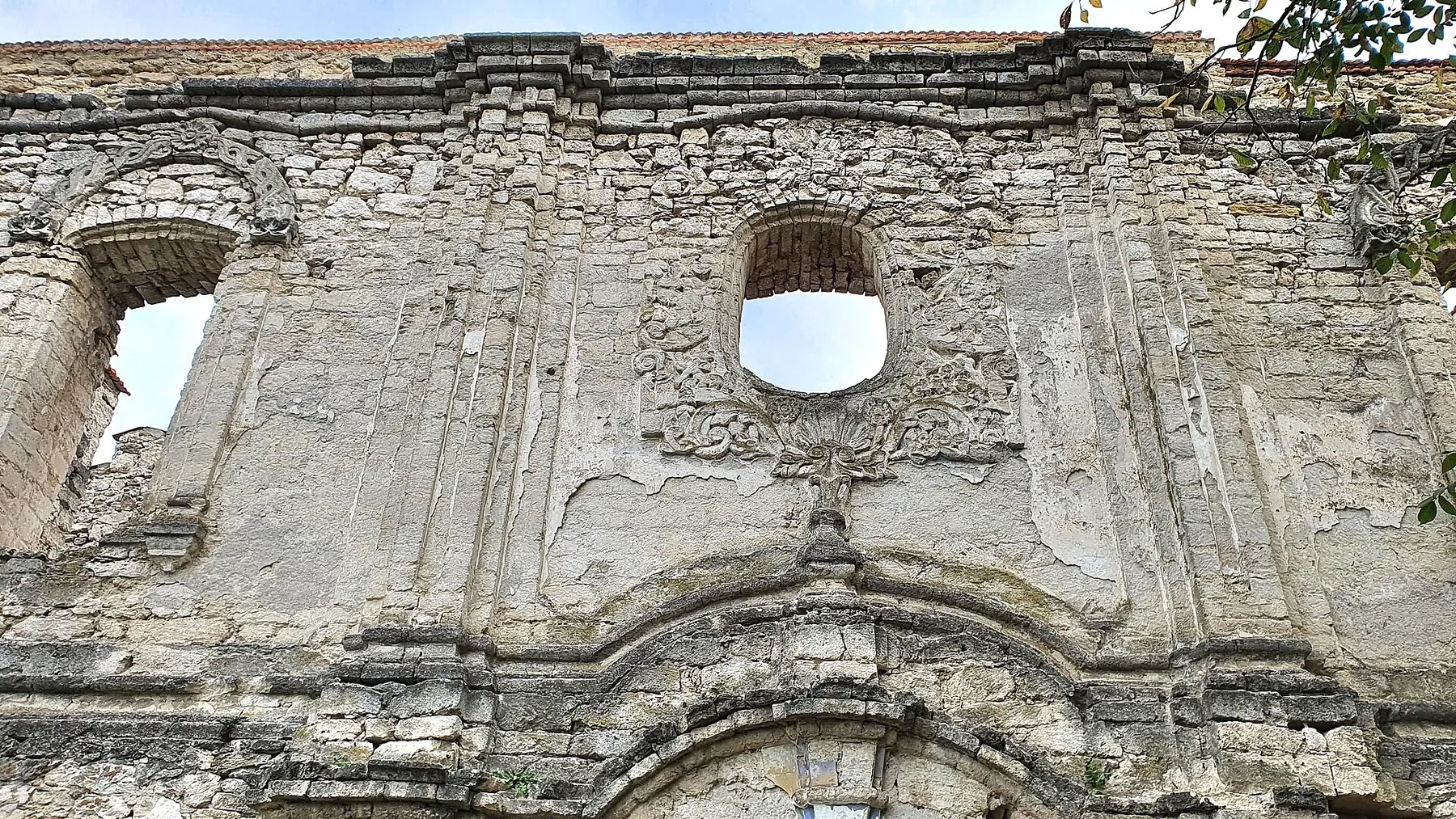
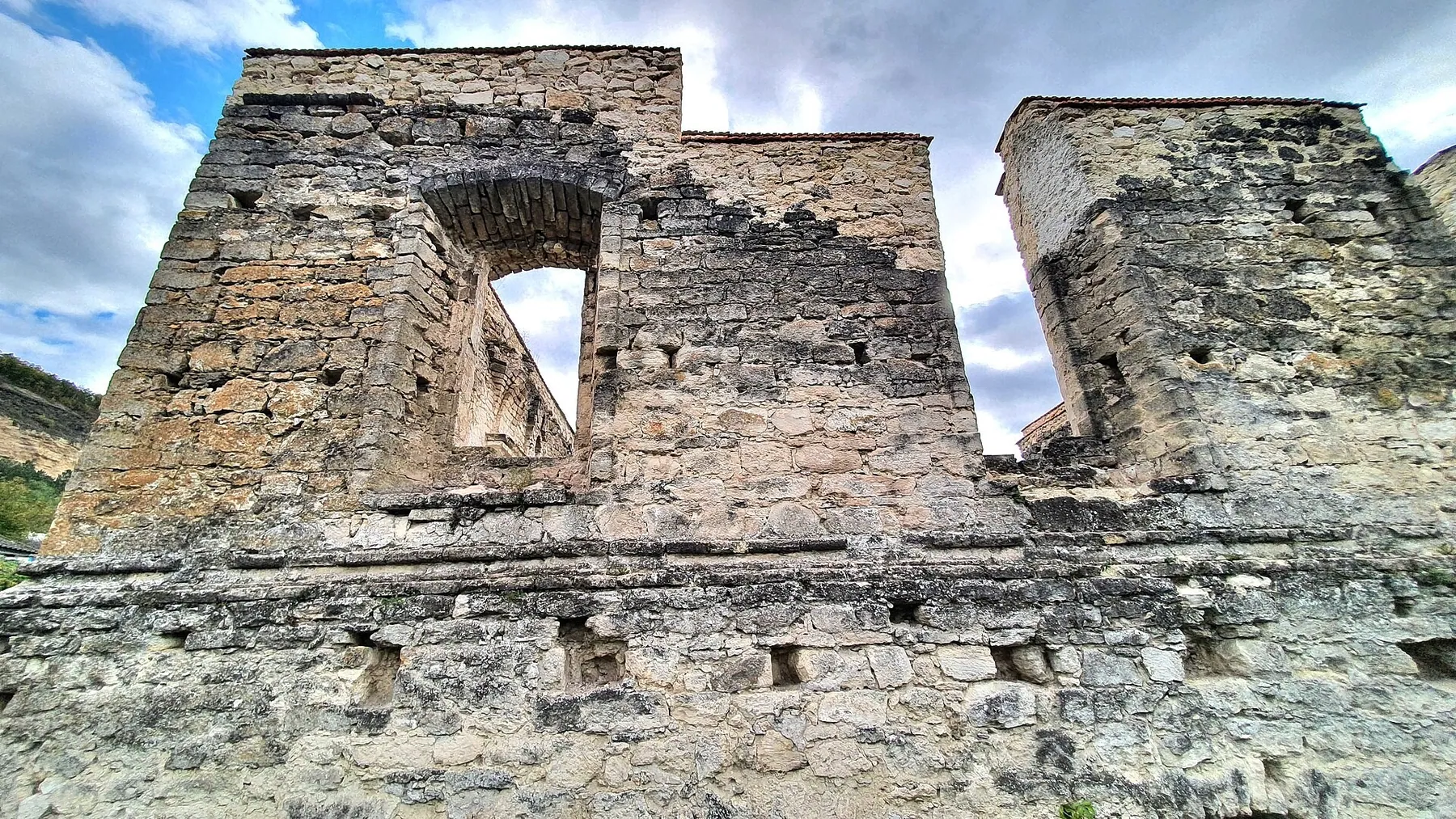
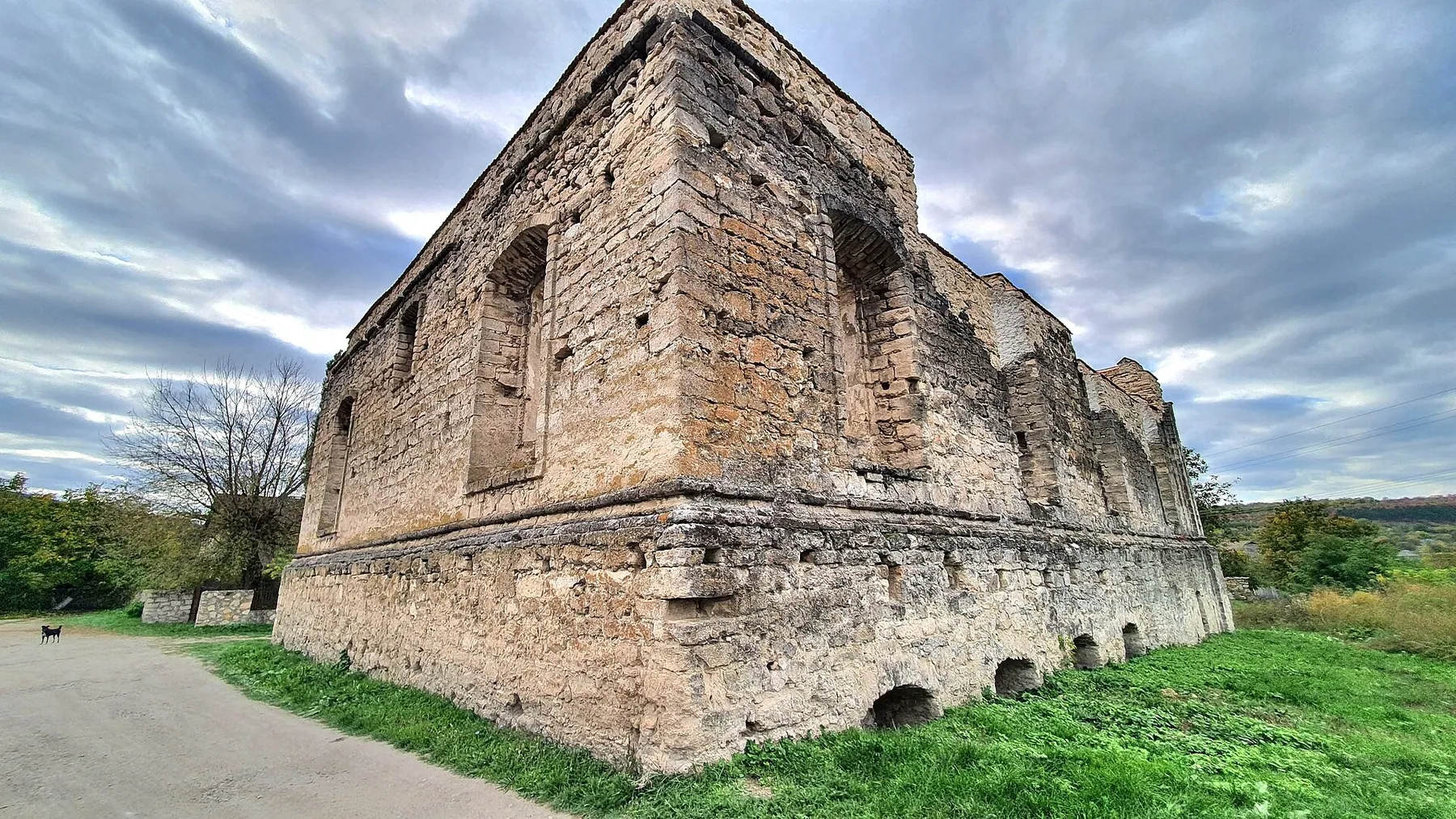
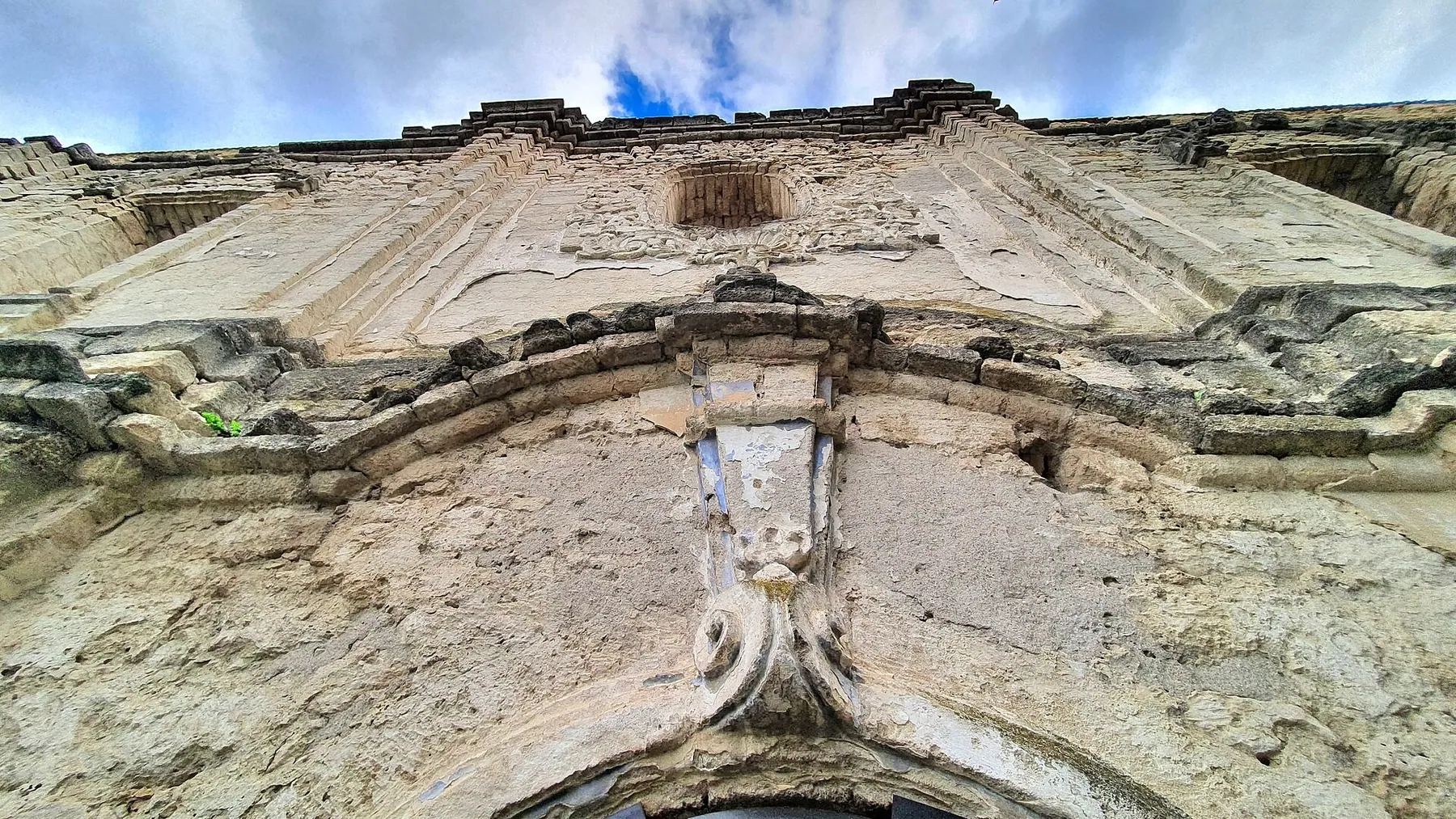
The Great Synagogue is a massive stone building in the Baroque style, with elements described as Romanesque and Gothic and decoration in the Rococo manner. Local sources stress its very wide foundations and walls around two metres thick, and say each façade was treated differently. The plan followed the eighteenth-century East European type: a large men's prayer hall, and at the west end a two-storey block whose upper floor held the women's gallery, which looked into the hall through small openings and had a decorative fireplace. A hidden stair led to the roof. The east wall carries a tall carved Torah ark framed by twisted columns and crowned by a tablet and oculus, flanked by two great arched windows and painted cartouches, above a frieze of small arched niches. The hall was originally vaulted; the vaults were destroyed in the Soviet period.
Life inside the synagogue
For almost two centuries the synagogue was the spiritual centre of Rashkov's large Jewish community. Its first rabbi, according to the Jewish community of Moldova, was Yaakov Yosef ha-Kohen of Polonne, a close disciple of the Baal Shem Tov, who served in Rashkov from about 1748 to 1752 after his expulsion from Shargorod, and whose Toldot Yaakov Yosef of 1780 was the first Hasidic book to be printed. The town was home to the Rashkov Hasidic dynasty founded by Rabbi Shabtai, whose prayer book is still used. By 1914 the Great Synagogue was one of four synagogues in the town, serving a community of traders, artisans and shopkeepers. The women's gallery and a fireplace show that it was used year-round, and the building remained in use until the Soviet anti-religious campaign of the late 1920s and early 1930s.
Destruction
After the Russian Civil War Rashkov remained on the Soviet side of the Dniester, and from 1924 it lay in the Moldavian Autonomous Soviet Socialist Republic. During the Soviet anti-religious campaign the Soviet authorities closed the synagogue and destroyed its vaults; a local museum director quoted by LIK TV dates this to 1929, while the Jewish community of Moldova and the Russian Wikipedia place it in the early 1930s. With its roof gone, the building was left as a ruin, and the Hasidic religious centre of the town moved across the river to Vadul-Rașcov in Romanian Bessarabia. The other two former synagogues were later turned into the mayor's office and a warehouse, but the Great Synagogue was never reused. Over the following decades the unroofed walls decayed further, though much of the carved stone decoration and the ark wall survived. Russian Wikipedia reports that part of the ark wall was later dismantled for reuse in Chișinău.
The community’s fate
Romanian forces occupied Rashkov in July 1941, and the town became part of the Romanian-administered Transnistria Governorate. According to testimony gathered by Yahad-In Unum, Romanian soldiers shot several Jewish residents on 24 July 1941, and from August 1941 Jews were marched in columns into the Dniester and drowned, with Romanian soldiers on both sides; one witness put the number drowned at about 1,000. Other Jews were deported to camps. A memorial erected in 2017 lists 126 recovered names, though the true toll was higher. By the early 2000s, when the Joint Distribution Committee surveyed the town, only one Jewish resident remained, the historian and former school director Mikhail Aranchuk.
The site today
The roofless ruin stands on Bazarnaya Street in the centre of Rașcov, near the Panska Krynytsia spring and close to the Catholic church of St Cajetan. Its outer walls rise to full height and preserve carved stone decoration, painted plaster and the Torah ark wall. In 2022 the ruin was conserved with European Union funding through the UNDP Confidence Building Measures Programme, using minimal intervention and diamond-drilled reinforcement. The site is listed as a historic monument and is visited by tourists and Jewish heritage groups; a Holocaust memorial erected in 2017 stands elsewhere in the village.
Notable names
Yaakov Yosef of Polonne
1710–1784Rabbi of Rashkov, c. 1748–1752Yaakov Yosef ha-Kohen of Polonne, a leading disciple of the Baal Shem Tov, settled in Rashkov after being expelled from the rabbinate of Shargorod in 1748. The Jewish community of Moldova names him the first rabbi of the Great Synagogue, serving from about 1748 to 1752. His Toldot Yaakov Yosef (1780) was the first Hasidic book ever printed.
Biography or source →Do you have something to contribute?
Photographs, documents, family stories or memories of this synagogue and its community help keep its history alive.
- Jewish Heritage Sites and Monuments in Moldova
- Moldova, Rashkov Old Synagogue (JDC survey form)
- Rashkov
- Рашков (Rashkov)
- Синагога в селе Рашков: история, тайны и надежды на сохранение памятника
- Rașcov synagogue and church were conserved, thanks to EU and UNDP support
- Rașcov (Rashkov, Rashkovo), Camenca
- Рашково (Приднестровье)
- Sinagoga din Rașcov
- Jewish Rashkov (Jewish History Tours guide)
- Ruins of the synagogue (Руины синагоги), way 243097662
- Sinagoga din Rașcov (Q9350046)
- Jacob Joseph of Polonne
- Vadu-Rashcu (Pinkas Hakehillot Romania, vol. 2)
- Wiki Loves Monuments photographs: Category Rașcov synagogue
Share a memory or thought
No comments yet. Be the first to add one.