
RAȘCOV (RASHKOV), MOLDOVA

Great Synagogue of Rașcov

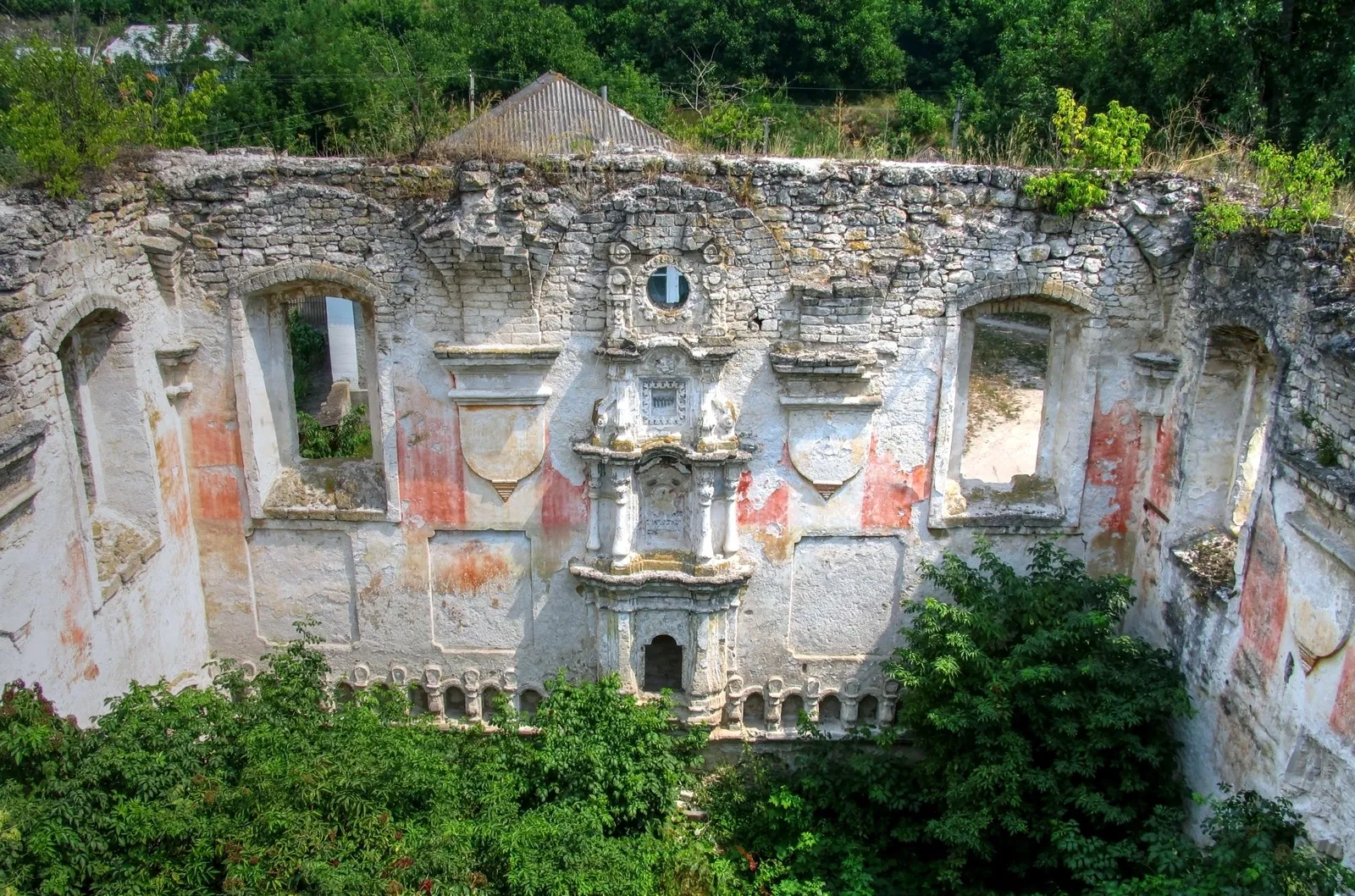
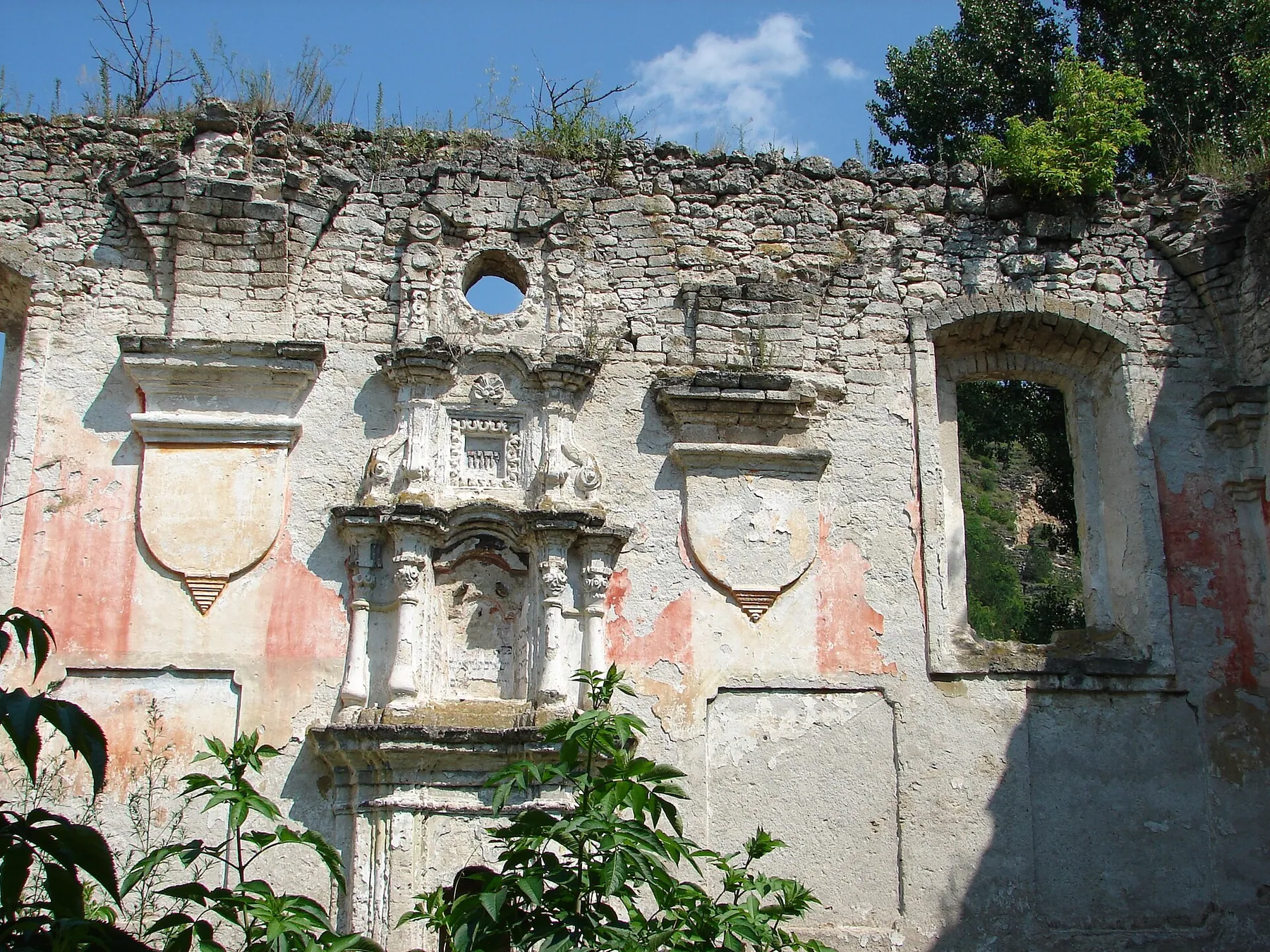
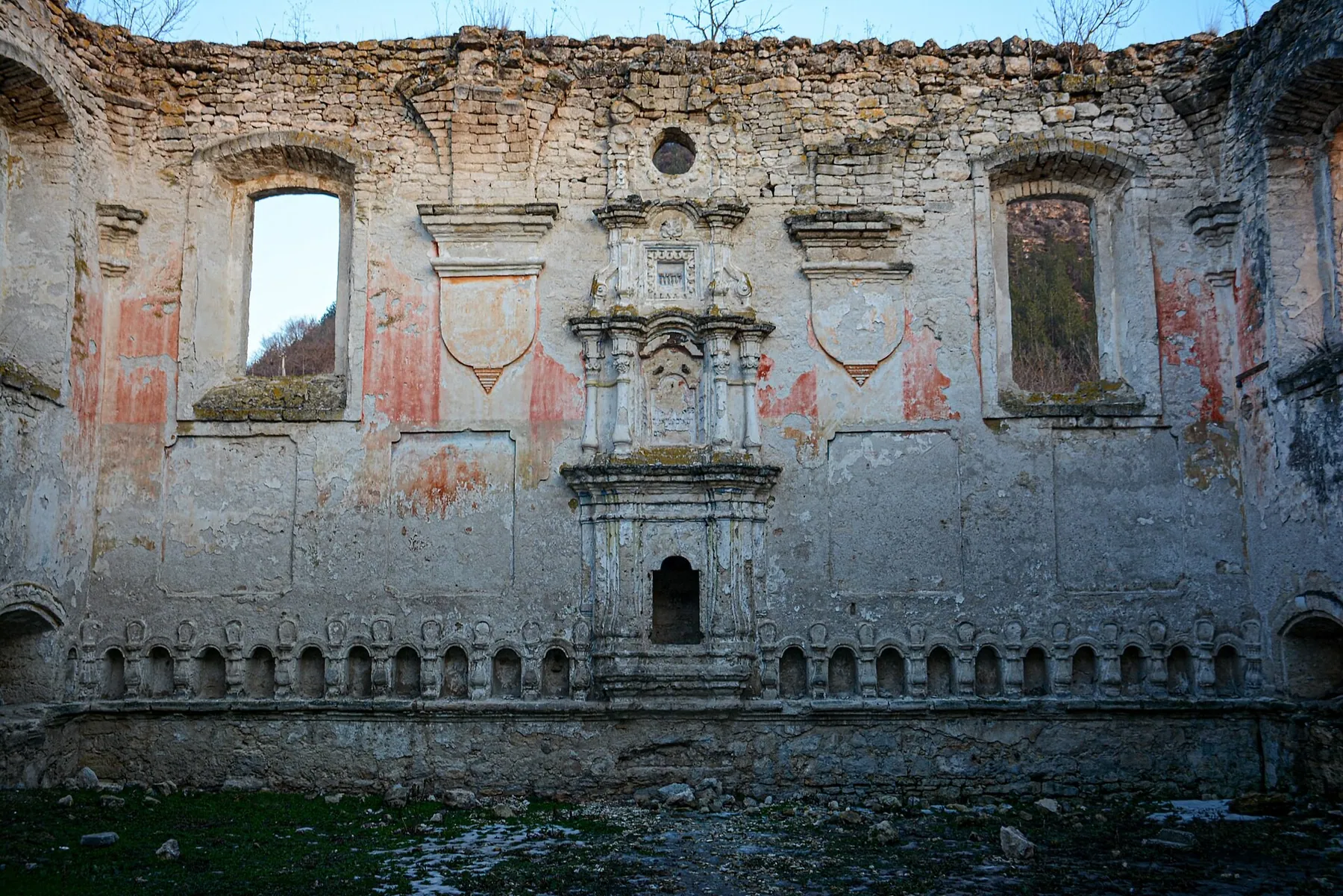
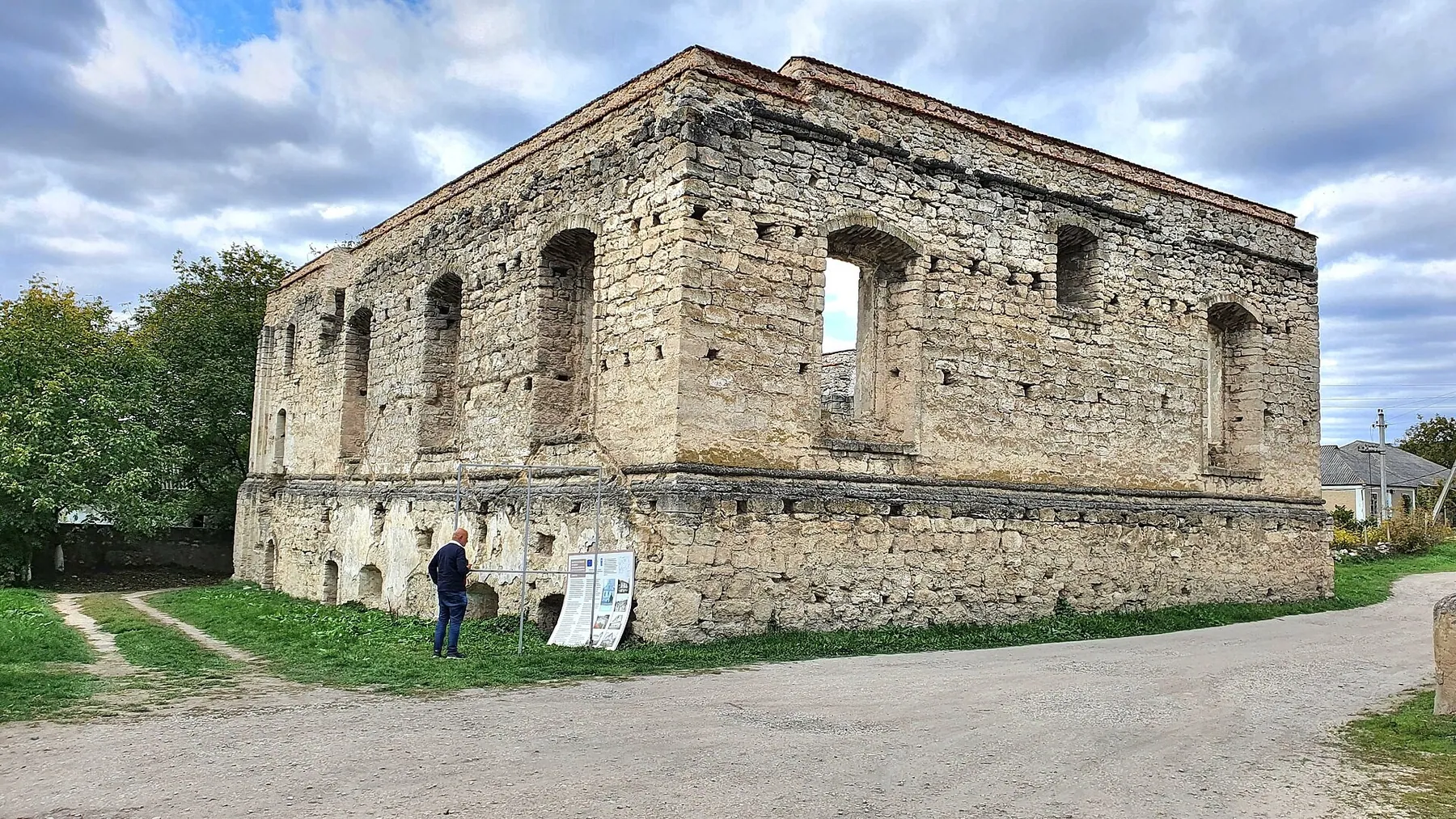
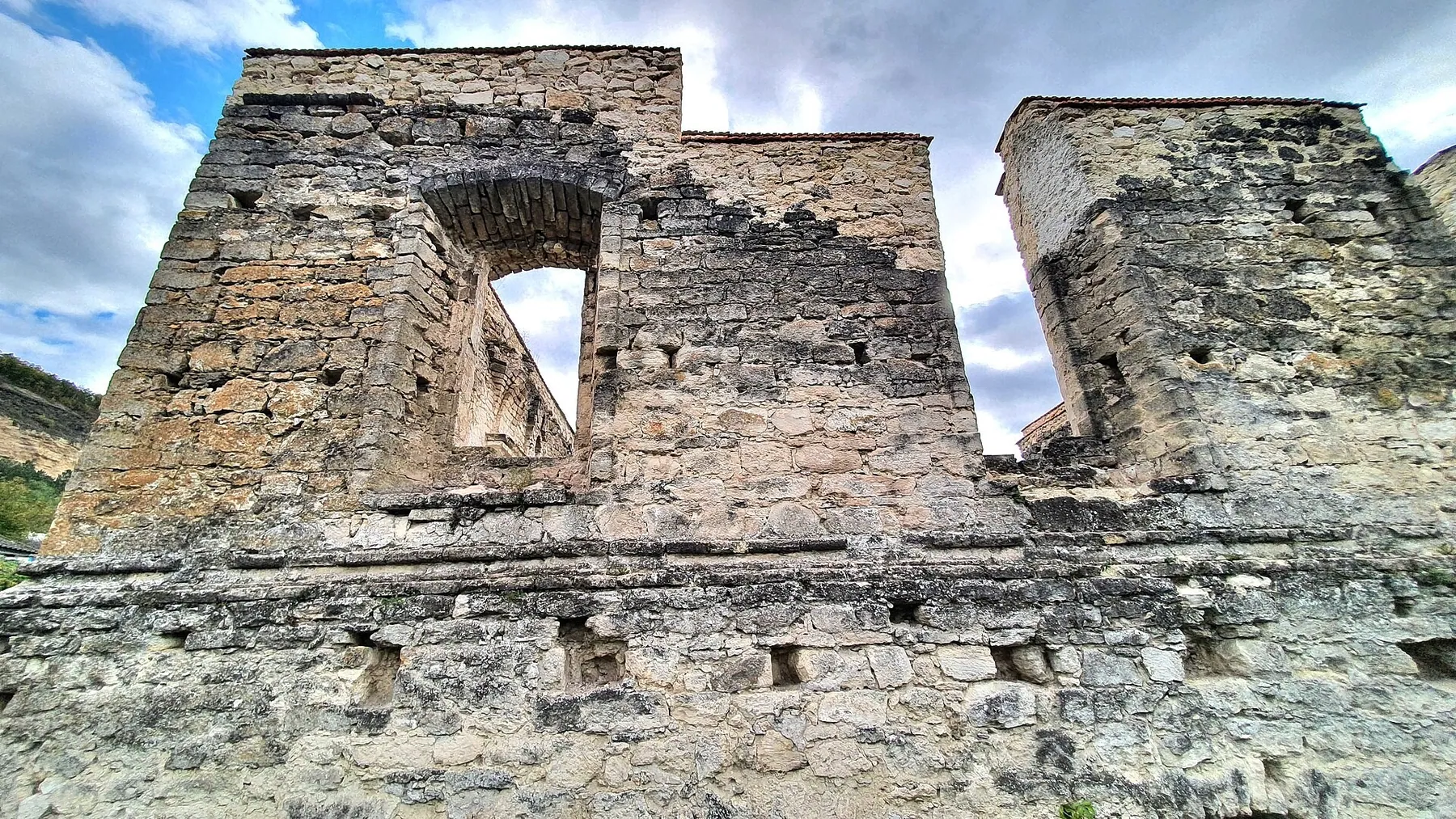
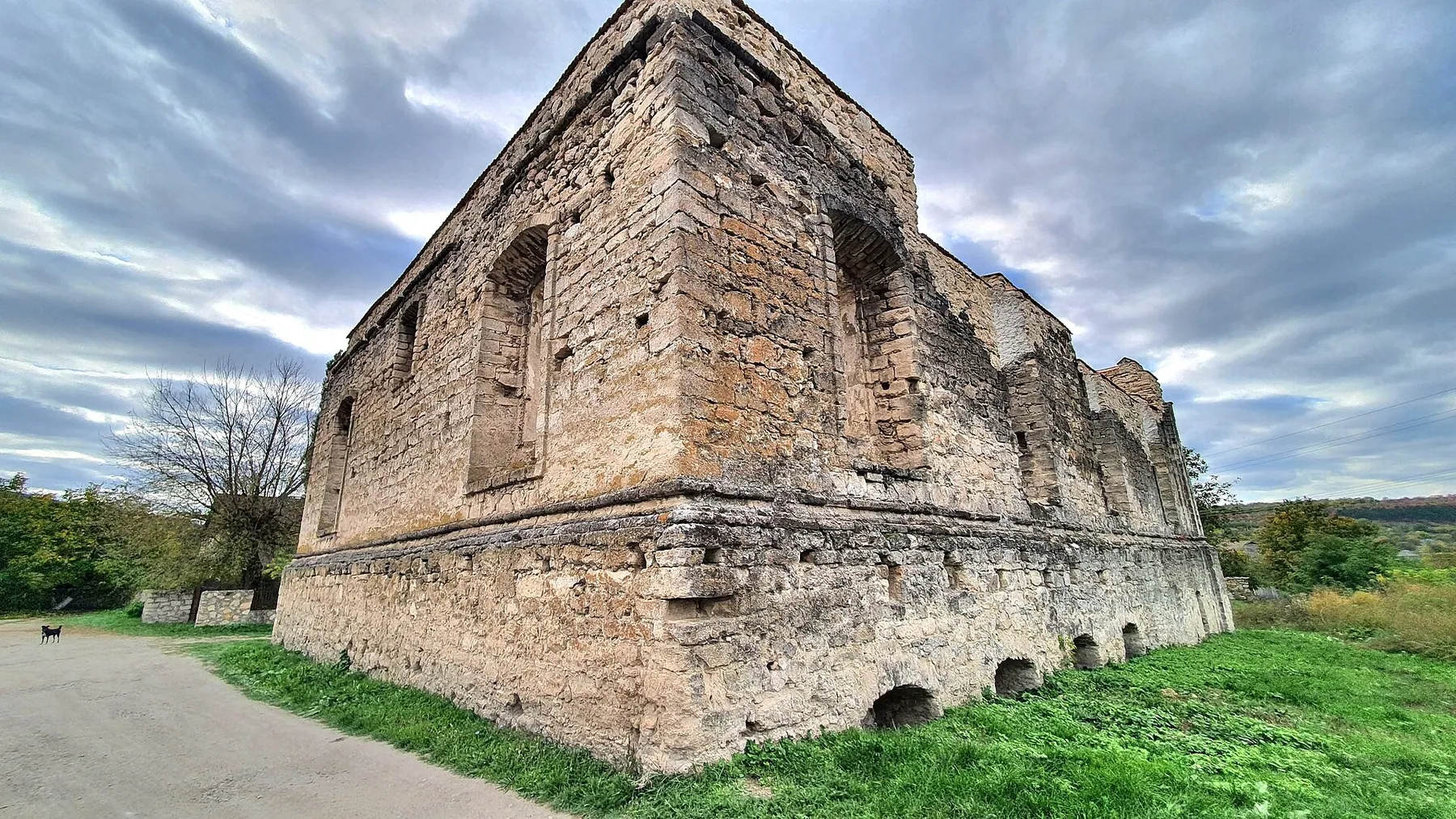
The Great Synagogue of Rașcov, a stone Baroque synagogue built in 1749 above the Dniester in today's Transnistria, served one of the oldest Jewish communities in Moldova. Soviet authorities wrecked its vaults during the anti-religious campaign of about 1929 to the early 1930s. Its roofless outer walls, carved decoration and Torah ark wall survive.

Terminada
1749
Destruida
c. 1929–1933 por Communists
Arquitecto / estilo
Unknown · Baroque with Rococo decoration
Aforo
Unknown
Sinagoga al azar

Tómese un momento para reflexionar y guarde en sus pensamientos la memoria de esta sinagoga y su comunidad. Encienda una vela por ellos.

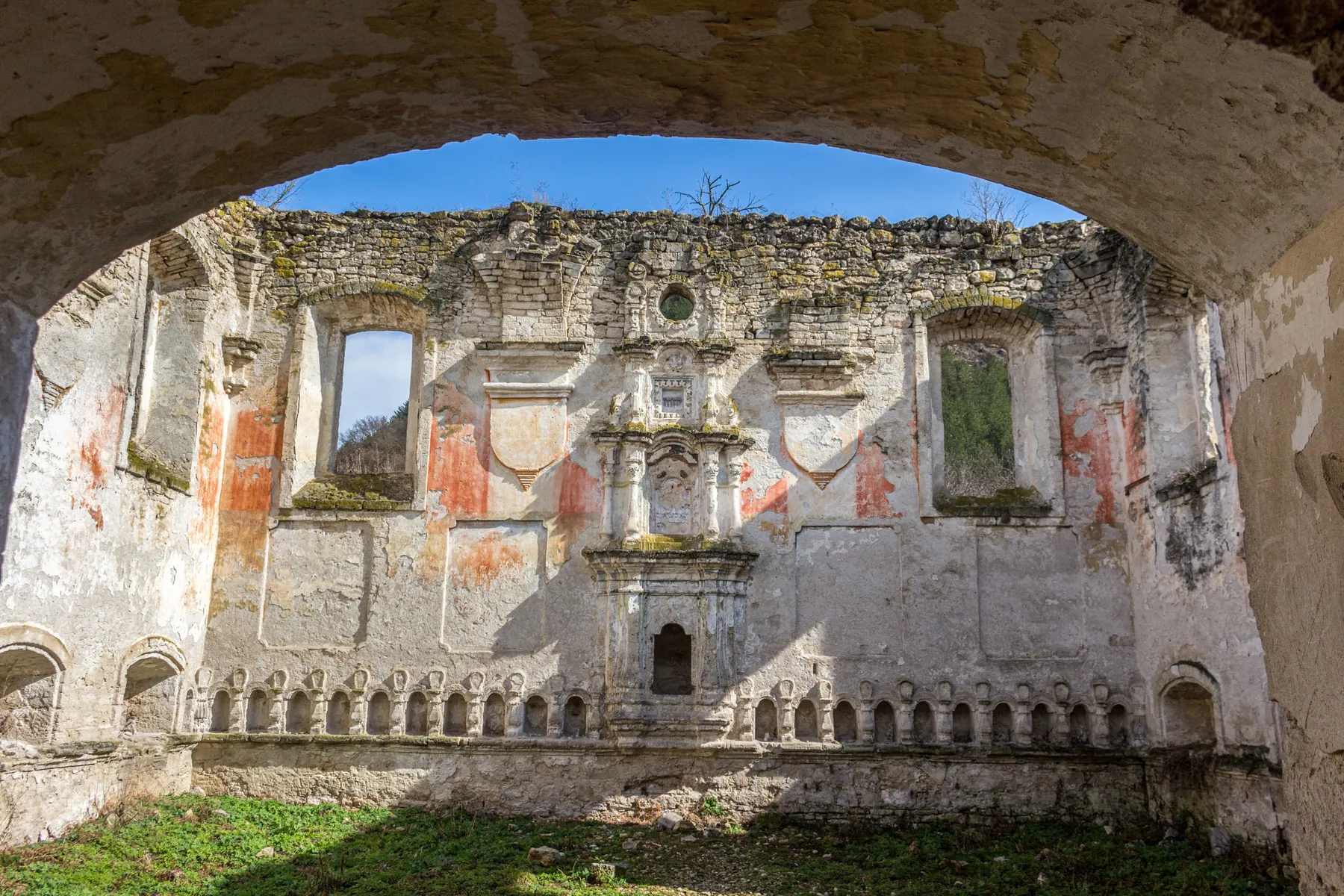
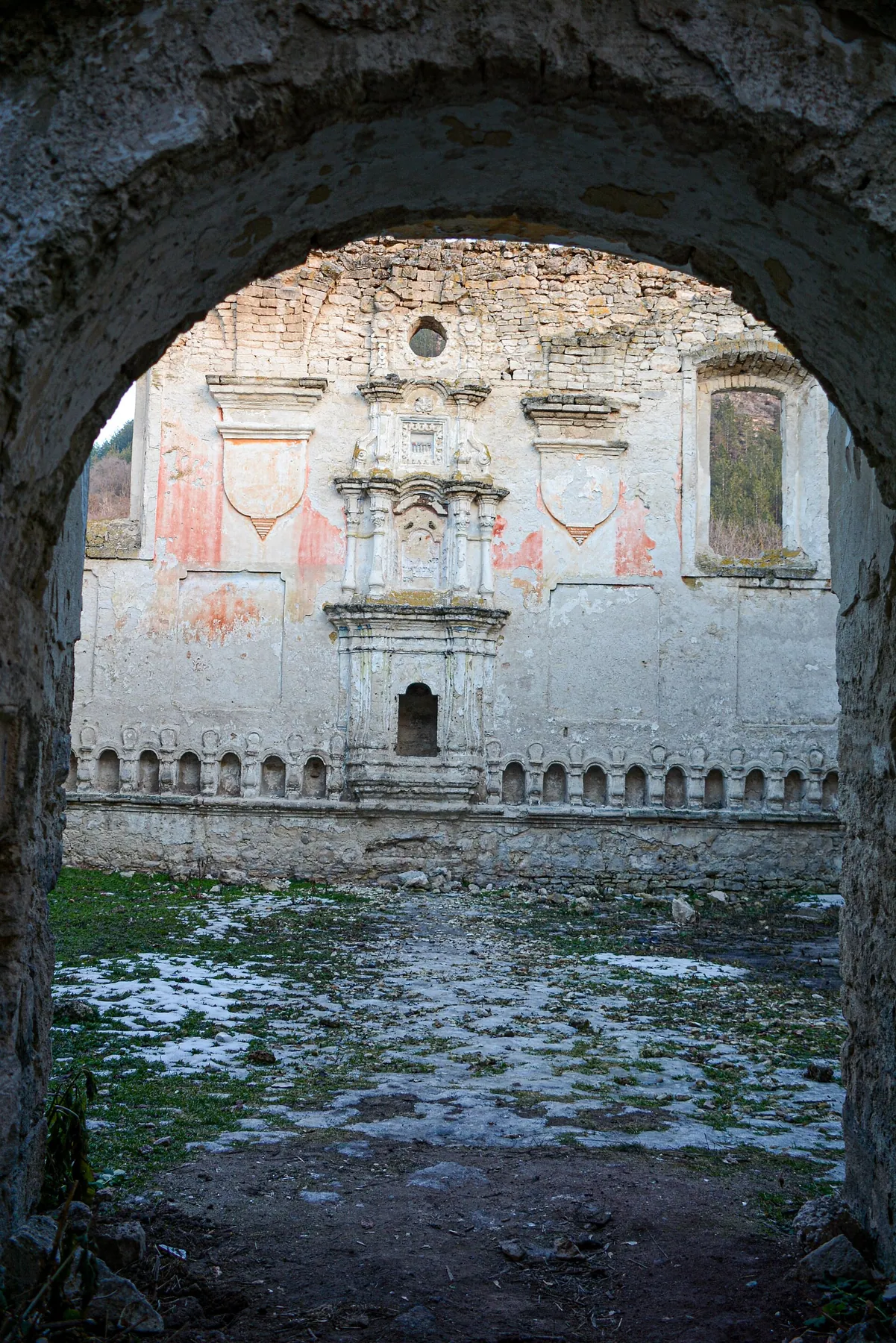
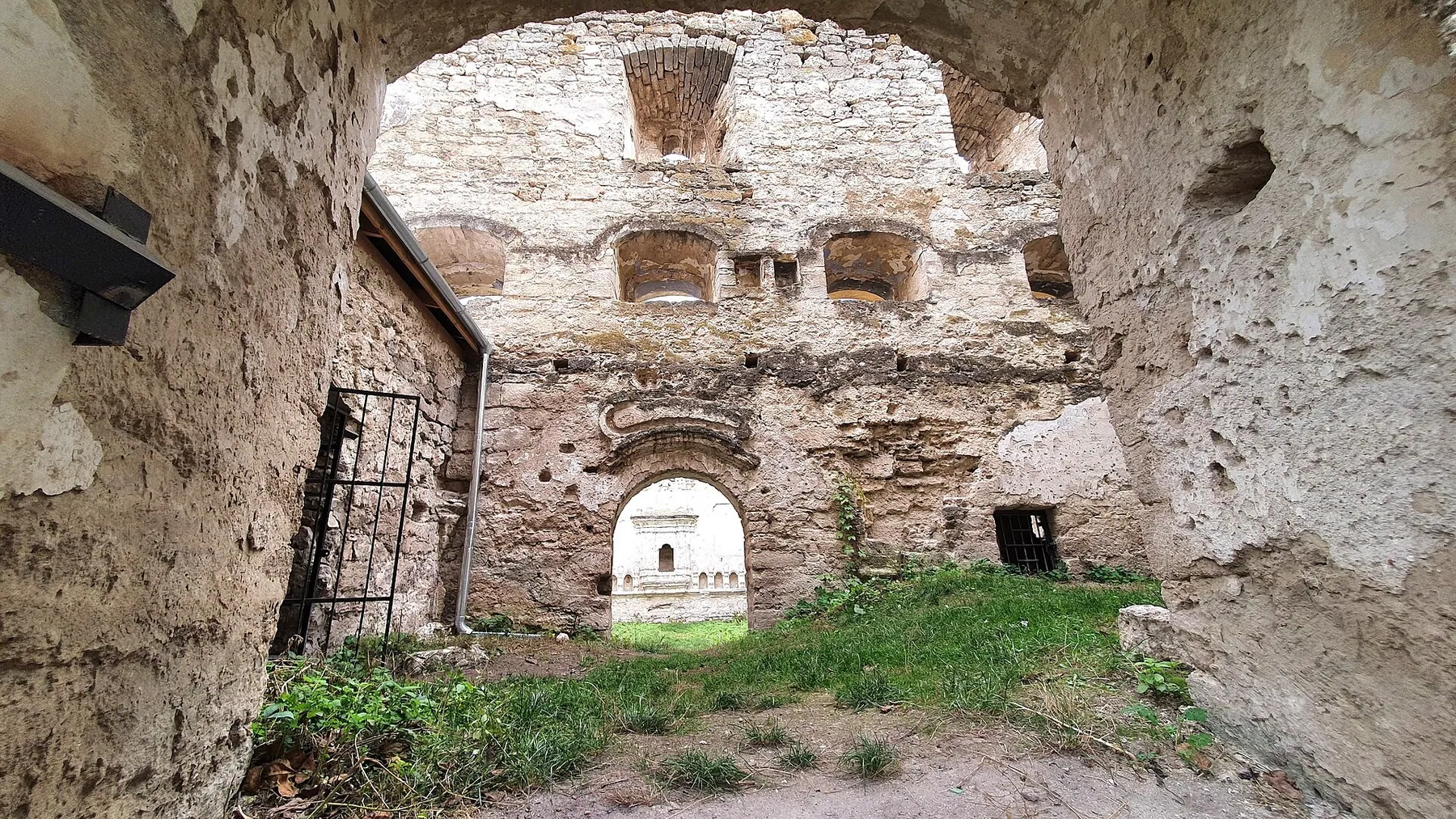
Roofless synagogue hall seen through a stone arch, with a carved Baroque ark flanked by tall windows and red-painted plaster
ARCHIVO FOTOGRÁFICO

Imágenes de la sinagoga

Roofless synagogue hall seen through a stone arch, with a carved Baroque ark flanked by tall windows and red-painted plaster
01The east wall of the roofless prayer hall with the carved Torah ark, seen through the arch of the western entrance (2019).Photograph by IurieSvet, 2019-03-16, via Wikimedia Commons (https://commons.wikimedia.org/wiki/File:Rascov_Sinagoga.jpg)
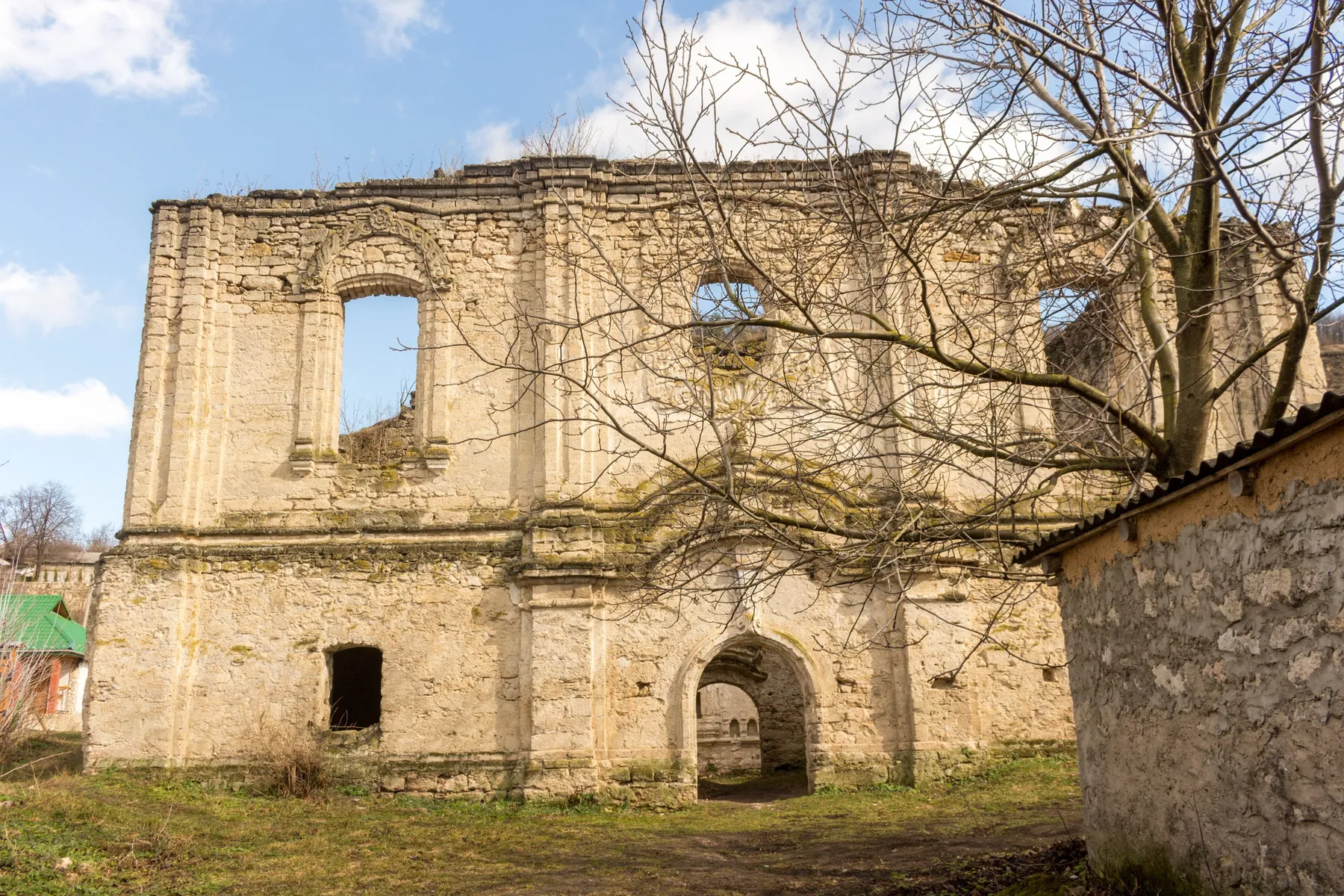
Tall roofless stone façade with an arched doorway, a round window and bare trees in front
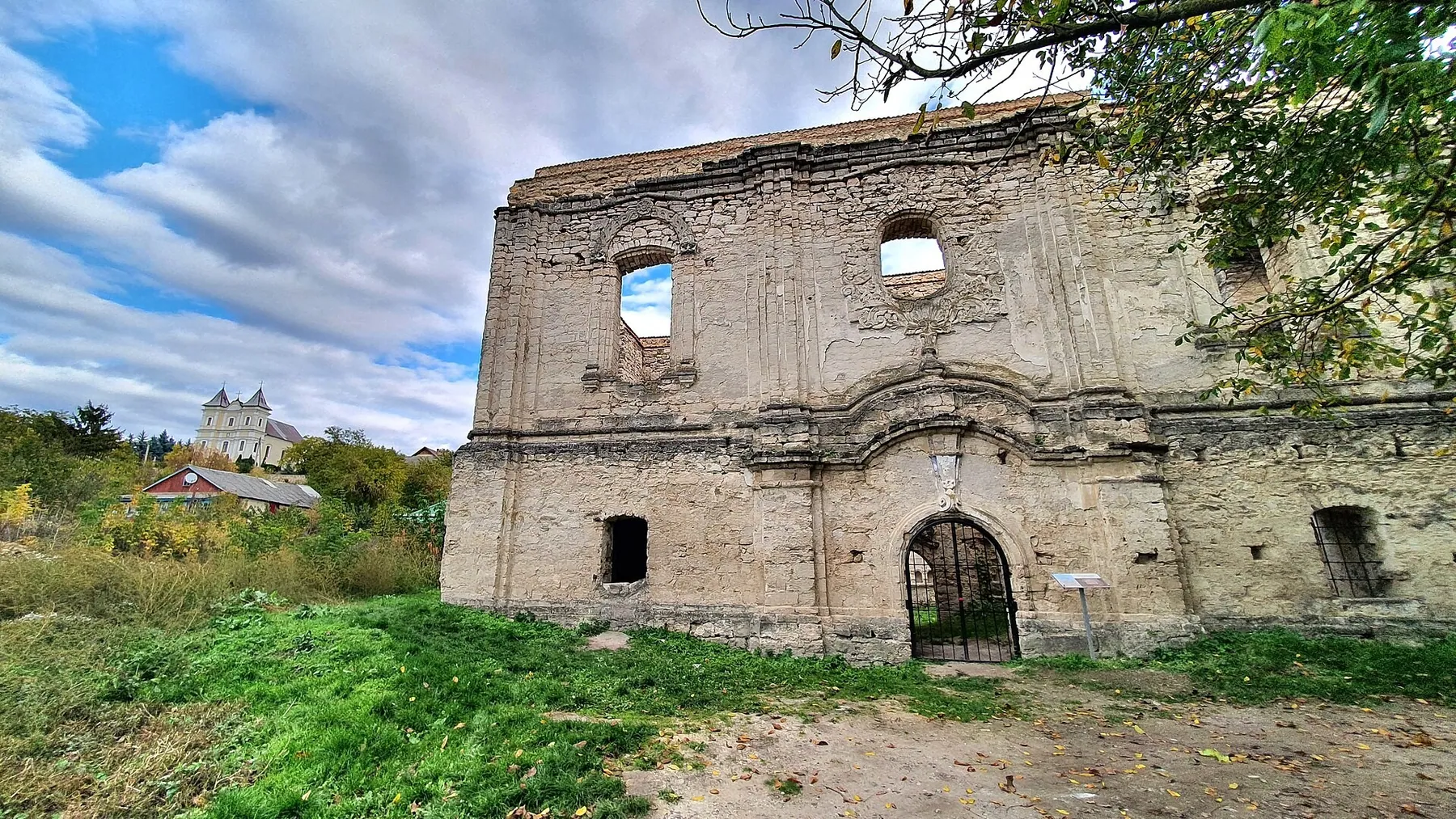
02The west façade of the ruined synagogue, with the arched entrance to the vestibule and the women's gallery windows above (2019).Photograph by IurieSvet, 2019-03-16, via Wikimedia Commons (https://commons.wikimedia.org/wiki/File:Rascov_Sinagoga_1.jpg)
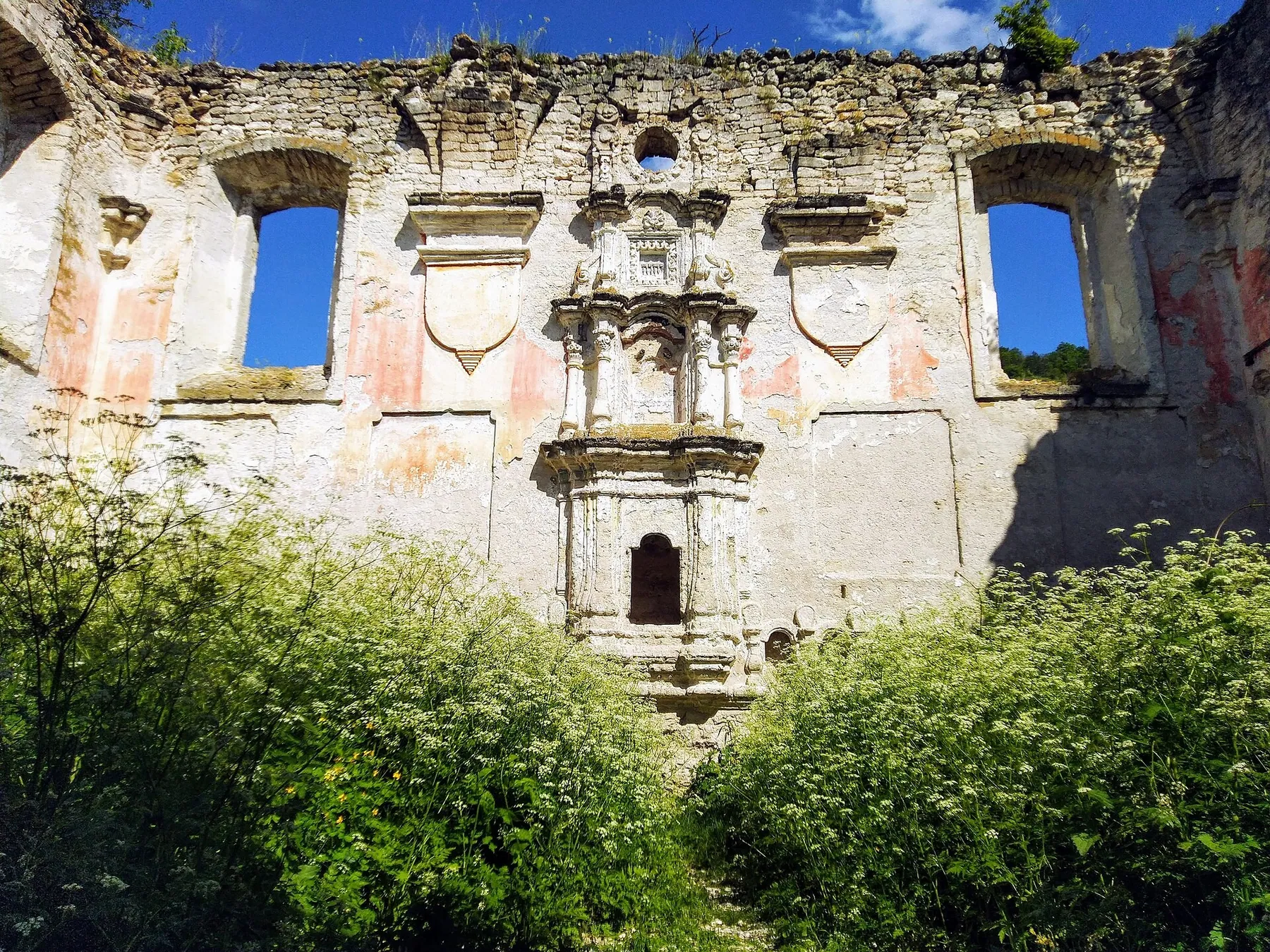
Ruined stone wall with an ornate carved ark, two arched windows and painted shields, overgrown with plants
03The east wall and Torah ark rising above summer vegetation inside the ruin (2021).Photograph by CorinaOv, 2021-05-23, via Wikimedia Commons (https://commons.wikimedia.org/wiki/File:%D0%A0%D0%B0%D1%88%D0%BA%D0%BE%D0%B2_-_Sinagoga_din_Ra%C8%99cov_-_2025-09-27_17-06-02_001.jpg)
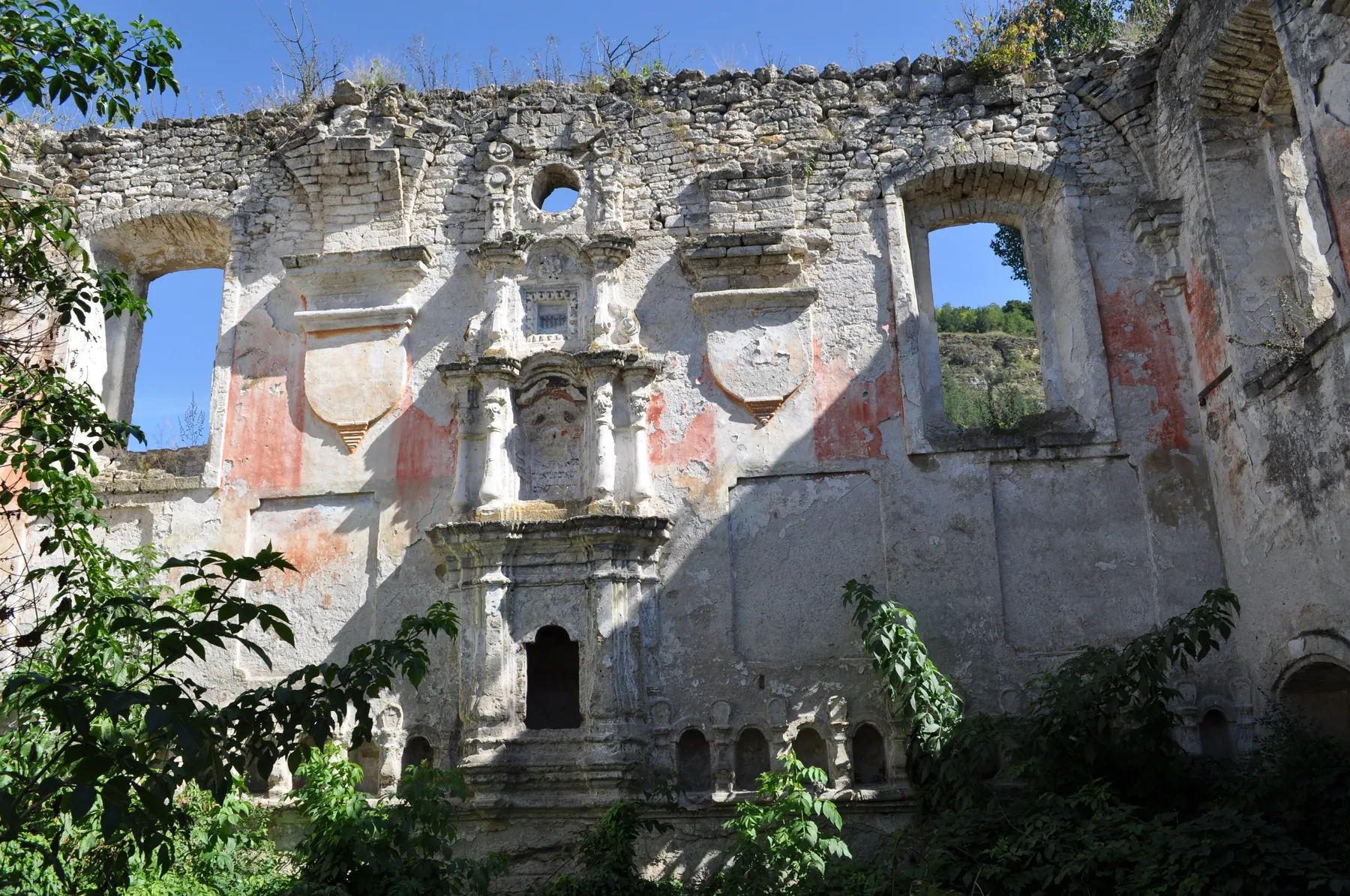
Ornate carved ark in a ruined wall with round window above and arched windows on each side
04The Torah ark wall with its twisted columns, painted cartouches and frieze of small niches (2010).Photograph by Serbinov Maria, 2010-03-11, via Wikimedia Commons (https://commons.wikimedia.org/wiki/File:Ruinele_sinagogii_Rascov.jpg)
Long roofless wall with an ark, windows and a row of small niches, with bushes in the foreground
05View across the overgrown prayer hall to the east wall and ark (2009).Photograph by Alex Prodan md, 2009-08-01, via Wikimedia Commons (https://commons.wikimedia.org/wiki/File:Ruinele_sinagogii_vechi_Rascov_Rabnita_(1).jpg)
Stone wall with carved ark, red plaster traces and arched windows under a clear sky
06The east wall of the prayer hall with the carved ark and the niche frieze (2011).Photograph by Crissty90, 2011-07-11, via Wikimedia Commons (https://commons.wikimedia.org/wiki/File:Ruinele_sinagogii_vechi.jpg)
Interior of a roofless ruin showing a decorated wall with an ark and a row of arched niches
07The east wall of the hall with the ark, flanking windows and decorative cartouches (2016).Photograph by Gganebnyi, 2016-02-07, via Wikimedia Commons (https://commons.wikimedia.org/wiki/File:Sinagog%C4%83_%C3%AEn_Ra%C8%99cov_01.jpg)
Dark arched doorway framing a ruined decorated wall with an ark in the distance
08The ark wall seen through the arched doorway from the west vestibule (2016).Photograph by Gganebnyi, 2016-02-07, via Wikimedia Commons (https://commons.wikimedia.org/wiki/File:Sinagog%C4%83_%C3%AEn_Ra%C8%99cov_02.jpg)
Close view of a Baroque stone ark with twisted columns, scrolls and a framed tablet
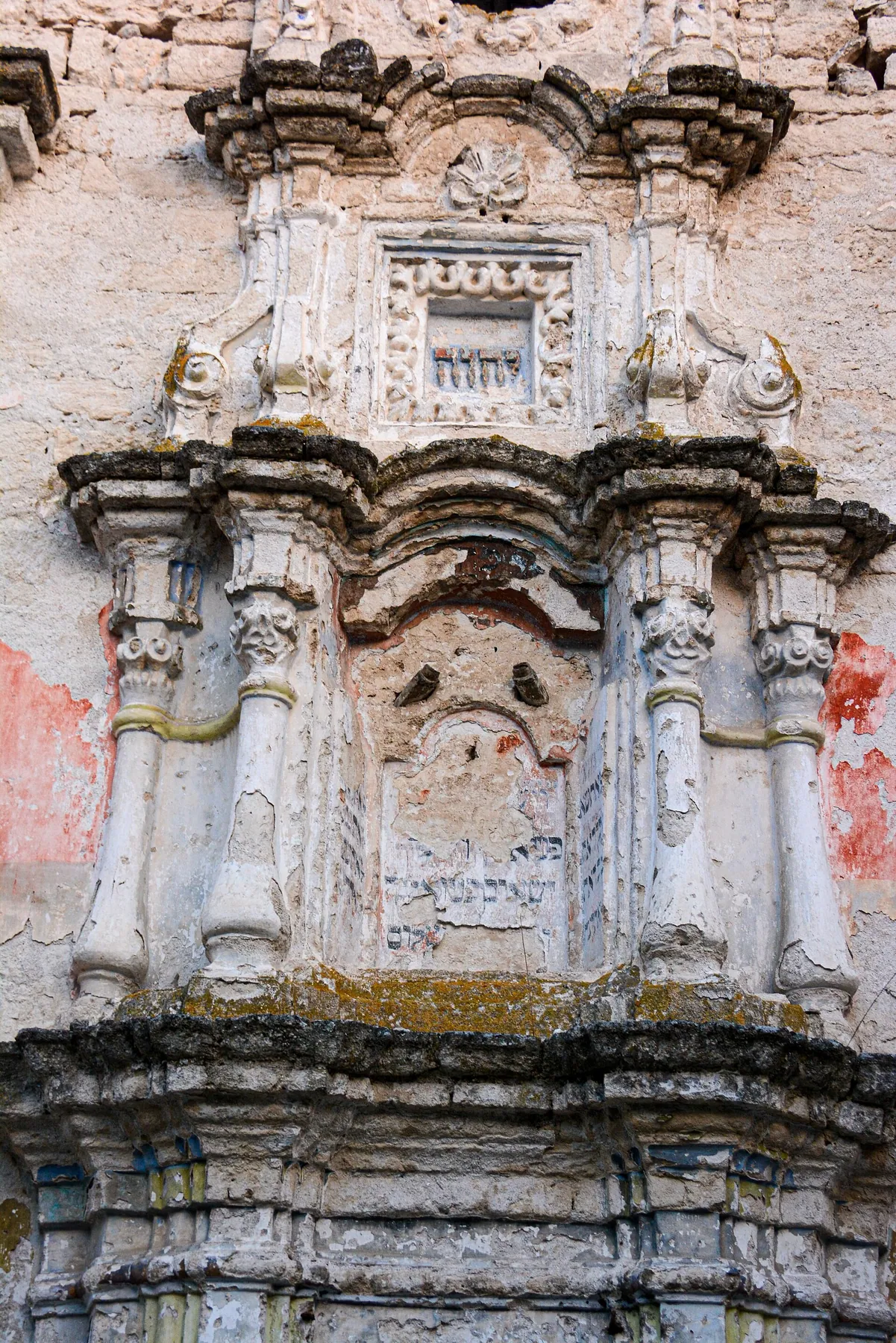
09Detail of the carved stone Torah ark with paired twisted columns and the crowning tablet (2016).Photograph by Gganebnyi, 2016-02-07, via Wikimedia Commons (https://commons.wikimedia.org/wiki/File:Sinagog%C4%83_%C3%AEn_Ra%C8%99cov_04.jpg)
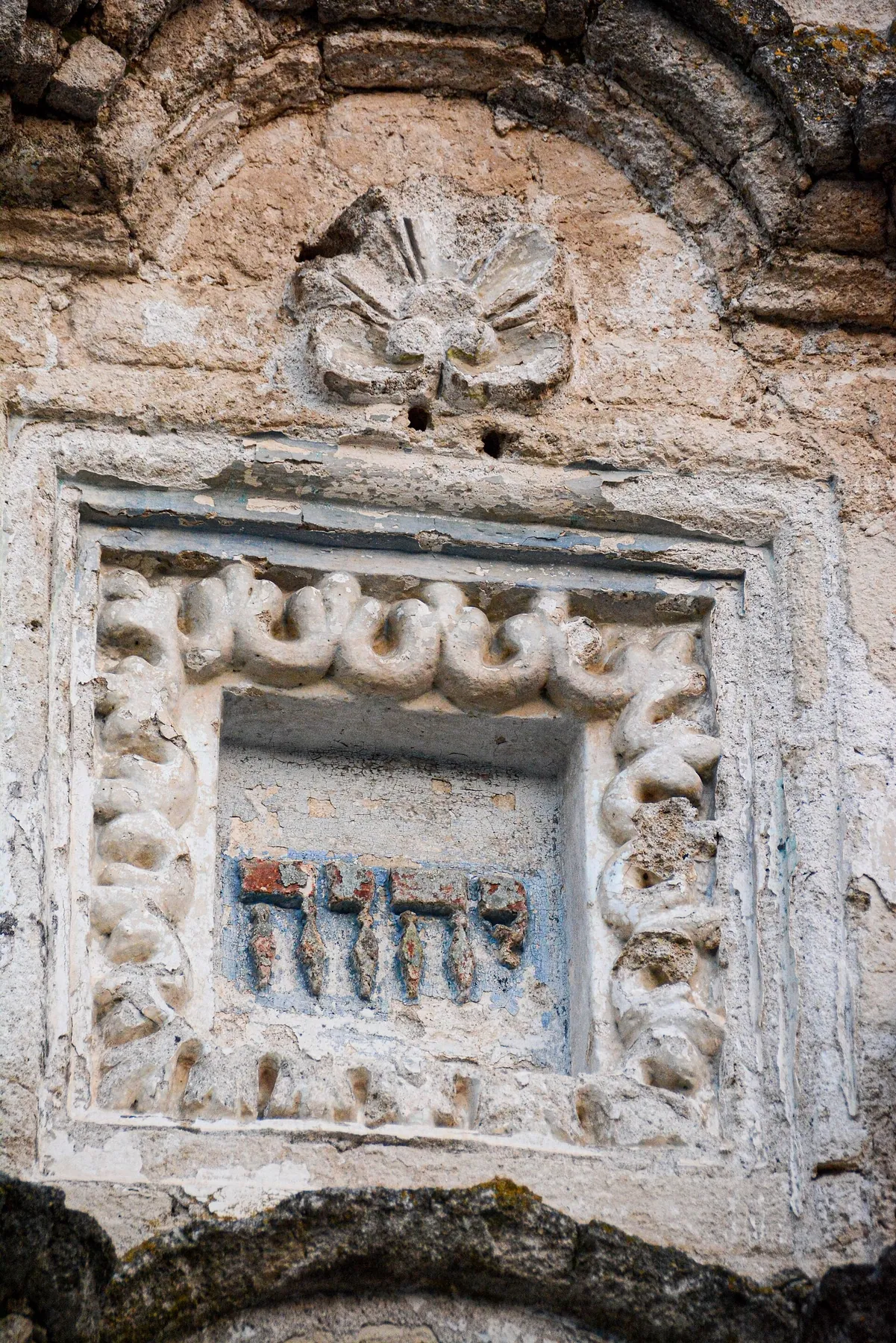
Carved stone frame with scrolled ornament around a small tablet with raised letters
10Detail of the carved frame and tablet at the top of the ark (2016).Photograph by Gganebnyi, 2016-02-07, via Wikimedia Commons (https://commons.wikimedia.org/wiki/File:Sinagog%C4%83_%C3%AEn_Ra%C8%99cov.jpg)
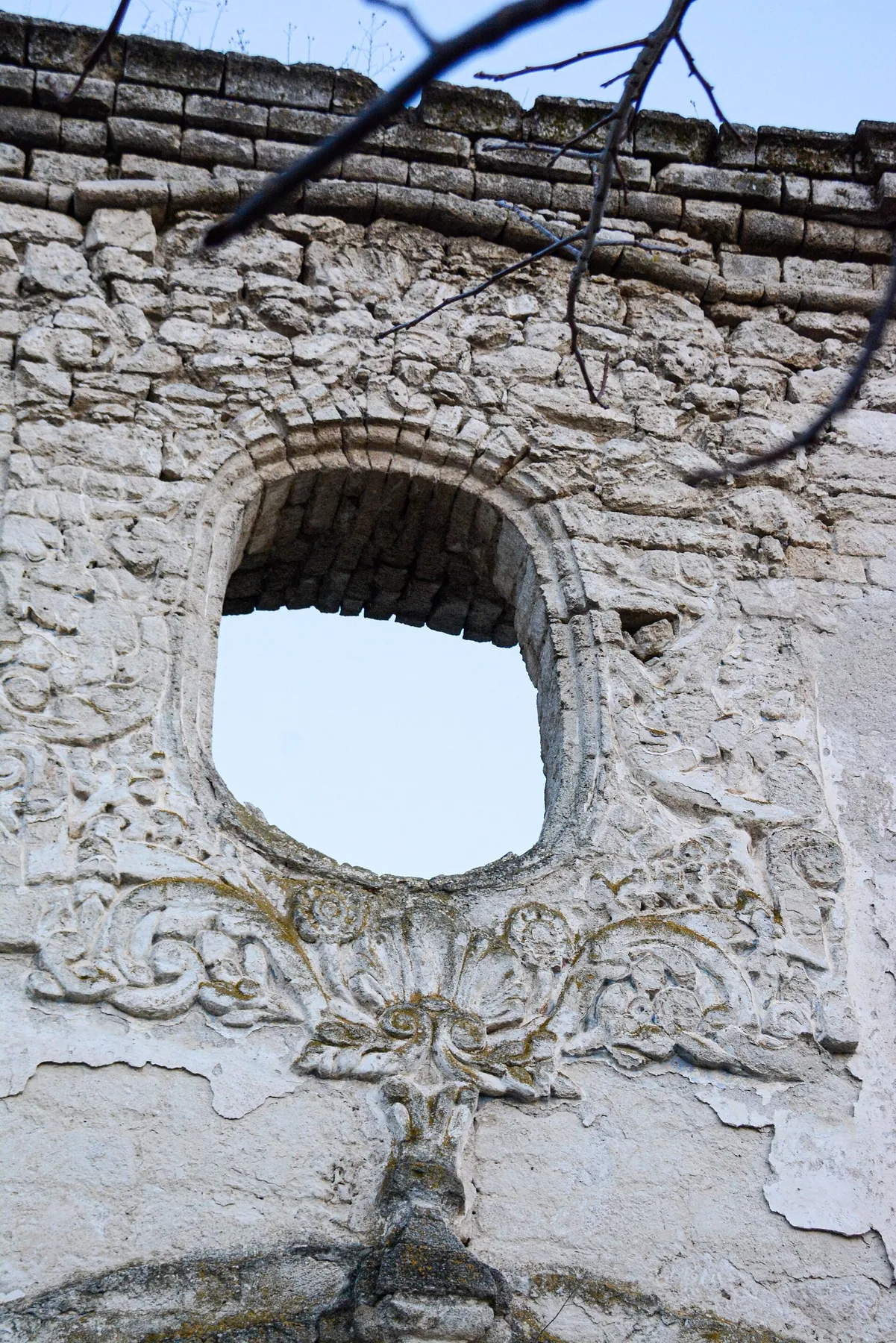
Round opening in a whitewashed stone wall surrounded by carved scrollwork
11Detail of a round window framed by stucco ornament in the synagogue walls (2016).Photograph by Gganebnyi, 2016-02-07, via Wikimedia Commons (https://commons.wikimedia.org/wiki/File:Sinagog%C4%83_%C3%AEn_Ra%C8%99cov_2.jpg)
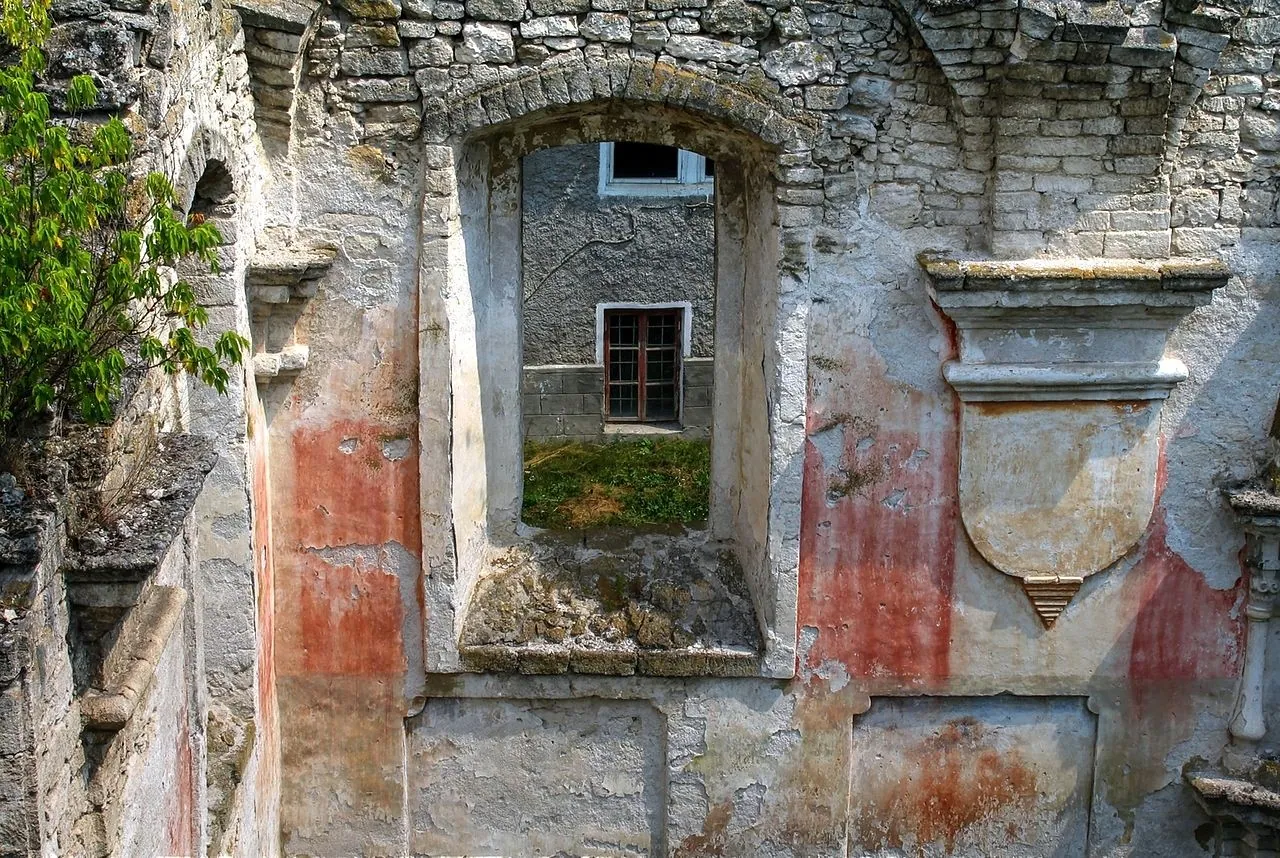
Arched window opening in a ruined wall beside a carved shield, with red plaster traces
12A tall window and painted cartouche on the east wall of the hall (2009).Photograph by Alex Prodan md, 2009-08-01, via Wikimedia Commons (https://commons.wikimedia.org/wiki/File:Ruinele_sinagogii_vechi_Rascov_Rabnita_(2).jpg)
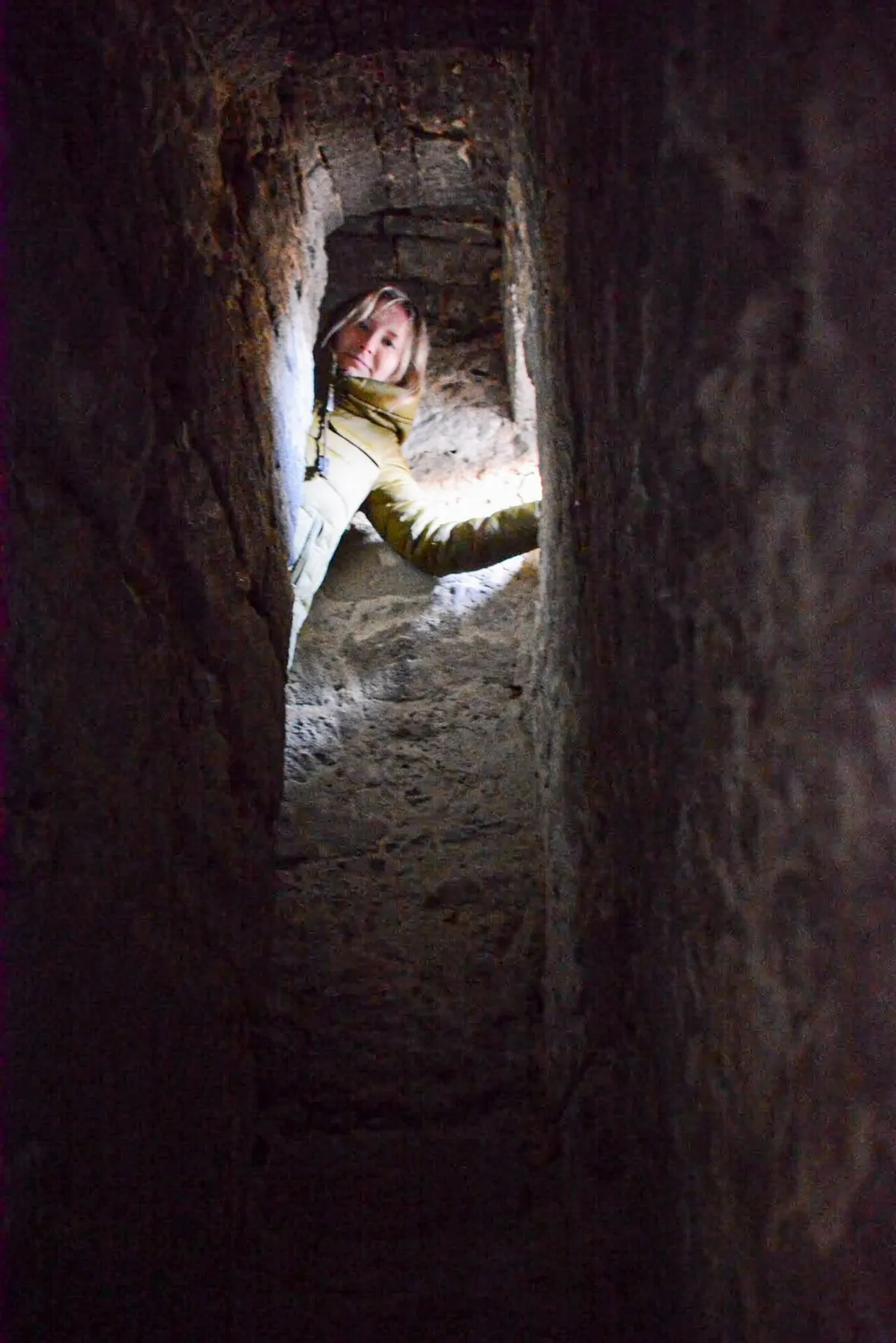
A person climbing a very narrow stone staircase inside a thick wall
13The narrow internal stair within the thickness of the walls, which led to the upper levels and roof (2016).Photograph by Gganebnyi, 2016-02-07, via Wikimedia Commons (https://commons.wikimedia.org/wiki/File:Sinagog%C4%83_%C3%AEn_Ra%C8%99cov_03.jpg)
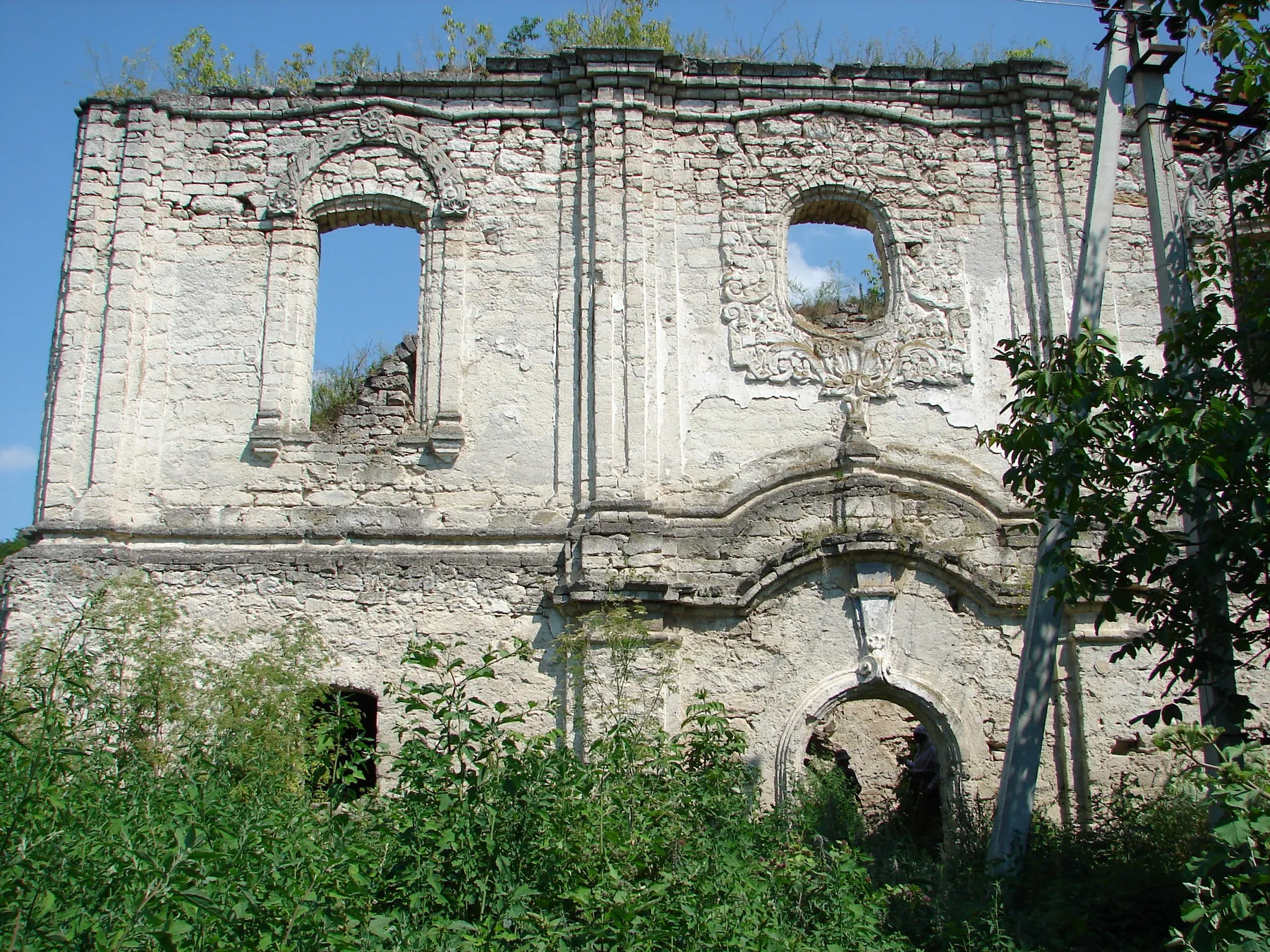
Tall ruined stone façade with an arched doorway, rectangular and round windows, among green bushes
14The west façade of the ruin, partly hidden by vegetation (2011).Photograph by Criss90kf, 2011-07-11, via Wikimedia Commons (https://commons.wikimedia.org/wiki/File:Ruinele_sinagogii_din_Ra%C5%9Fcov.jpg)
Restored roofless stone façade with an arched doorway and two upper openings, lawn in front
15The west façade after the 2022 conservation works.Photograph by Nicolai_Chirnev, 2022-10-14, via Wikimedia Commons (https://commons.wikimedia.org/wiki/File:%D0%A0%D0%B0%D1%88%D0%BA%D0%BE%D0%B2_-_Sinagoga_din_Ra%C8%99cov_-_2025-09-25_22-38-45_003.jpg)
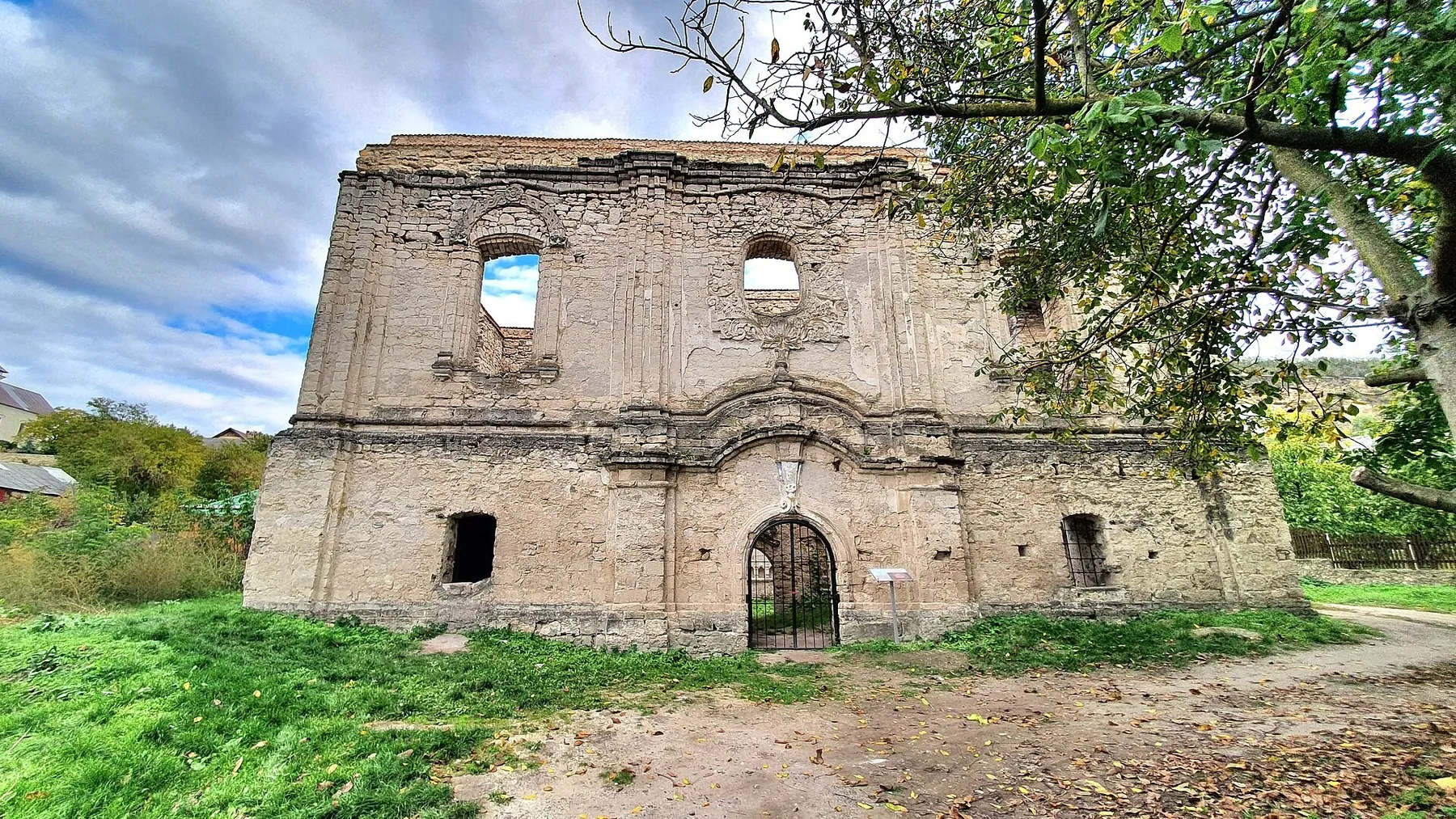
Stone façade of a ruined synagogue with a central arched door and round and rectangular windows
16The west façade and its arched entrance, 2022.Photograph by Nicolai_Chirnev, 2022-10-14, via Wikimedia Commons (https://commons.wikimedia.org/wiki/File:%D0%A0%D0%B0%D1%88%D0%BA%D0%BE%D0%B2_-_Sinagoga_din_Ra%C8%99cov_-_2025-09-25_22-38-45_004.jpg)
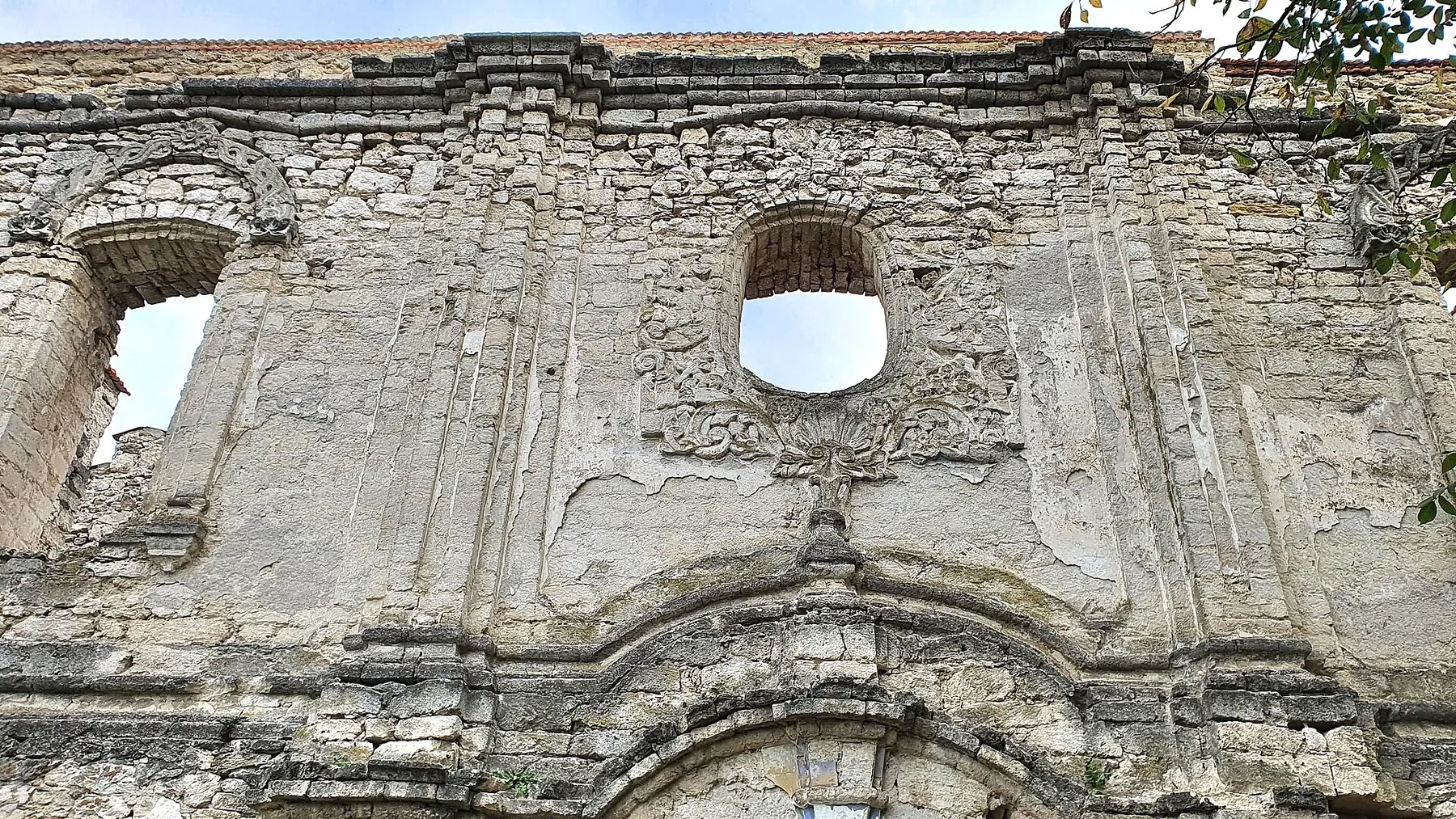
Upper section of a weathered stone façade with a round window and moulded arch
17Upper part of the west façade with its window frames and carved arch over the portal, 2022.Photograph by Nicolai_Chirnev, 2022-10-14, via Wikimedia Commons (https://commons.wikimedia.org/wiki/File:%D0%A0%D0%B0%D1%88%D0%BA%D0%BE%D0%B2_-_Sinagoga_din_Ra%C8%99cov_-_2025-09-25_22-38-45_005.jpg)
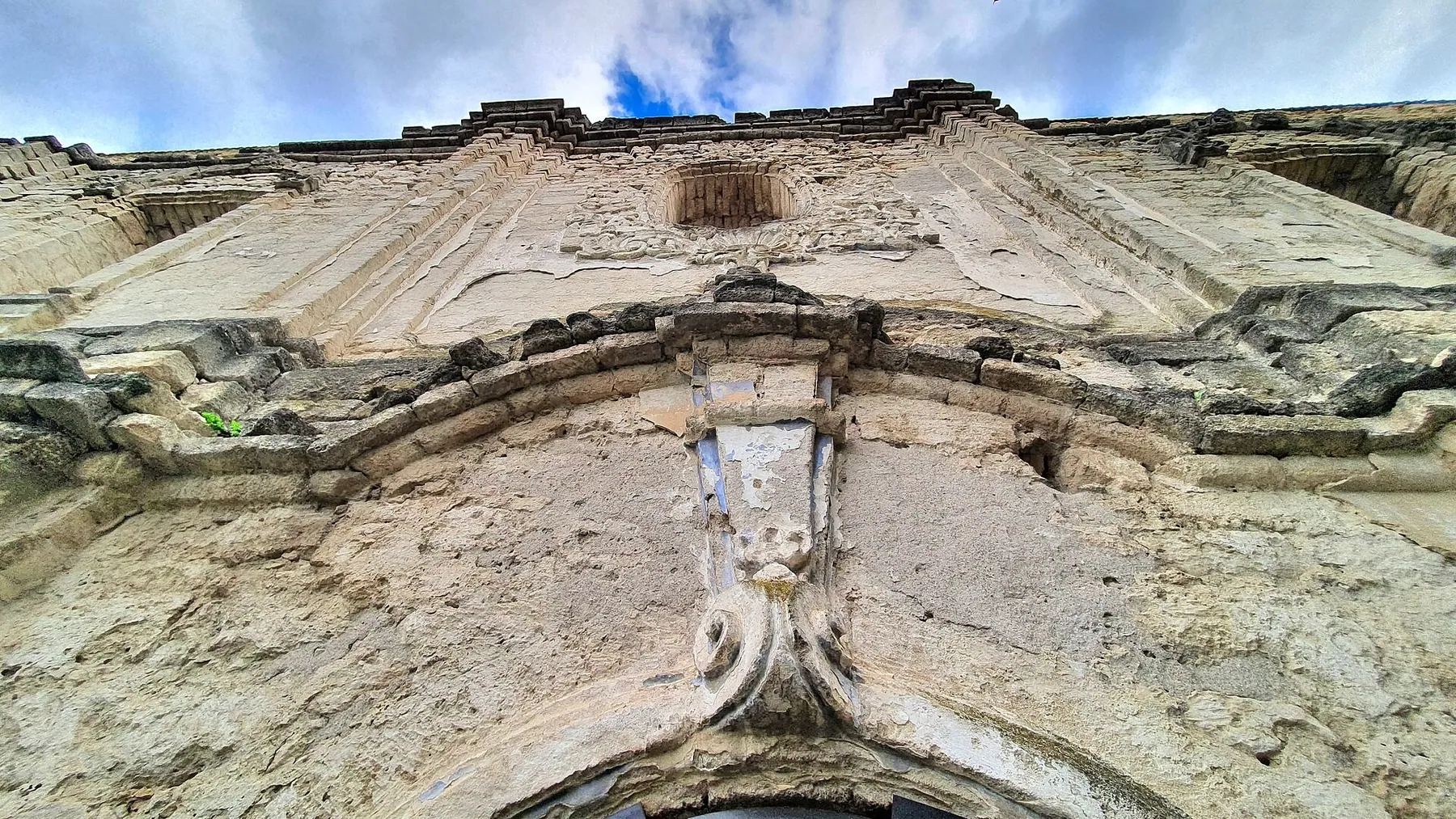
Close view of a carved keystone and curved cornice on a stone façade
18Carved keystone and moulding above the western portal, 2022.Photograph by Nicolai_Chirnev, 2022-10-14, via Wikimedia Commons (https://commons.wikimedia.org/wiki/File:%D0%A0%D0%B0%D1%88%D0%BA%D0%BE%D0%B2_-_Sinagoga_din_Ra%C8%99cov_-_2025-09-25_22-38-45_007.jpg)
Stone vaulted interior with an arched opening leading to a sunlit space and a distant ark
19Inside the western vestibule, looking through to the prayer hall and ark wall, 2022.Photograph by Nicolai_Chirnev, 2022-10-14, via Wikimedia Commons (https://commons.wikimedia.org/wiki/File:%D0%A0%D0%B0%D1%88%D0%BA%D0%BE%D0%B2_-_Sinagoga_din_Ra%C8%99cov_-_2025-09-25_22-38-45_006.jpg)
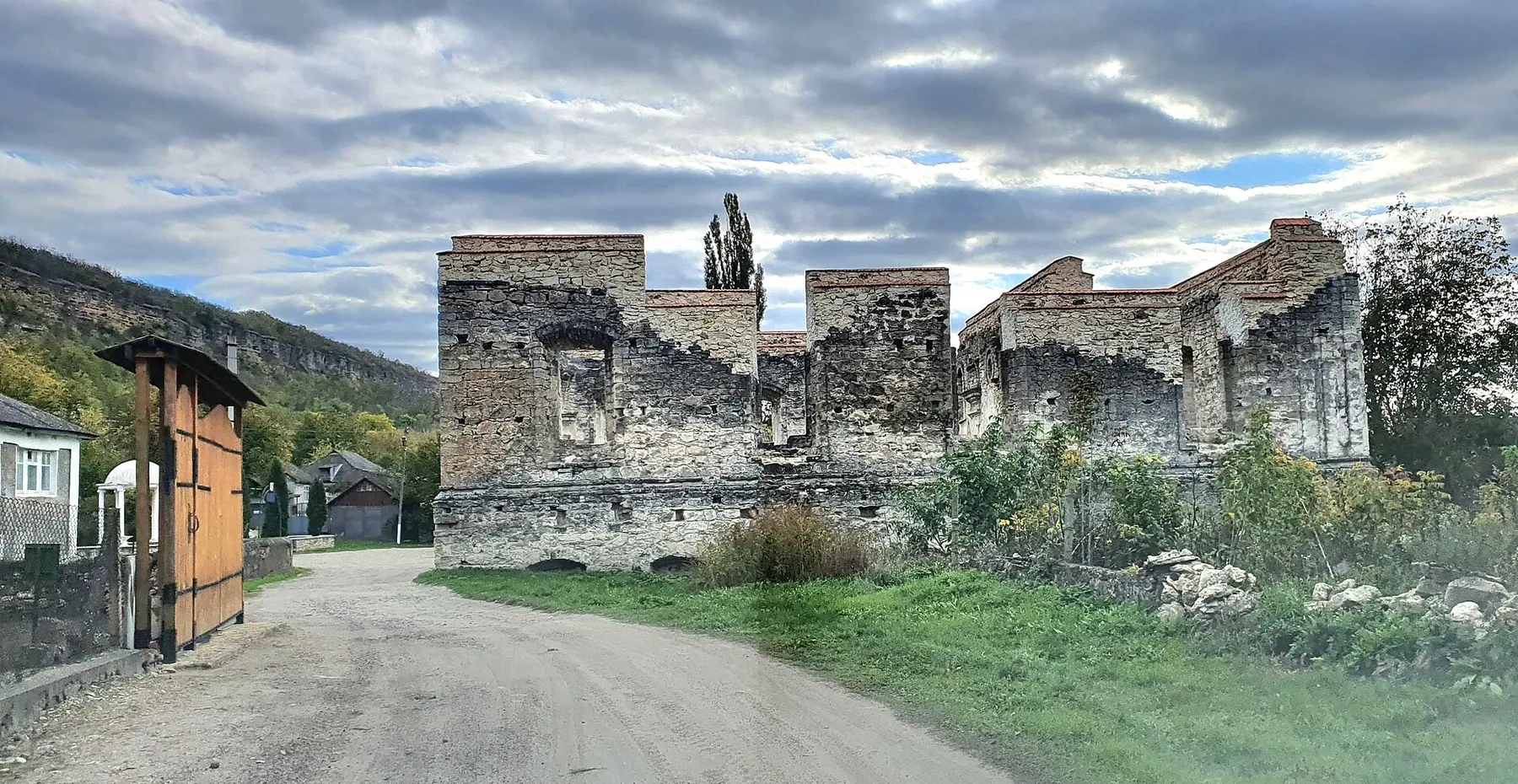
A roofless stone ruin with jagged walls beside a village road under a cloudy sky
20The ruin seen from the street, with the hills above the Dniester behind, 2022.Photograph by Nicolai_Chirnev, 2022-10-14, via Wikimedia Commons (https://commons.wikimedia.org/wiki/File:%D0%A0%D0%B0%D1%88%D0%BA%D0%BE%D0%B2_-_Sinagoga_din_Ra%C8%99cov_-_2025-09-25_22-38-45_001.jpg)
A rectangular stone ruin with tall arched windows, beside a road, with a person standing near it
21The massive stone walls of the synagogue seen from a corner, 2022.Photograph by Nicolai_Chirnev, 2022-10-14, via Wikimedia Commons (https://commons.wikimedia.org/wiki/File:%D0%A0%D0%B0%D1%88%D0%BA%D0%BE%D0%B2_-_Sinagoga_din_Ra%C8%99cov_-_2025-09-25_22-38-45_002.jpg)
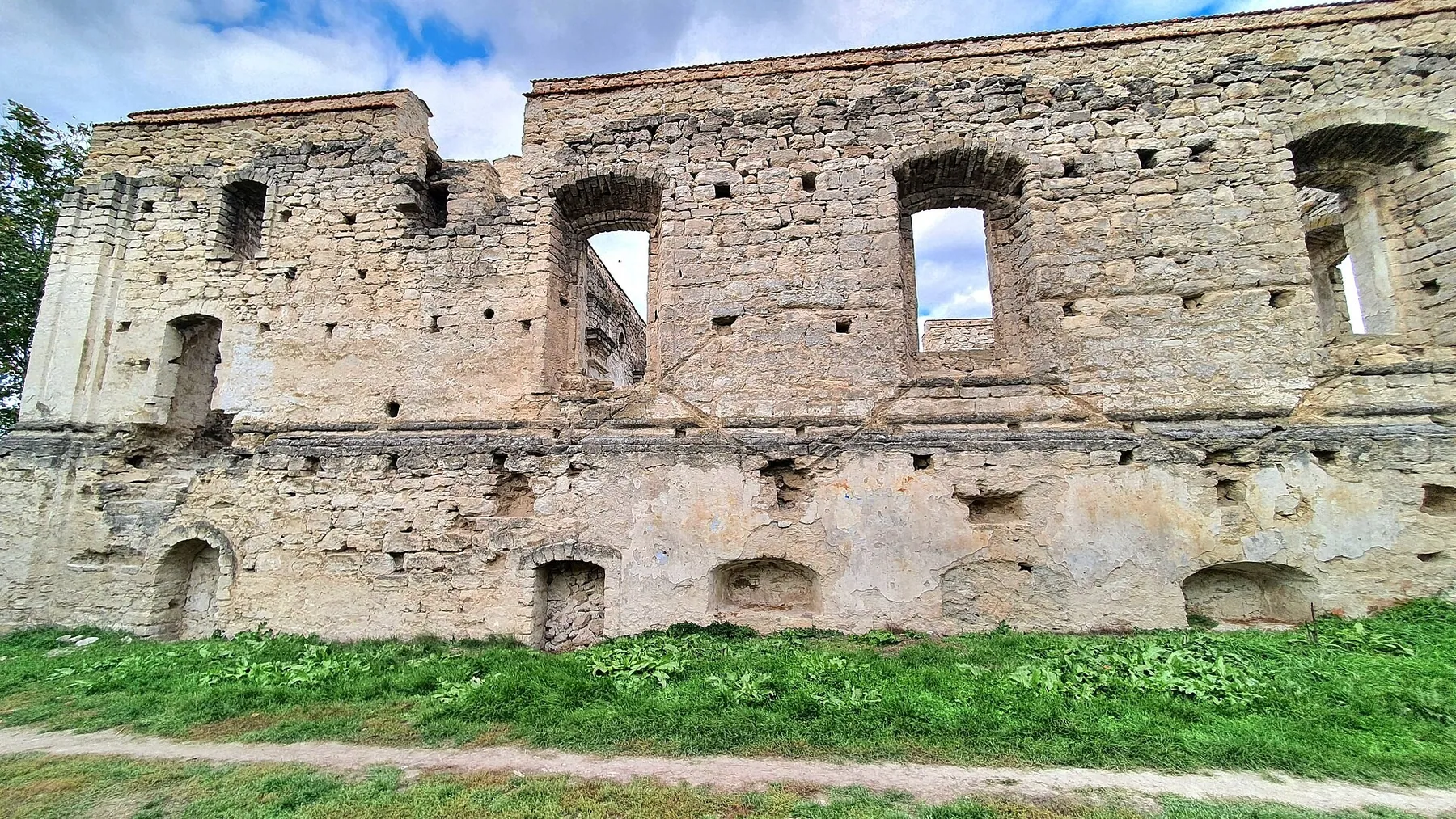
Long stone wall of a ruin with arched windows, an upper storey and grass in front
22The long side wall of the synagogue, 2022.Photograph by Nicolai_Chirnev, 2022-10-14, via Wikimedia Commons (https://commons.wikimedia.org/wiki/File:%D0%A0%D0%B0%D1%88%D0%BA%D0%BE%D0%B2_-_Sinagoga_din_Ra%C8%99cov_-_2025-09-25_22-38-45_009.jpg)
Stone building corner with a long wall receding into the distance and arched windows
23Corner view along the long wall, showing the thick masonry, 2022.Photograph by Nicolai_Chirnev, 2022-10-14, via Wikimedia Commons (https://commons.wikimedia.org/wiki/File:%D0%A0%D0%B0%D1%88%D0%BA%D0%BE%D0%B2_-_Sinagoga_din_Ra%C8%99cov_-_2025-09-25_22-38-45_010.jpg)
Rough stone wall top with gaps and an arched window opening against the sky
24Upper part of the broken walls with a window opening, 2022.Photograph by Nicolai_Chirnev, 2022-10-14, via Wikimedia Commons (https://commons.wikimedia.org/wiki/File:%D0%A0%D0%B0%D1%88%D0%BA%D0%BE%D0%B2_-_Sinagoga_din_Ra%C8%99cov_-_2025-09-25_22-38-45_008.jpg)
RESUMEN

La historia de Great Synagogue of Rașcov

The synagogue stands in the centre of Rașcov (Rashkov), a former market town on the left bank of the Dniester in the Camenca district, now in the breakaway Transnistrian region of Moldova. It was built in 1749, financed by the korobka, the community's 'box collection' tax, at a time when the town belonged to the Polish-Lithuanian Commonwealth and its Lubomirski owners were also planning a stone Catholic church. Built of stone in the Baroque manner with Rococo ornament, it had a men's prayer hall and, over a western vestibule, a two-storey women's section. The rabbi Yaakov Yosef of Polonne, a leading disciple of the Baal Shem Tov, served in Rashkov around the time it opened, and the town became an important centre of early Hasidism. A town fire in 1847 badly damaged the building. Around 1929 to the early 1930s, during the Soviet anti-religious campaign, the authorities destroyed its vaults and it ceased to function; the local Hasidic court moved across the river to Vadul-Rașcov in Romanian Bessarabia. In 1941 Romanian forces occupied the town and murdered much of its Jewish population. The roofless shell, with its carved stone decor and the ark wall, was described in a United States heritage survey as the most impressive Jewish building in Moldova, and was conserved with European Union support in 2022.

UBICACIÓN

Where it stood for nearly 190 years

Bazarnaya Street (Базарная улица), Rașcov (Rashkov), Camenca district, Transnistria (left bank of the Dniester), Moldova

Abrir mapa ampliado →

La comunidad judía

Rashkov is counted among the oldest Jewish settlements in Moldova, and by the mid-seventeenth century Jews lived there alongside Ukrainians, Poles and Armenians. The town was a busy river port and market on the Dniester, and much of its trade was in Jewish hands. In the eighteenth century it was a cradle of Hasidism: Rabbi Shabtai of Rashkov, a disciple of the Baal Shem Tov, founded a rabbinic dynasty that lasted until the Second World War, and Yaakov Yosef of Polonne served as rabbi in the town. In 1901 about 1,500 Jews lived there; by 1914 the figure was over 2,000, with four synagogues, around 50 shops, a pharmacy, a tannery and a mill. Before the Second World War Jews made up about half of the town's population.

Arquitectura y diseño

The Great Synagogue is a massive stone building in the Baroque style, with elements described as Romanesque and Gothic and decoration in the Rococo manner. Local sources stress its very wide foundations and walls around two metres thick, and say each façade was treated differently. The plan followed the eighteenth-century East European type: a large men's prayer hall, and at the west end a two-storey block whose upper floor held the women's gallery, which looked into the hall through small openings and had a decorative fireplace. A hidden stair led to the roof. The east wall carries a tall carved Torah ark framed by twisted columns and crowned by a tablet and oculus, flanked by two great arched windows and painted cartouches, above a frieze of small arched niches. The hall was originally vaulted; the vaults were destroyed in the Soviet period.

La vida dentro de la sinagoga

For almost two centuries the synagogue was the spiritual centre of Rashkov's large Jewish community. Its first rabbi, according to the Jewish community of Moldova, was Yaakov Yosef ha-Kohen of Polonne, a close disciple of the Baal Shem Tov, who served in Rashkov from about 1748 to 1752 after his expulsion from Shargorod, and whose Toldot Yaakov Yosef of 1780 was the first Hasidic book to be printed. The town was home to the Rashkov Hasidic dynasty founded by Rabbi Shabtai, whose prayer book is still used. By 1914 the Great Synagogue was one of four synagogues in the town, serving a community of traders, artisans and shopkeepers. The women's gallery and a fireplace show that it was used year-round, and the building remained in use until the Soviet anti-religious campaign of the late 1920s and early 1930s.

Destrucción

After the Russian Civil War Rashkov remained on the Soviet side of the Dniester, and from 1924 it lay in the Moldavian Autonomous Soviet Socialist Republic. During the Soviet anti-religious campaign the Soviet authorities closed the synagogue and destroyed its vaults; a local museum director quoted by LIK TV dates this to 1929, while the Jewish community of Moldova and the Russian Wikipedia place it in the early 1930s. With its roof gone, the building was left as a ruin, and the Hasidic religious centre of the town moved across the river to Vadul-Rașcov in Romanian Bessarabia. The other two former synagogues were later turned into the mayor's office and a warehouse, but the Great Synagogue was never reused. Over the following decades the unroofed walls decayed further, though much of the carved stone decoration and the ark wall survived. Russian Wikipedia reports that part of the ark wall was later dismantled for reuse in Chișinău.

El destino de la comunidad

Romanian forces occupied Rashkov in July 1941, and the town became part of the Romanian-administered Transnistria Governorate. According to testimony gathered by Yahad-In Unum, Romanian soldiers shot several Jewish residents on 24 July 1941, and from August 1941 Jews were marched in columns into the Dniester and drowned, with Romanian soldiers on both sides; one witness put the number drowned at about 1,000. Other Jews were deported to camps. A memorial erected in 2017 lists 126 recovered names, though the true toll was higher. By the early 2000s, when the Joint Distribution Committee surveyed the town, only one Jewish resident remained, the historian and former school director Mikhail Aranchuk.

El lugar hoy

The roofless ruin stands on Bazarnaya Street in the centre of Rașcov, near the Panska Krynytsia spring and close to the Catholic church of St Cajetan. Its outer walls rise to full height and preserve carved stone decoration, painted plaster and the Torah ark wall. In 2022 the ruin was conserved with European Union funding through the UNDP Confidence Building Measures Programme, using minimal intervention and diamond-drilled reinforcement. The site is listed as a historic monument and is visited by tourists and Jewish heritage groups; a Holocaust memorial erected in 2017 stands elsewhere in the village.

PERSONAS

Nombres destacados

Yaakov Yosef of Polonne

1710–1784Rabbi of Rashkov, c. 1748–1752

Yaakov Yosef ha-Kohen of Polonne, a leading disciple of the Baal Shem Tov, settled in Rashkov after being expelled from the rabbinate of Shargorod in 1748. The Jewish community of Moldova names him the first rabbi of the Great Synagogue, serving from about 1748 to 1752. His Toldot Yaakov Yosef (1780) was the first Hasidic book ever printed.

Biografía o fuente →
Ayude a mantener viva su memoria

¿Tiene algo que aportar?

Fotografías, documentos, historias familiares o recuerdos de esta sinagoga y su comunidad ayudan a mantener viva su historia.

Compartir lo que tiene
FUENTES Y LECTURAS
COMMENTS

Share a memory or thought

No comments yet. Be the first to add one.

Please keep it kind and respectful. No links.