
Die Geschichte von Great Synagogue, Rijeka (Fiume)
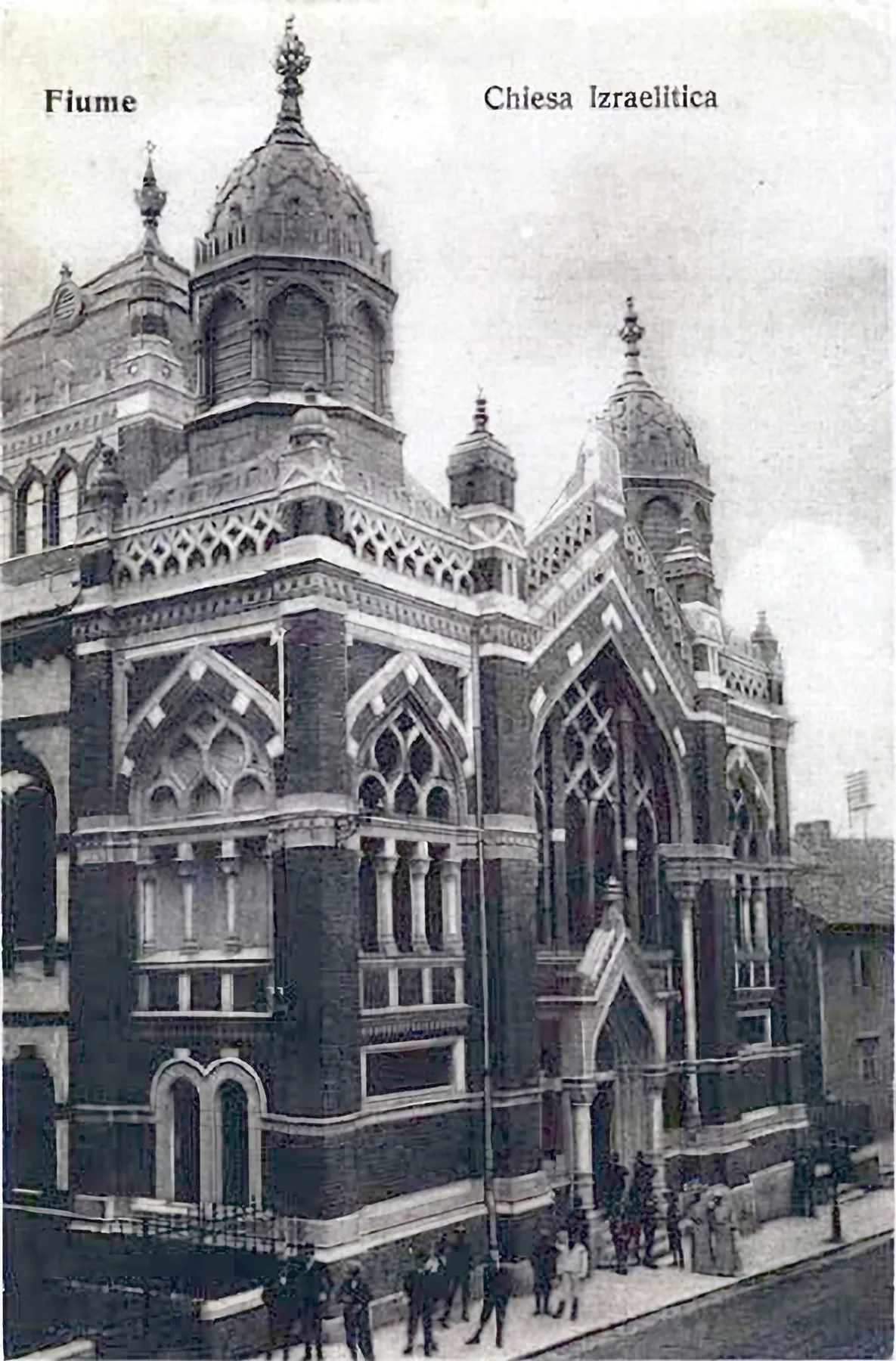
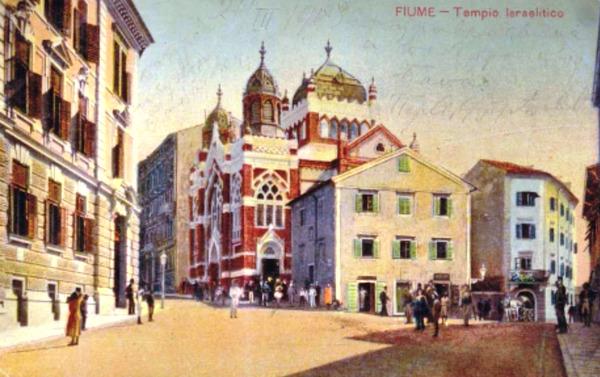
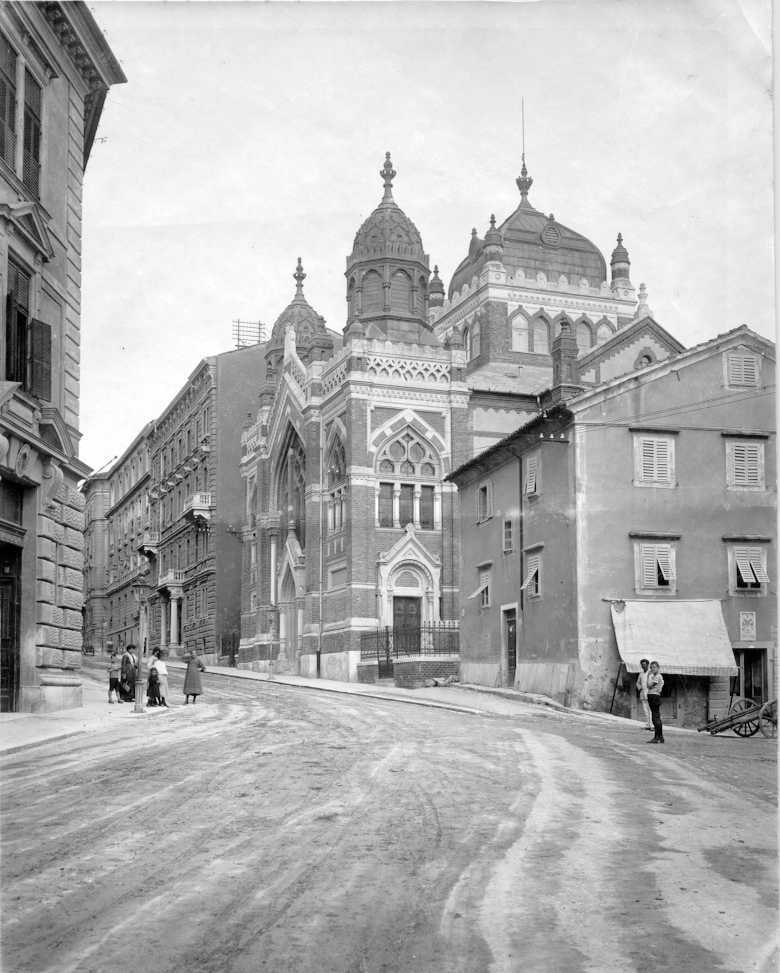
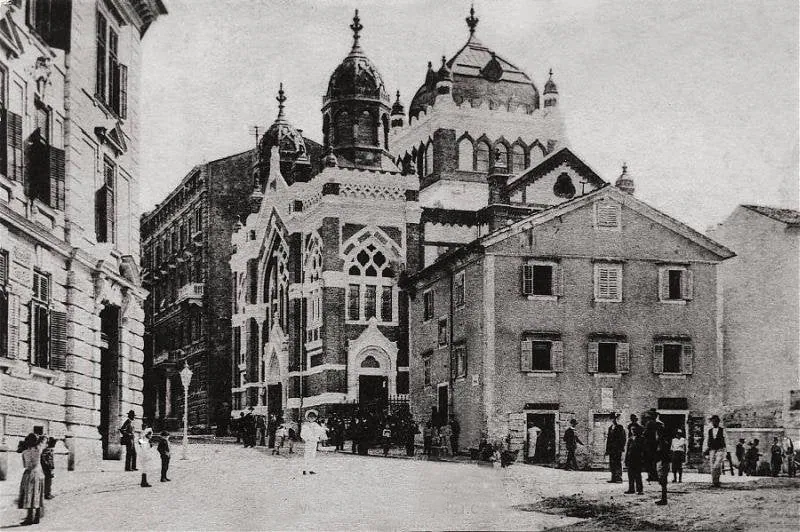
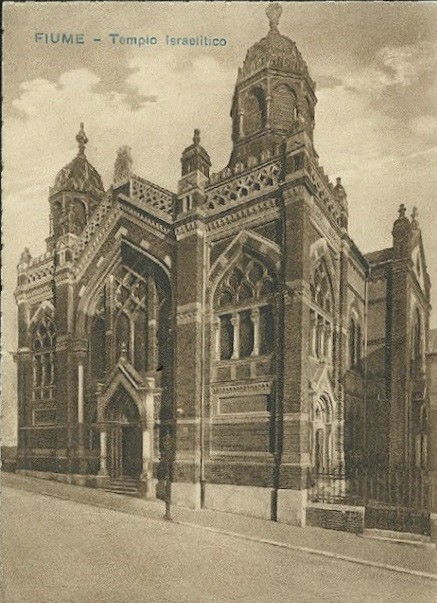
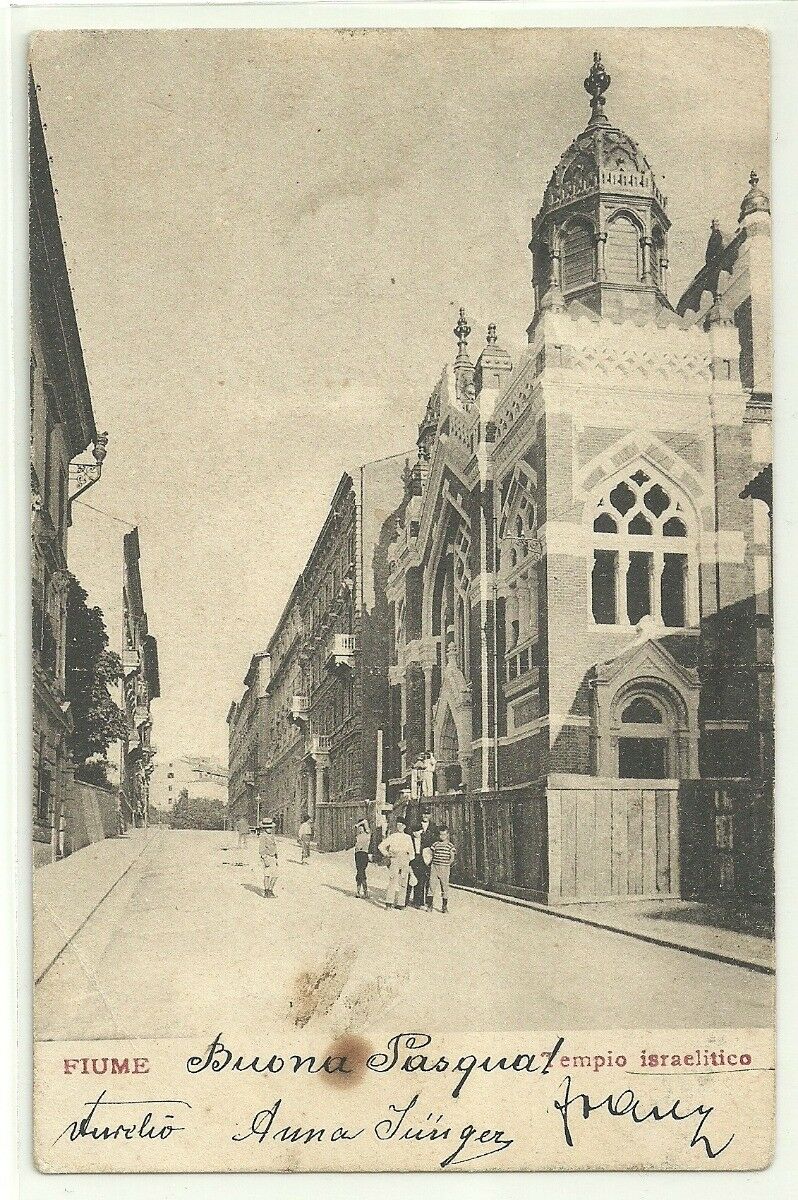
The synagogue stood at Via del Pomerio 31 in Fiume, the Adriatic port that belonged to Hungary when it was built, to Italy from 1924 and to Yugoslavia, now Croatia, after 1945. The Jewish community raised the money by voluntary contributions, and construction began in 1902 to designs by Lipót Baumhorn, the most prolific synagogue architect of Hungary. Completed on 18 September 1903, it was opened on Rosh Hashanah, 22 October 1903. Its square, tower-like mass had a large cupola over the sanctuary and two smaller cupolas over the entrance front; the façades were of red brick with white horizontal bands, small relief ornaments and large pointed three-light windows. Baumhorn combined Romanesque, Gothic and Moorish motifs with Hungarian vernacular elements, and the interior was decorated in a Mudéjar style. The synagogue served the city's Neolog congregation for four decades, through the city's transfer to Italy and the anti-Jewish racial laws of 1938. After Italy's armistice in September 1943 German forces occupied Fiume. On 25 January 1944 the Germans destroyed the synagogue: some sources say it was set on fire, while another says it was mined and largely blown up. After the war the cost of restoration was judged too high, the remains were sold as building material, and the rubble was cleared in 1948. Today an inscription marks the empty site.
Where it stood for 41 years
Historic: Via del Pomerio 31, Fiume. Today: Rijeka; exact modern street address of the site not established.
Größere Karte öffnen →Die jüdische Gemeinde
A Jewish community was established in Fiume on 26 September 1781. Under Hungarian rule in the nineteenth century the port grew rapidly, and Jews from Hungary, Croatia and the Habsburg lands settled there as merchants, shipping agents and professionals. By 1901 the community had about 2,600 members, and it commissioned a large new synagogue from Lipót Baumhorn. The Neolog majority worshipped in the Great Synagogue, while an Orthodox congregation built its own modernist synagogue in 1930. After Fiume was annexed by Italy in 1924, the community lived under Italian rule, and from 1938 under Fascist Italy's racial laws.
Architektur und Gestaltung
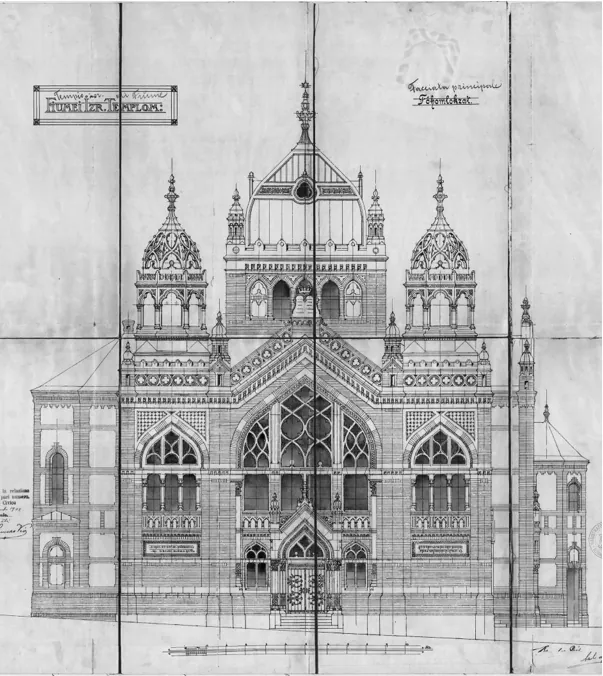
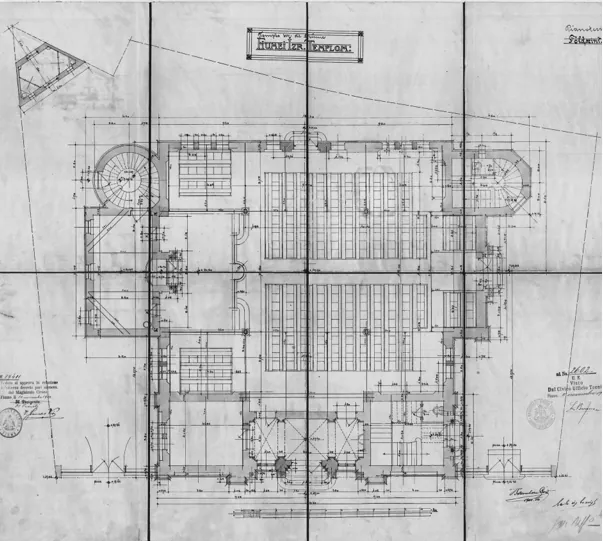
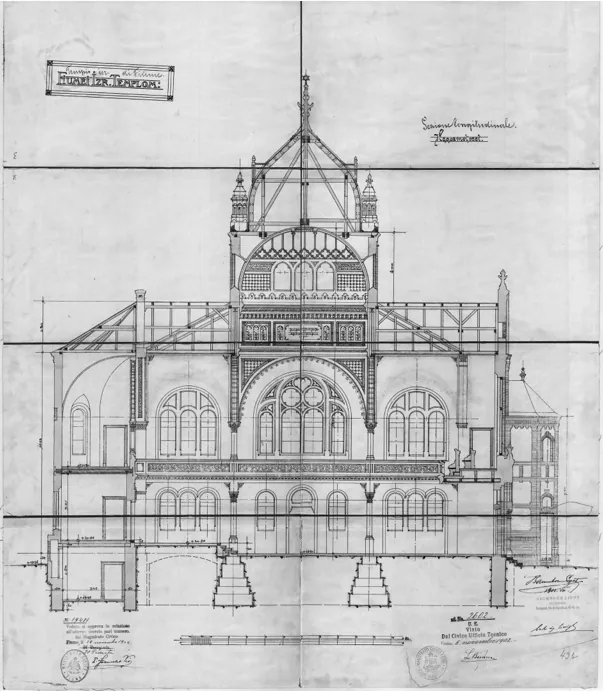
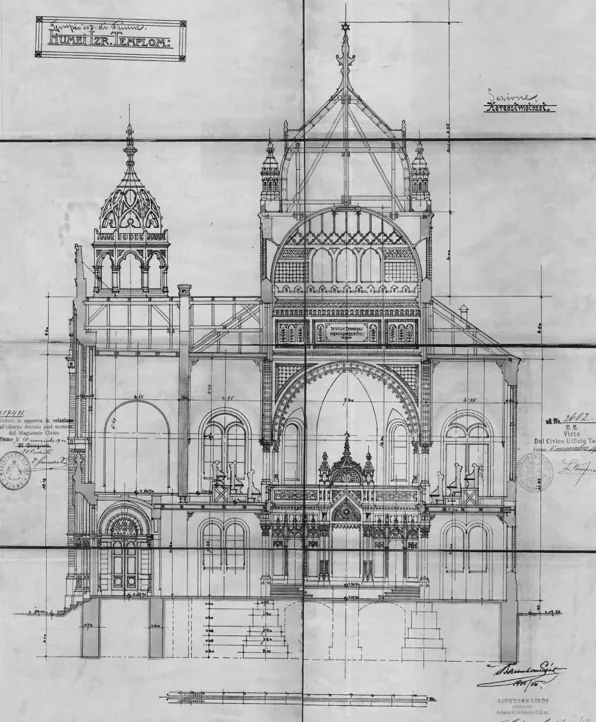
Lipót Baumhorn designed the synagogue as a square, tower-like building with a large cupola over the sanctuary and two smaller cupolas on the entrance front. The façades were of red brick, striped with white horizontal bands and enriched with small relief architectural ornaments, and pierced by large pointed three-light windows. Contemporary descriptions see a mixture of Romanesque, Gothic and Moorish elements together with Hungarian vernacular motifs, and the interior was decorated in a Mudéjar style. Baumhorn's 1902 drawings survive, including the ground plan, cross and longitudinal sections and elevations of the north, south and west fronts. The capacity is not recorded in the sources consulted.
Leben in der Synagoge
The Great Synagogue was the house of worship of Fiume's Neolog congregation from 1903 to 1944, serving a community of some 2,600 people at its foundation. It was opened with ceremony on Rosh Hashanah 1903. After its destruction, the surviving Orthodox synagogue of 1930 served both congregations of the small post-war community. The names of the synagogue's rabbis and cantors are not recorded in the sources consulted.
Zerstörung
Italy surrendered to the Allies in September 1943, and Nazi German forces occupied Fiume, which became part of the German Adriatic Littoral zone. On 25 January 1944 the Germans destroyed the Great Synagogue. Tullio Morgani and Irena Deže Starčević, cited by English Wikipedia, say it was set on fire; the historian C. J. Wilkinson writes that the Germans mined the building and destroyed most of it. The Rijeka Heritage register places the fire after the German retreat, which conflicts with the date, since German forces held the city until 1945. After the war the community could not afford restoration; the remains were sold as building material and the rubble was cleared by the Yugoslav authorities in 1948.
Das Schicksal der Gemeinde
Under Italian rule, Fascist Italy's racial laws of 1938 stripped Fiume's Jews of their civil rights. After the German occupation of September 1943, the Nazi authorities arrested and deported Jews from the city, and many were murdered in the camps; others survived in hiding or had left earlier. The numbers deported and murdered from Fiume are not recorded in the sources consulted. A small community re-formed after the war and worships today in the 1930 synagogue.
Der Ort heute
The site of the Great Synagogue is an empty lot with information panels describing the former building. The synagogue is entered in the Register of Cultural Goods of the Republic of Croatia. Rijeka's 1930 Orthodox synagogue on Ivana Filipovića Street, restored in 2006–2008, is the seat of the Jewish community today.
Bedeutende Namen
Lipót Baumhorn
1860–1932ArchitectLipót Baumhorn, the most prolific synagogue architect of Hungary, designed the Great Synagogue of Fiume in 1902. His original drawings of its plans, sections and elevations survive.
Biografie oder Quelle →Haben Sie etwas beizutragen?
Fotos, Dokumente, Familiengeschichten oder Erinnerungen an diese Synagoge und ihre Gemeinde halten ihre Geschichte lebendig.
Share a memory or thought
No comments yet. Be the first to add one.