
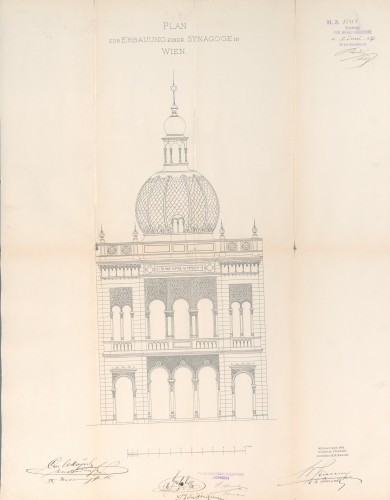
La historia de Polnische Schul (Leopoldsgasse Synagogue), Vienna
Jews from Poland and, later, from the crown land of Galicia settled in large numbers in Vienna's second district during the nineteenth century, bringing their own prayer rites, language and traditions. From 1854 they prayed in a house of prayer on the Obere Donaustraße, and in 1882 they founded the prayer-house association Beth Israel to give its members a worthy place of worship. In December 1888 the association's board decided to build a synagogue for about 750 people. In March 1892 its building committee bought plot no. 29 on the Leopoldsgasse, once the western edge of the seventeenth-century Jewish ghetto.
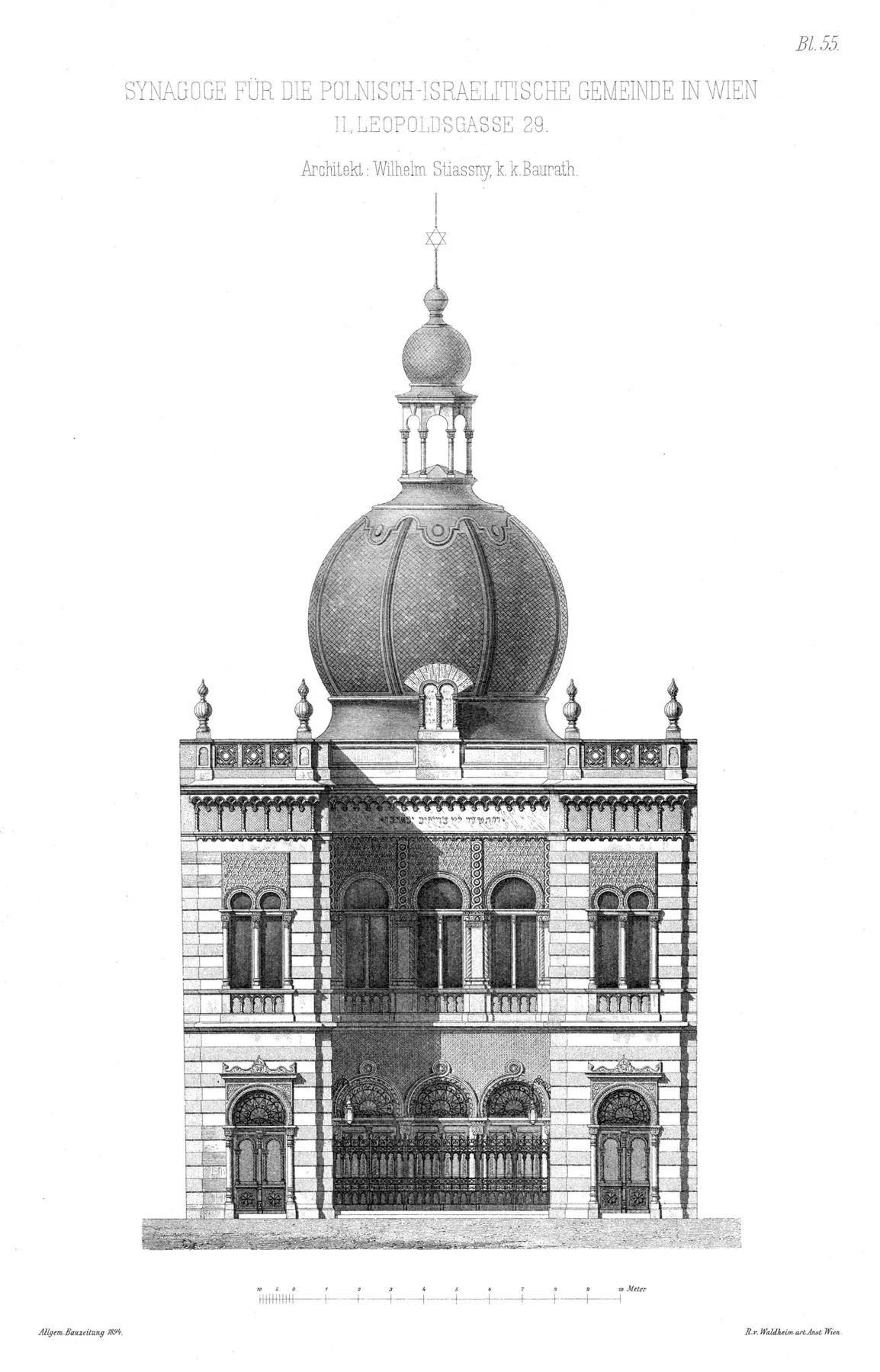
The money was raised slowly from members' collections and donations, a grant from the board of the Israelitische Kultusgemeinde, and a lottery for which Emperor Franz Joseph gave the first prize, a silver coffee service. The plans by Wilhelm Stiassny, who also served as honorary president of the building committee, were approved on 8 June 1892. The foundation stone was laid on 5 March 1893 and the synagogue was consecrated on 8 September 1893, at a cost of 75,766.93 gulden.
For 45 years the Polnische Schul was the prayer, cultural and Torah-study centre of Vienna's Orthodox Polish Jews. It was known for the cantorial music of Mayer Schorr, and had a Hebrew school attached. In 1926 it was altered and a library was added. On 14 October 1938, months after the Anschluss, its windows were smashed and Jews were beaten. On 10 November 1938 the Nazis set it on fire and it burned out completely. Demolition of the ruins had begun by February 1939, and in December 1939 the building police reported it gone. A block of flats has stood on the plot since the early 1960s.
Where it stood for 45 years
Historic: Leopoldsgasse 29, 1020 Vienna (Leopoldstadt). Present day: residential building, Leopoldsgasse 29, Vienna, Austria.
Abrir mapa ampliado →La comunidad judía
The Polnische Schul served the Orthodox Jews who had come to Vienna from Poland and Galicia and settled mainly in the Leopoldstadt. Its congregation was organised as the Israelitischer Bethausverein Beth Israel, founded in 1882 and from 1893 named the Israelitischer Synagogenverein Beth Israel nach polnisch-jüdischem Ritus in Wien, which existed to maintain the synagogue and hold services according to the traditional Polish rite. Before the new building the community prayed in a house of prayer at Obere Donaustraße 65 (today 79), which had become too small. Meir (Meier) Meirson served as the synagogue's rabbi from 1895 to 1938 and from 1899 to 1930 also headed the rabbinical court of the Vienna Jewish community. Its cantors included Mayer Schorr, from 1897, and Emanuel Fraenkel.
Arquitectura y diseño
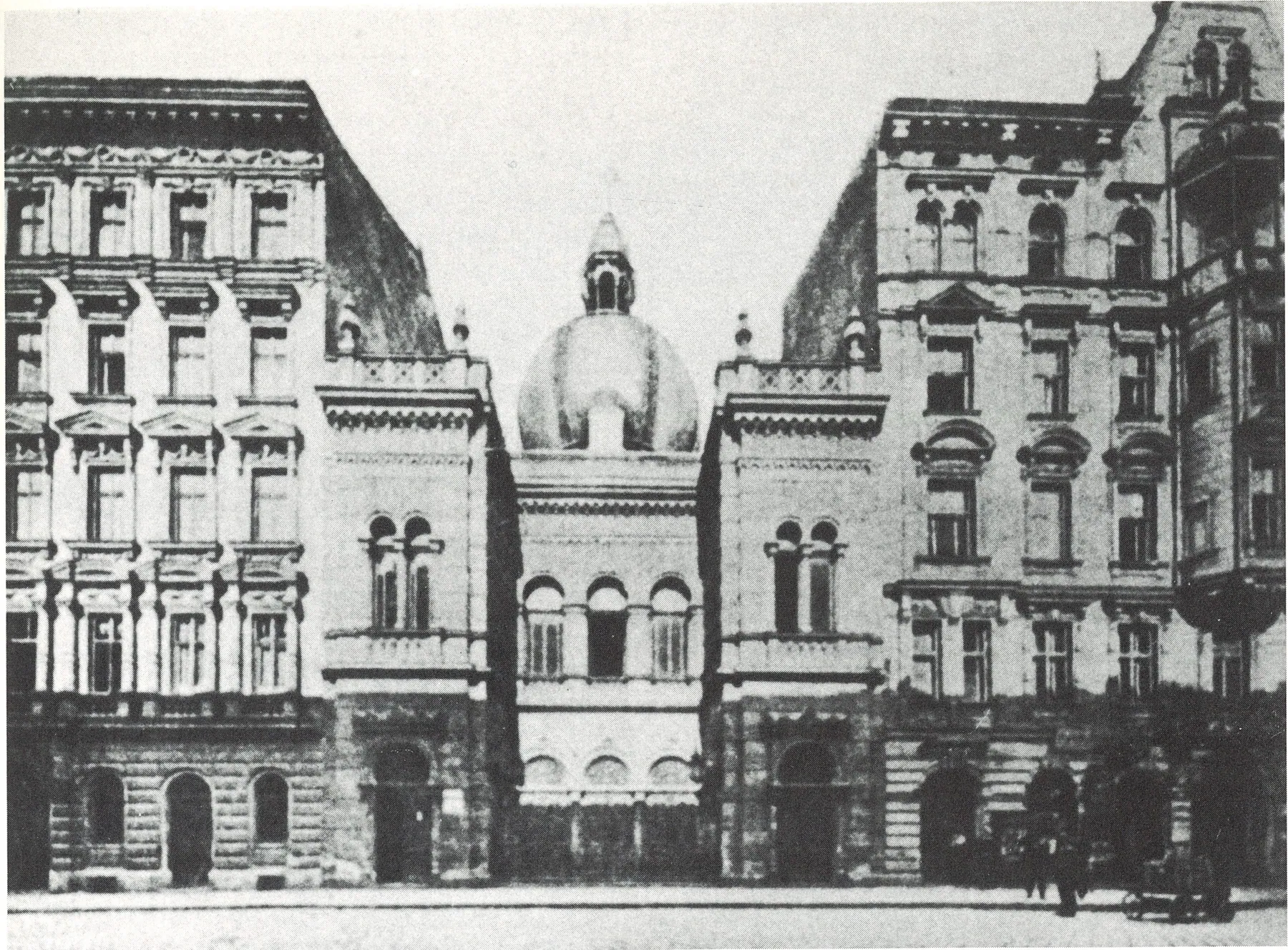
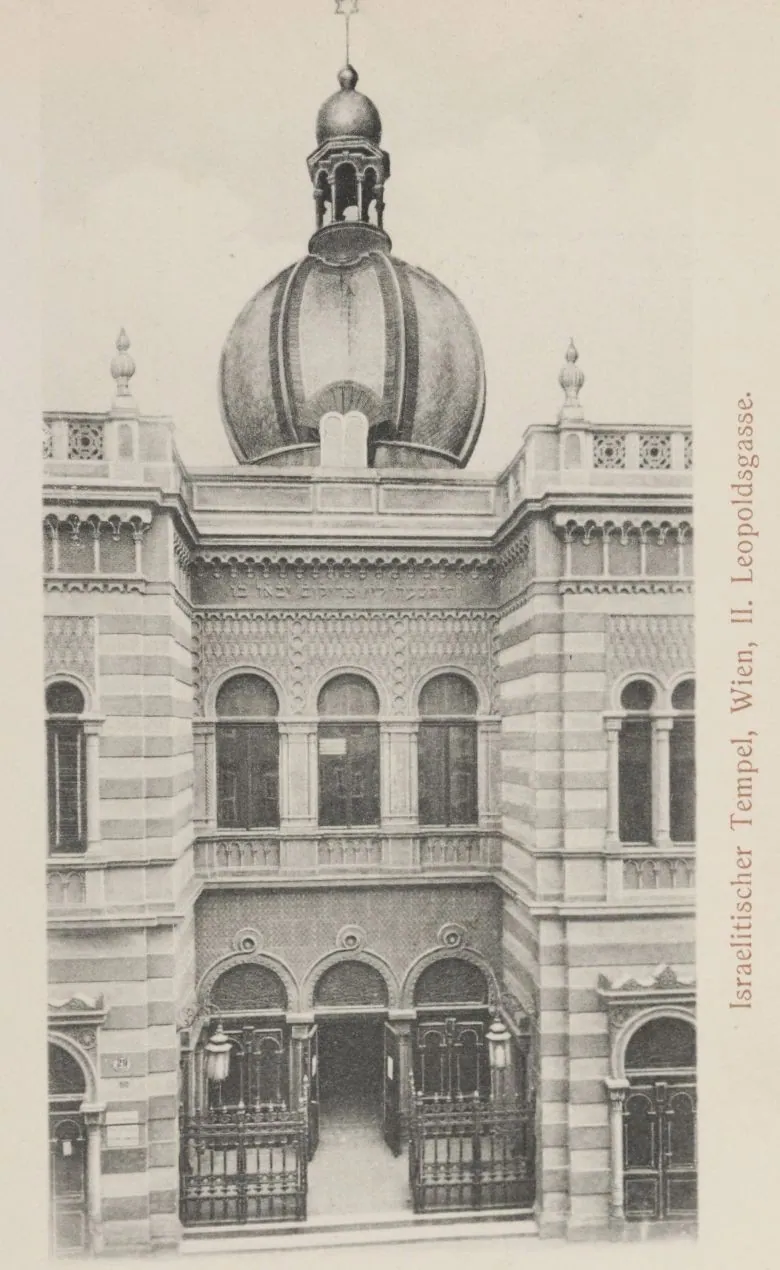
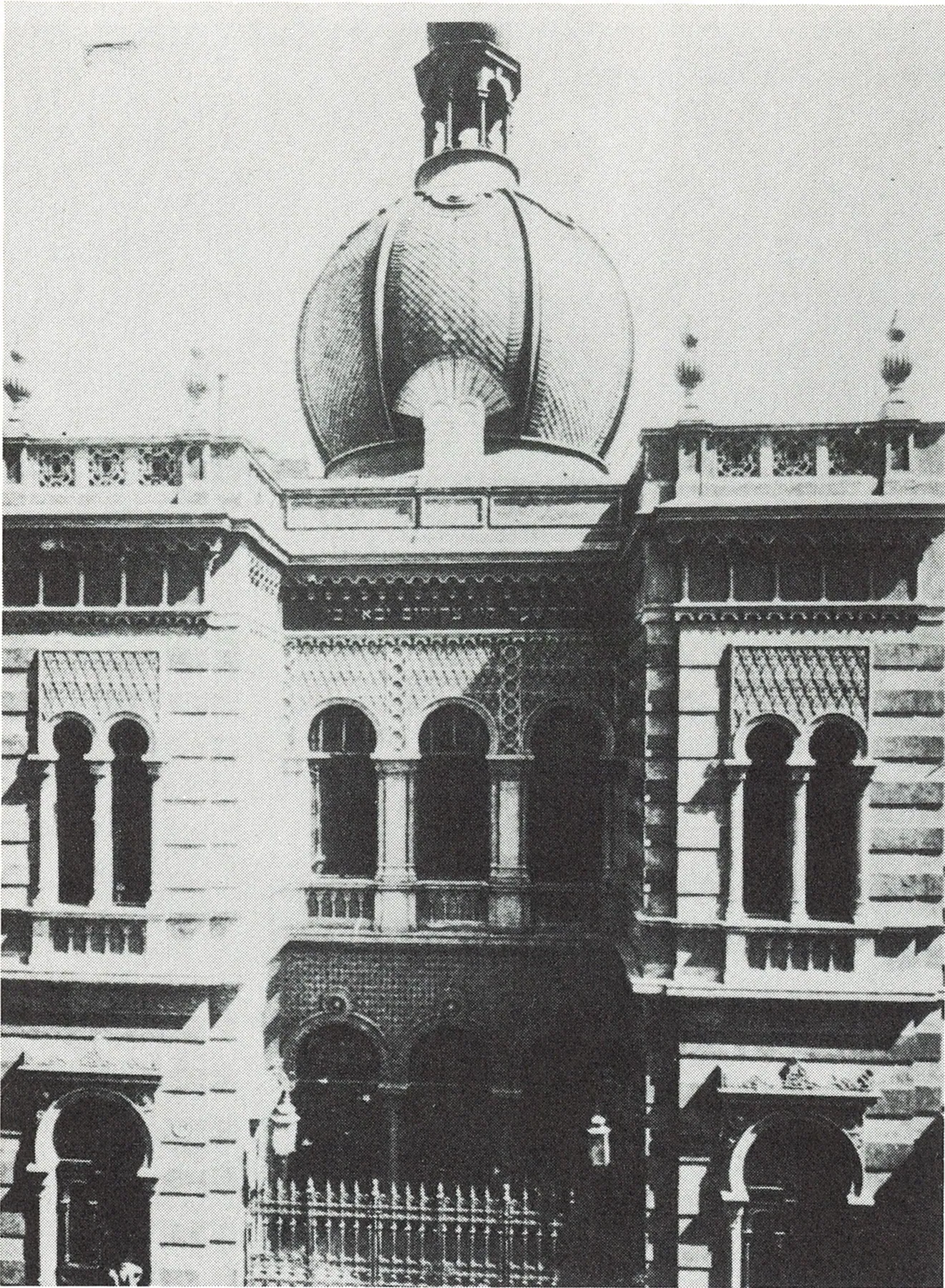
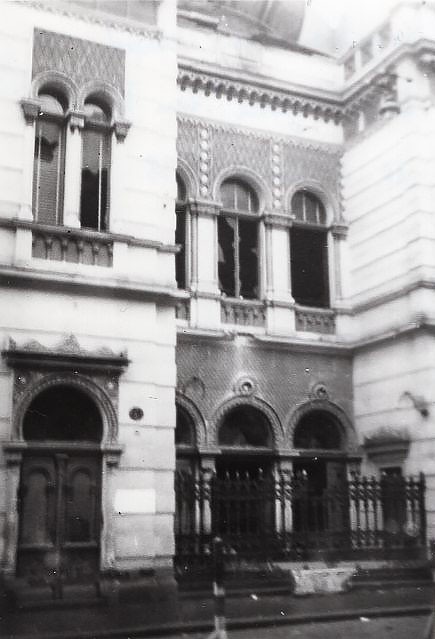
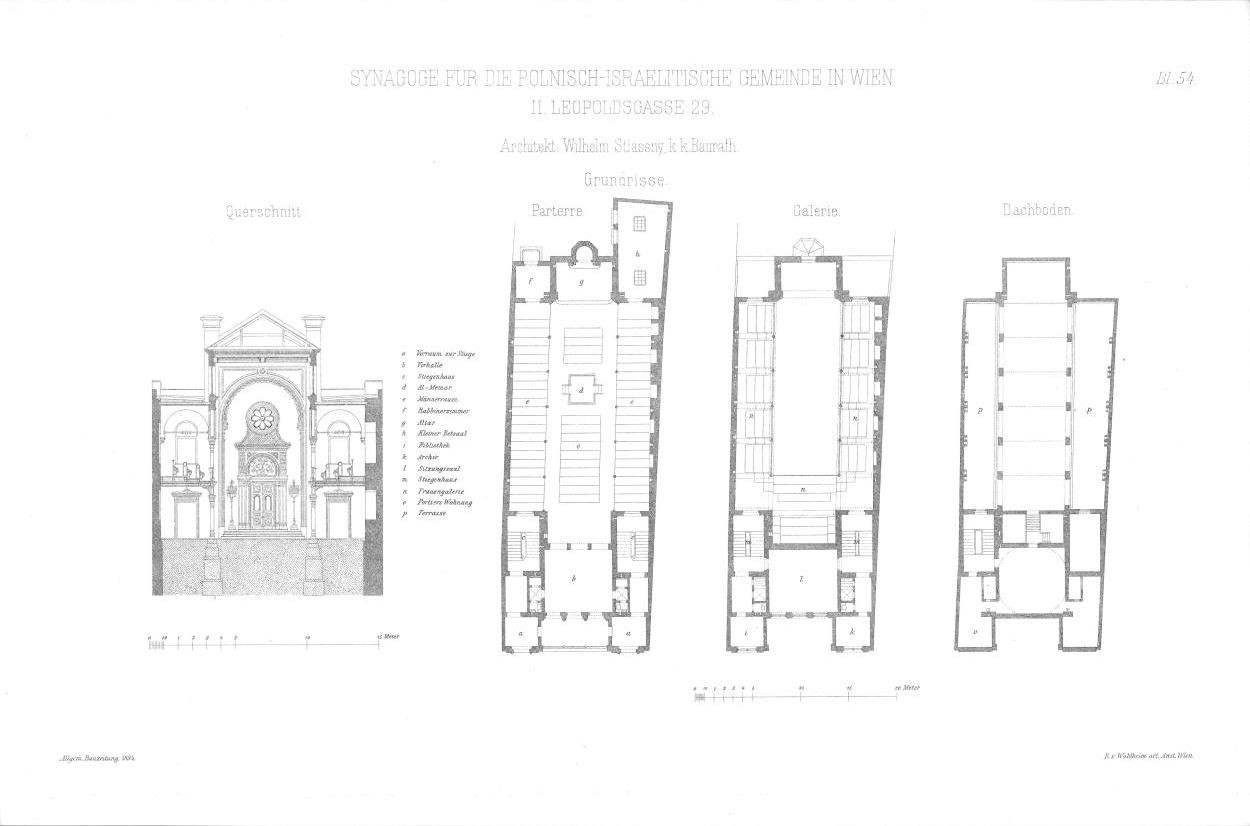
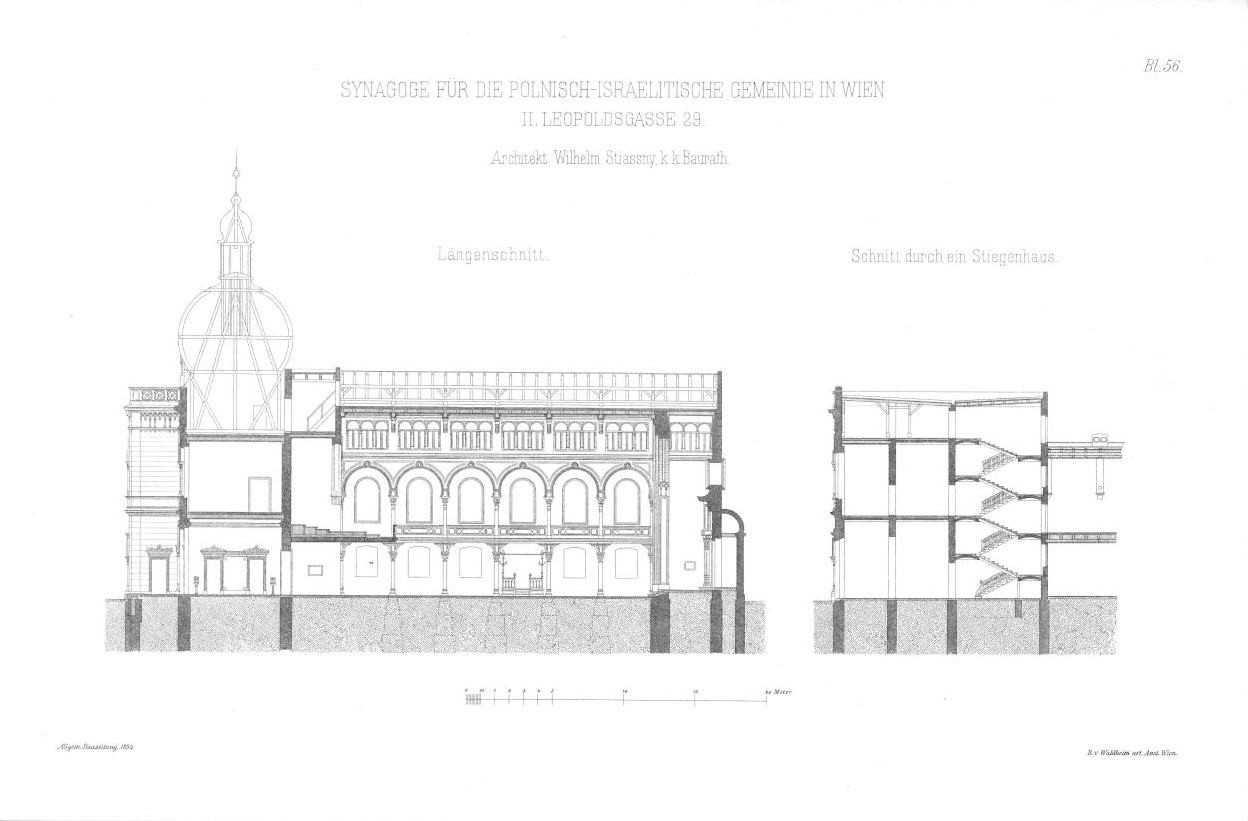
Wilhelm Stiassny, one of the busiest synagogue architects of the Habsburg empire, fitted the building onto a narrow plot between taller apartment houses. Two strongly projecting side wings flanked a recessed centre, and a small forecourt behind a wrought-iron railing set the building back from the street. Above the entrance block rose a slate-covered onion dome divided by gilded ribs and crowned with a small lantern. It was the building's most striking feature, although it had no function for the prayer hall behind it. The side wings were striped horizontally in yellow and red, the centre was covered with flat ornament, and the facade ended in a band of small columns and stalactite work with a Hebrew inscription, four small turrets and the Tablets of the Law.
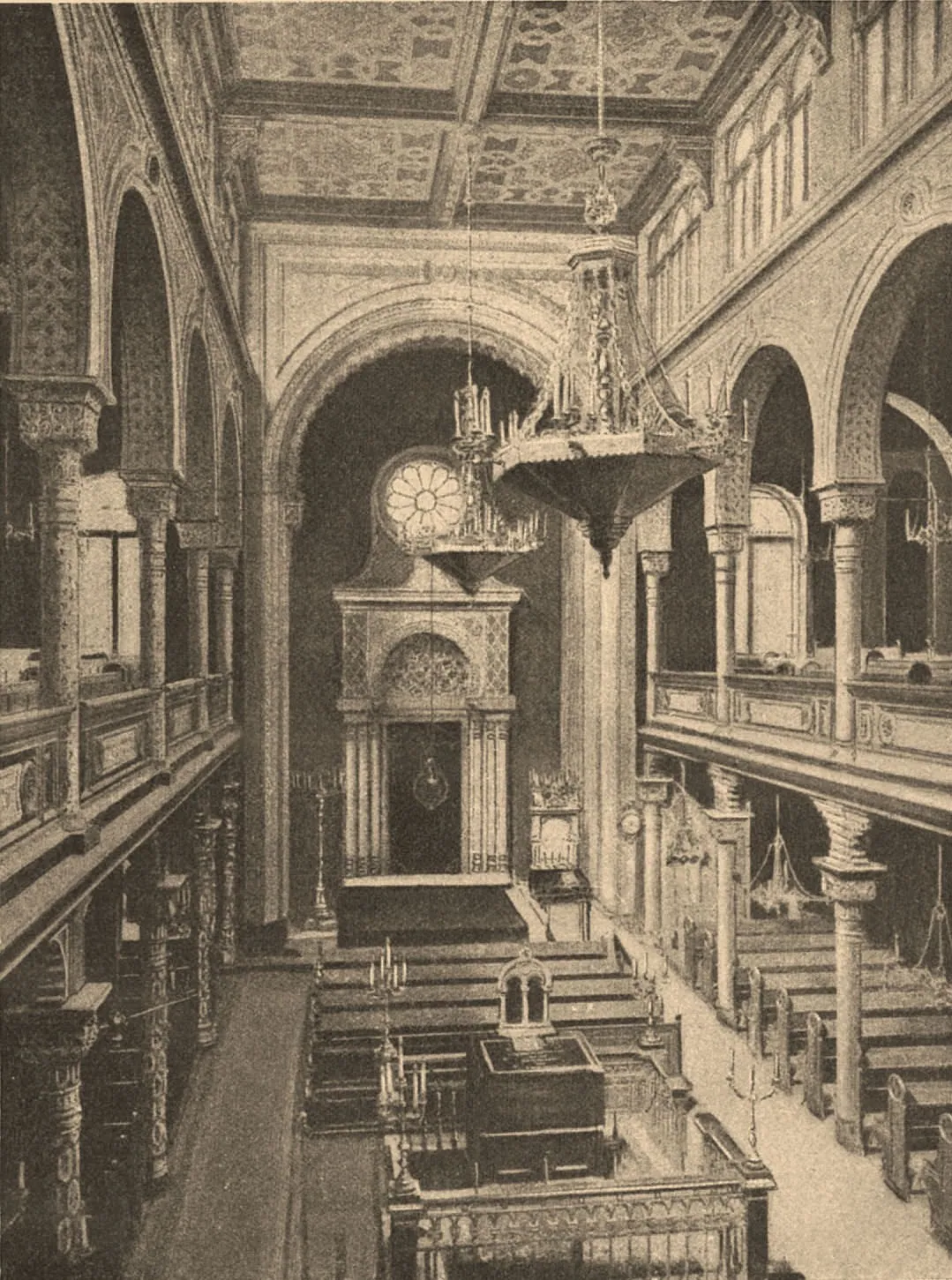
Inside was a three-aisled hall with galleries on three sides, seating 420 men below and 217 women above. As usual in East European Orthodox synagogues, the bimah stood raised on a platform in the middle of the hall, surrounded by a railing. The Torah ark stood in an apse in the east wall behind a richly decorated triumphal arch, with a rabbi's room and a small prayer room on either side. The Moorish style was unusual for an Orthodox Polish congregation. Pierre Genée suggested it was chosen to counter the poor reputation Galician Jews had among Vienna's established Jews.
La vida dentro de la sinagoga
The synagogue followed the Polish-Jewish rite and was famous for its cantorial music. Mayer Schorr, cantor from 1897, shaped a style that linked old East European traditions with a more modern form of service. A Hebrew school of the Beth Israel association was attached. After the 1926 alterations the building also held a library, and above the vestibule there was a meeting room for the association. As late as September 1938, language courses were held there to help Jews retrain and emigrate.
Destrucción
Violence against Vienna's synagogues began even before the November pogrom. On 14 October 1938 the windows of the Polnische Schul were smashed and Jews inside were beaten. During the November pogrom, on 10 November 1938, the Nazis set the synagogue on fire and it was completely destroyed. Three Torah scrolls survived because they had been locked in iron cabinets in the office. The association's papers and books were destroyed. The ruins stood into 1939: in February 1939 the Stillhaltekommissar reported that demolition had begun, and in December 1939 the building police told the ministry that the synagogue had been cleared away.
El destino de la comunidad
After the Anschluss in March 1938 a police unit seized money from the association's postal savings account. On 9 March 1939 the Stillhaltekommissar dissolved Beth Israel and transferred its assets, including the plot with the ruins, to the Israelitische Kultusgemeinde. On 13 July 1942 the Kultusgemeinde was forced to sell the plot to the Hollindia trading company, and paid a 4,500-Reichsmark 'Entjudungsabgabe' (a Nazi tax on transfers of Jewish property). Most of the Jews of the Leopoldstadt were driven out or deported and murdered. The plot was returned to the Kultusgemeinde in 1951 after restitution proceedings and sold to a private owner in 1952.
El lugar hoy
Nothing of the synagogue survives. A residential building was approved for the plot in 1961 and stands at Leopoldsgasse 29 today.
Nombres destacados
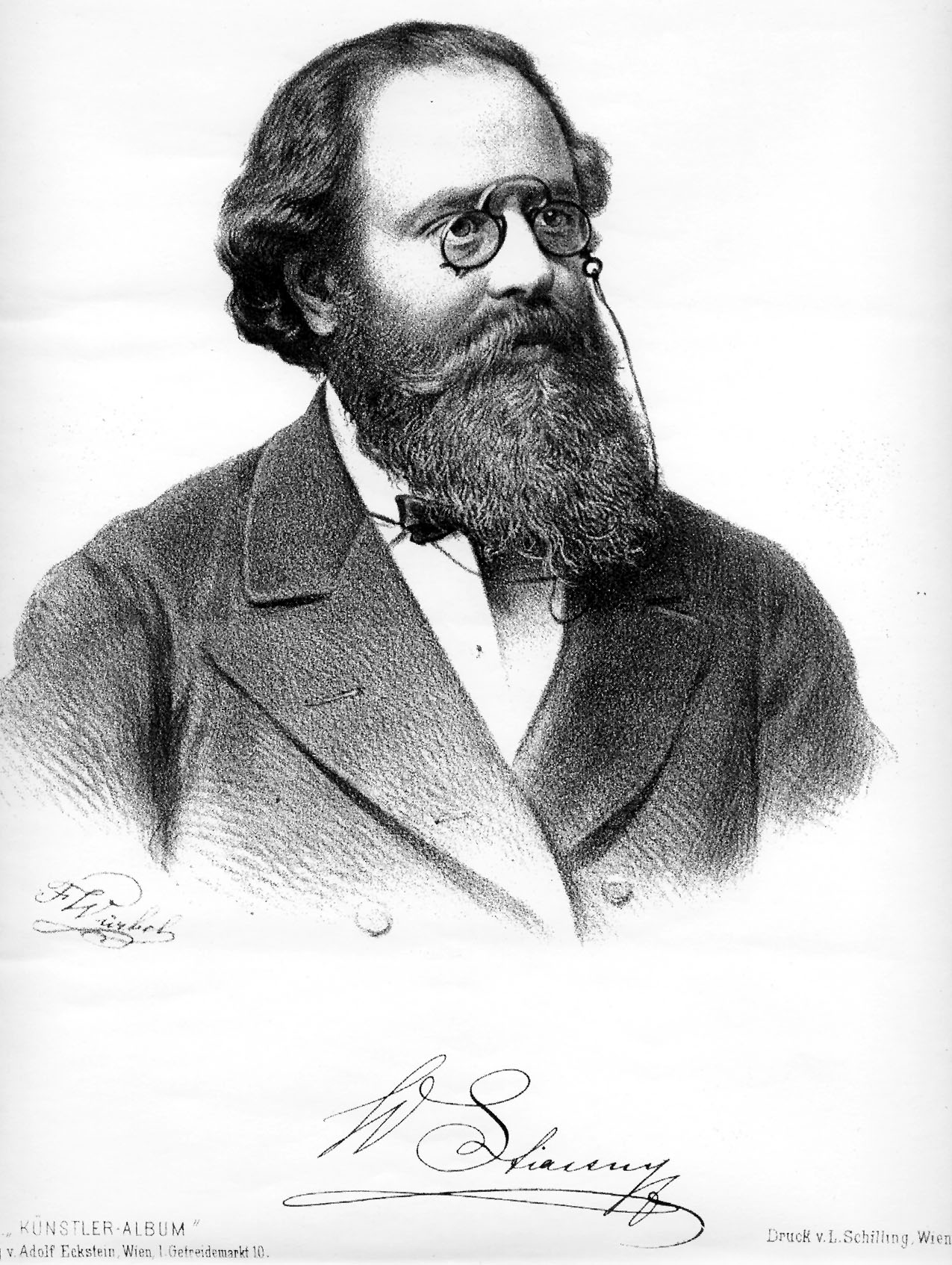
Wilhelm Stiassny
1842–1910ArchitectThe Viennese architect Wilhelm Stiassny designed the Polnische Schul and was honorary president of its building committee.
Biografía o fuente →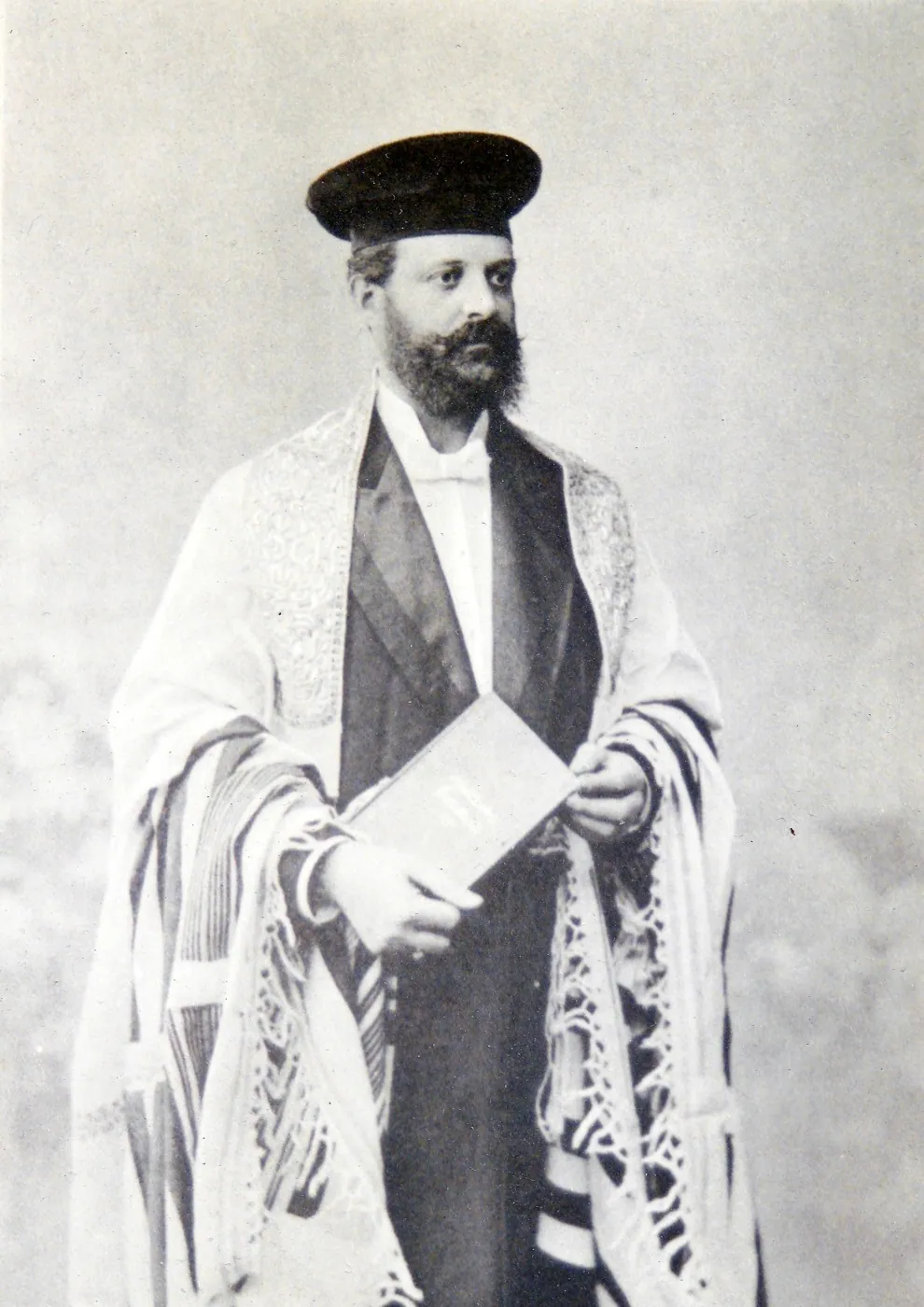
Mayer Schorr
1856–1913Cantor, from 1897Cantor at the Polnische Schul from 1897. His cantorial music, linking old East European traditions with a more modern service, made the synagogue famous.
Biografía o fuente →Meir (Meier) Meirson
Dates unknownRabbi, 1895–1938Rabbi of the Polnische Schul from 1895 until its destruction in 1938, and head of the rabbinical court of the Vienna Jewish community from 1899 to 1930.
Biografía o fuente →Emanuel Fraenkel
Dates unknownCantorOne of the cantors of the Polnische Schul.
Biografía o fuente →¿Tiene algo que aportar?
Fotografías, documentos, historias familiares o recuerdos de esta sinagoga y su comunidad ayudan a mantener viva su historia.
Share a memory or thought
No comments yet. Be the first to add one.